Mold Testing in Downtown Meridian Done Right

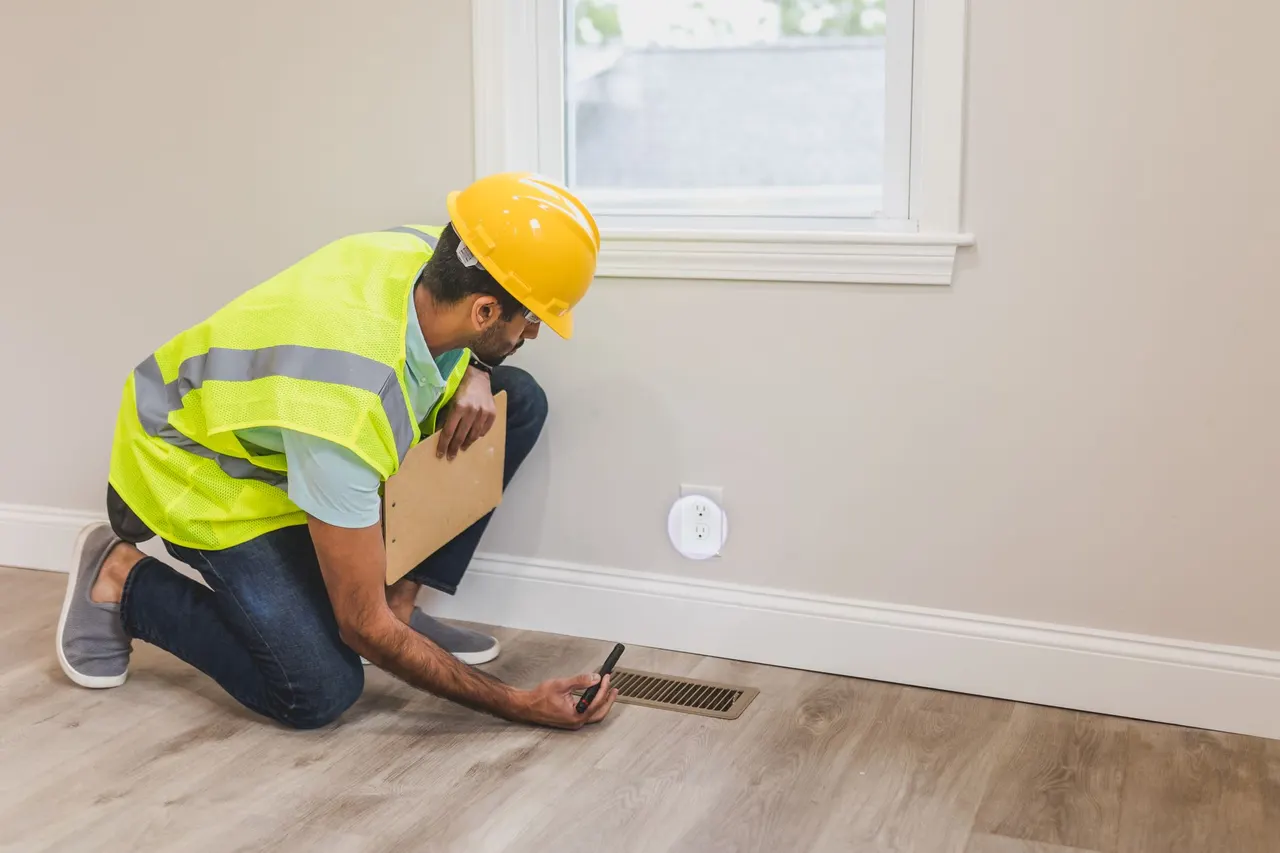
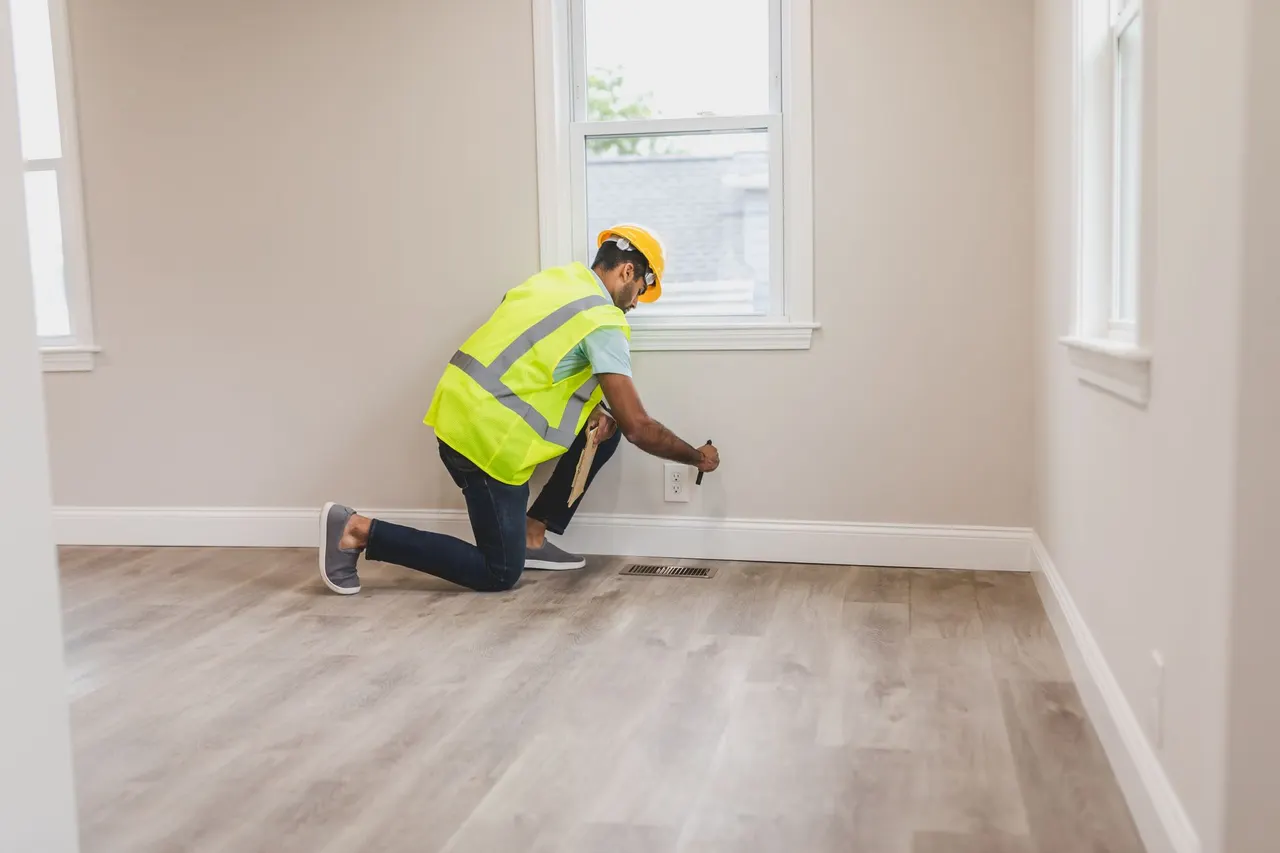
Mold Testing in Downtown Meridian starts with finding the moisture, not just the stain. We inspect Old Town bungalows, Civic Center offices, and Main Street storefronts with moisture meters, thermal imaging cameras, and air sampling pumps, then send samples to LabCor for lab-grade results. If you have smelled something musty in a 83642 basement or watched a ceiling stain grow after a roof leak, we can tell you what is growing and how far it has spread.

  • Address1130 S Rackham Way #300, Meridian, ID 83642, USA, Meridian, Idaho
  • Phone(208) 823 1178
Mold Testing in Downtown Meridian

Serving Downtown Meridian and nearby

  • Readings shown on siteYou see the numbers as we work
  • Samples logged same dayChain of custody forms included
  • Report written for homeownersPlain language, photos included
  • Lab results in 24-48 hoursWe call you when they arrive

Mold Testing in Downtown Meridian, Idaho

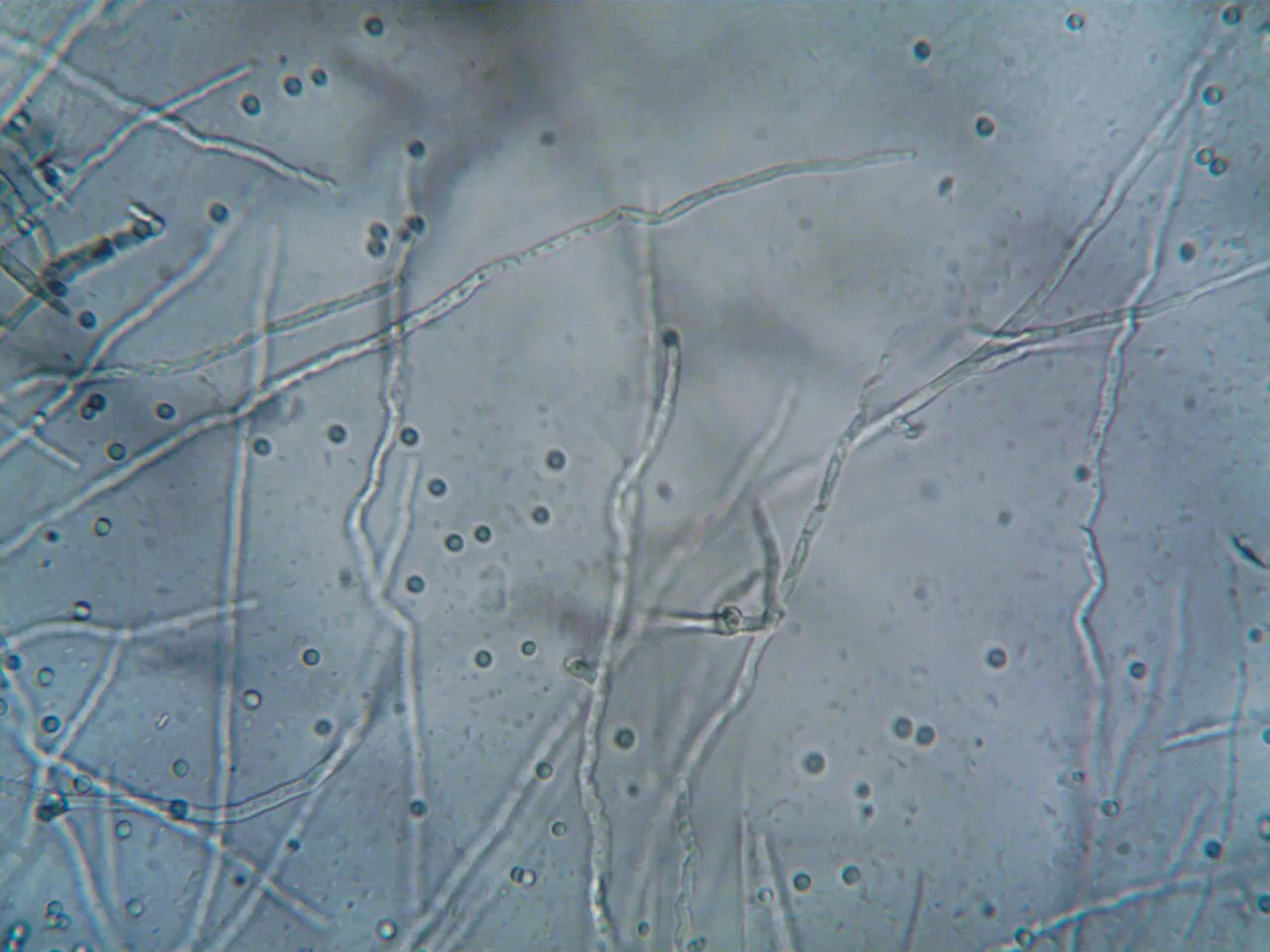
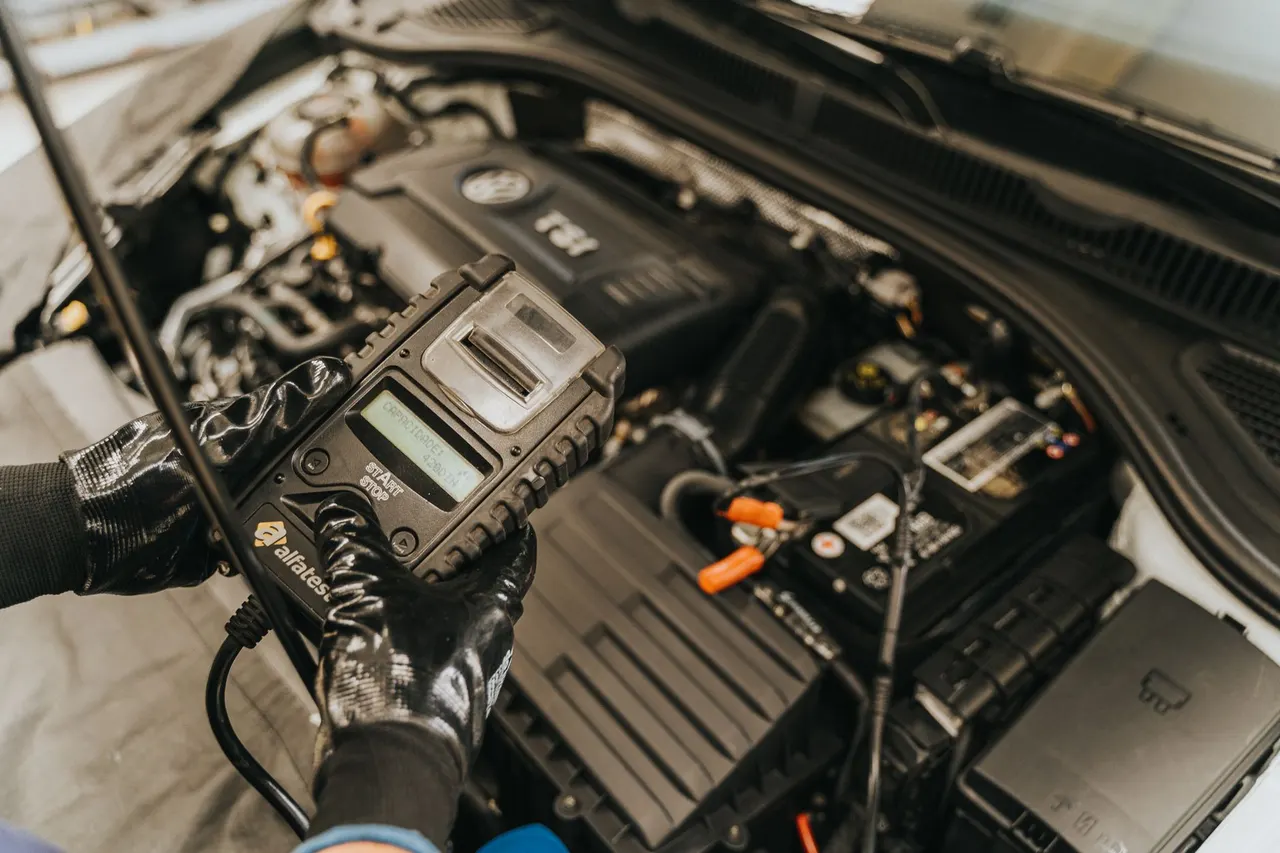
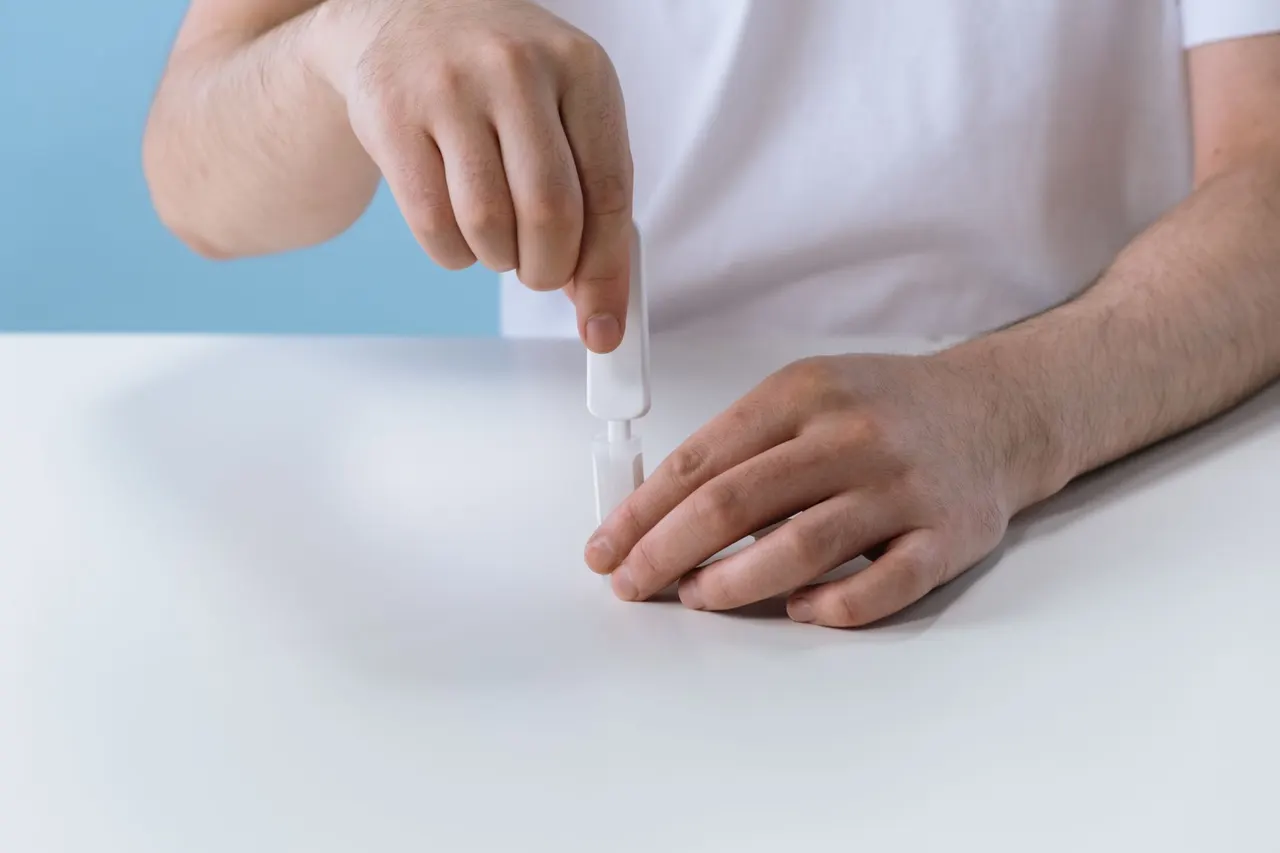
Mold Testing in Downtown Meridian is the process of locating moisture problems, collecting air and surface samples, and confirming what is growing inside a building before it spreads. We have worked Ada County since 2010, and Downtown Meridian is one of our busiest service areas because the building stock here is old enough to hide problems well. The Meridian Historic District and Old Town Meridian have homes built before modern vapor barriers were standard, and the Main Street Corridor mixes century-old storefronts with upstairs apartments where a slow roof leak can feed mold for months before anyone notices. We run moisture meters and thermal imaging cameras through wall cavities, crawl spaces, and attics, then pull air samples with Zefon Air-O-Cell cassettes and surface samples with tape lift kits. Every sample goes to an accredited lab with a chain of custody form, and you get a written report you can hand to a remediator, a landlord, or a buyer. If you are searching for mold testing near Downtown Meridian, we are usually on-site the same day you call.

Downtown Meridian has a specific set of mold problems that come from its age and layout. The high water table in parts of 83642 keeps crawl spaces damp year-round, and summer humidity spikes push indoor humidity past 60 percent in homes without proper ventilation. Historic buildings around the Meridian Train Depot and Civic Center often have roof leaks that go unnoticed until a ceiling stain shows up. We serve this area because the demand is real and the buildings need someone who understands how older construction traps moisture.

Mold Testing Services Available in Downtown Meridian

Downtown Meridian has a mix of historic homes, commercial buildings, and rental properties, and each one needs a different approach to mold testing. We offer affordable mold testing in Downtown Meridian ID for single-family homes, multi-unit buildings, and commercial spaces. Whether you are dealing with a musty odor in a 83646 bungalow or a moisture problem in a Main Street storefront, we have a service that fits.

How each service works in Downtown Meridian

Mold Inspection in Downtown Meridian

Mold Inspection in Downtown Meridian

We inspect older homes in Old Town and the Historic District for hidden moisture and mold. Using moisture meters, thermal imaging, and boroscopes, we check attics, crawl spaces, and wall cavities. You get a written report with photos and lab results.

  • Moisture mapping with meters
  • Thermal imaging of walls
  • Lab results in 2-3 days
For homes in Downtown Meridian

For homes in Downtown Meridian

We test single-family homes, duplexes, and apartments for mold and moisture. Older homes in Old Town and the Historic District often have hidden problems.

  • Historic bungalows
  • Basements and crawl spaces
  • Attics with roof leaks
  • Bathrooms and kitchens
For businesses in Downtown Meridian

For businesses in Downtown Meridian

We test offices, retail spaces, and restaurants for mold and air quality issues. Main Street and Civic Center buildings often have HVAC-related mold.

  • Main Street storefronts
  • Civic Center offices
  • Restaurants and cafes
  • Rental property units

Common Mold Testing Problems in Downtown Meridian

Downtown Meridian has a unique set of conditions that lead to mold problems. The high water table, older building stock, and summer humidity spikes create ideal environments for mold growth. Here are the most common issues we see.

  • Crawl space mold from high water table

    Crawl space mold from high water table

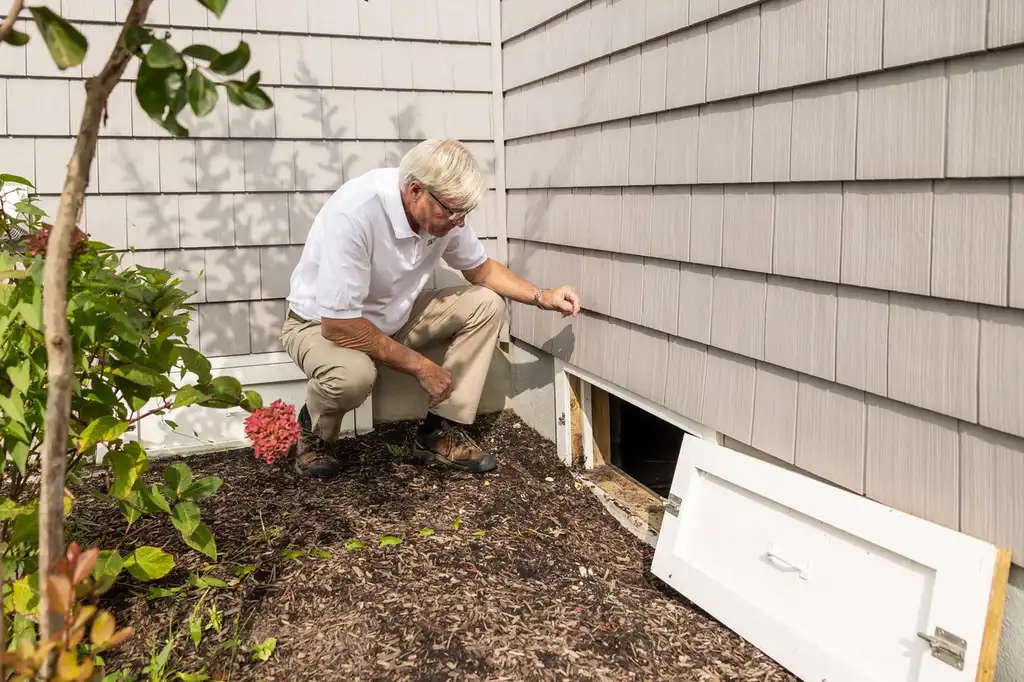
    Parts of Downtown Meridian, especially in 83642, have a high water table. Crawl spaces stay damp year-round, and without proper drainage or vapor barriers, mold grows on joists and insulation. We measure moisture with meters and hygrometers, then collect air and surface samples. We recommend drainage fixes and vapor barriers, and we test before and after remediation.

  • Attic mold from roof leaks

    Attic mold from roof leaks

    Historic buildings in the Meridian Historic District often have old roofs that leak slowly. Water travels down rafters and insulation, creating hidden mold that is not visible from the living space. We use thermal imaging and boroscopes to trace leaks, then collect samples from affected areas. Our reports help homeowners and remediators fix the source and remove the mold.

  • Basement mold from poor drainage

    Basement mold from poor drainage

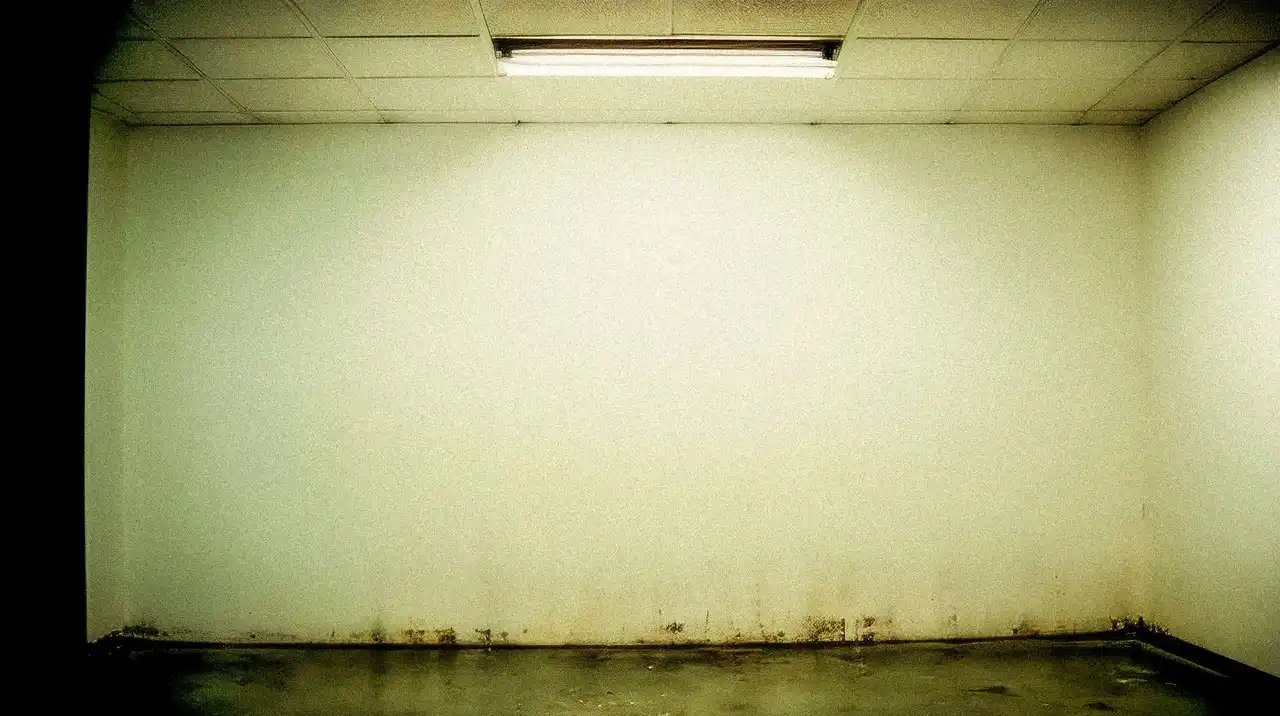
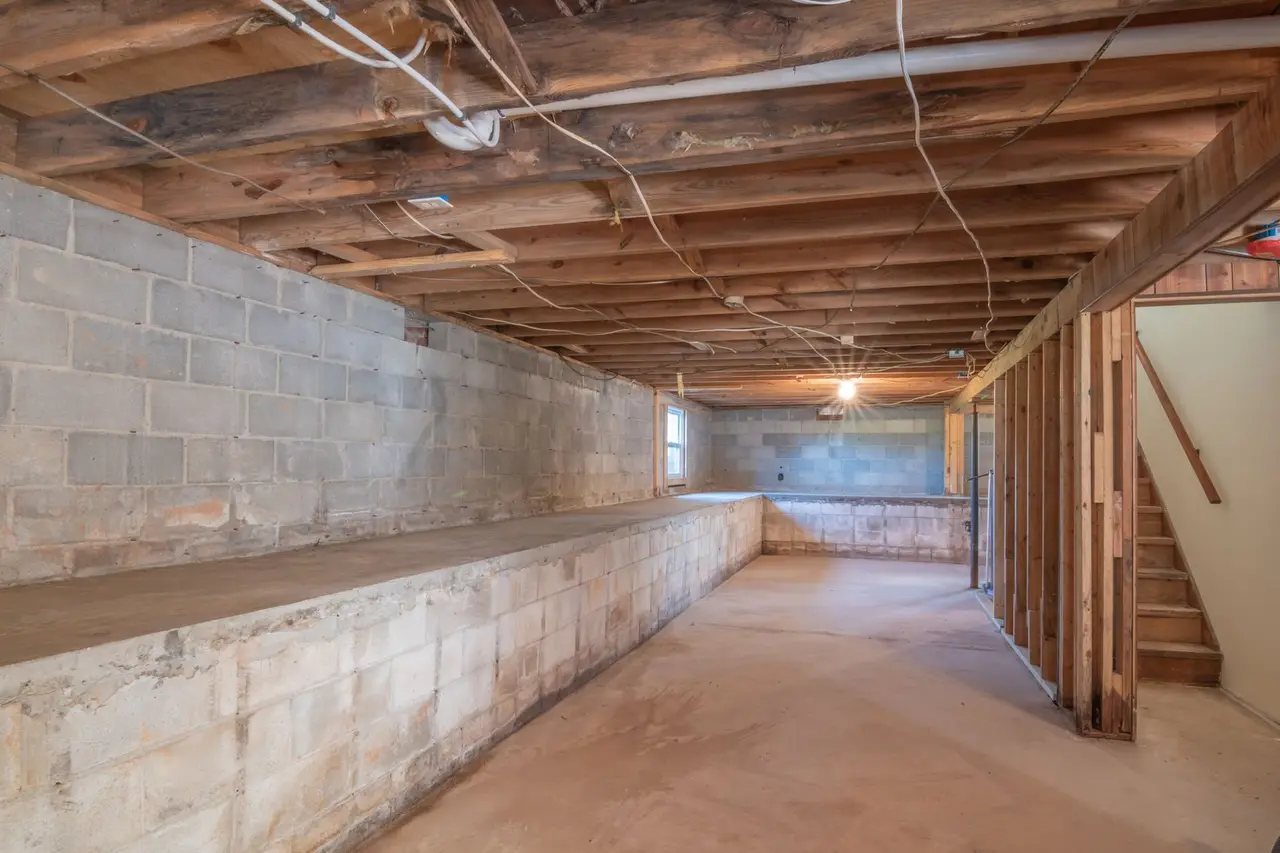
    Basements in Old Town Meridian and the Historic District are prone to dampness because of older foundation materials and inadequate drainage. Humidity levels stay high, allowing mold to grow on walls and floors. We measure humidity and moisture, then collect air and surface samples. We recommend dehumidification and drainage improvements, and we provide clearance testing after remediation.

  • HVAC mold in commercial buildings

    HVAC mold in commercial buildings

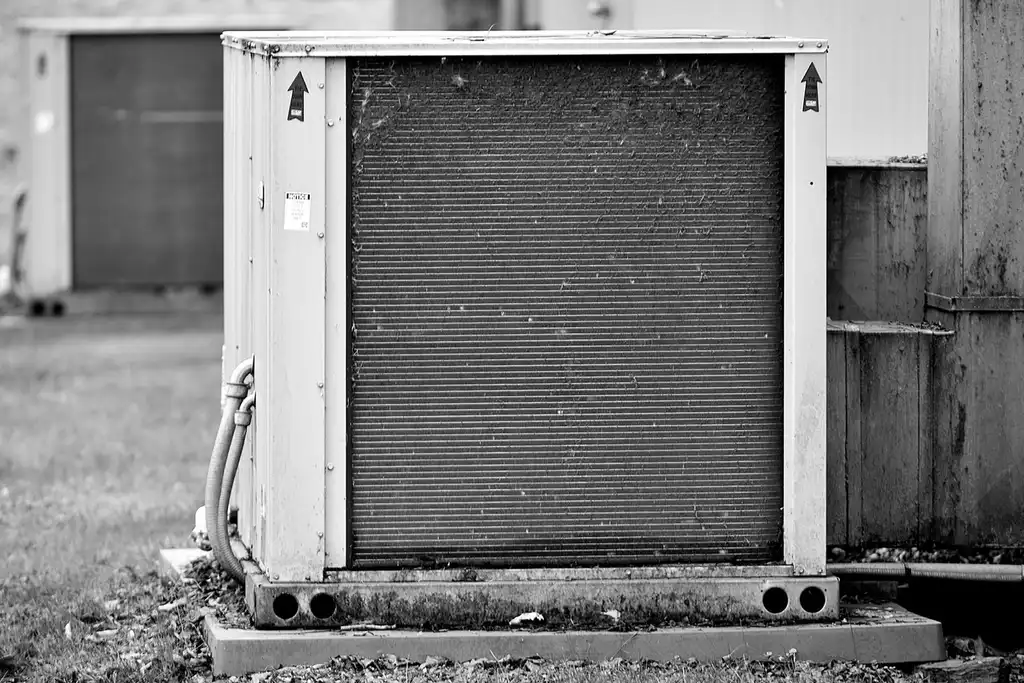
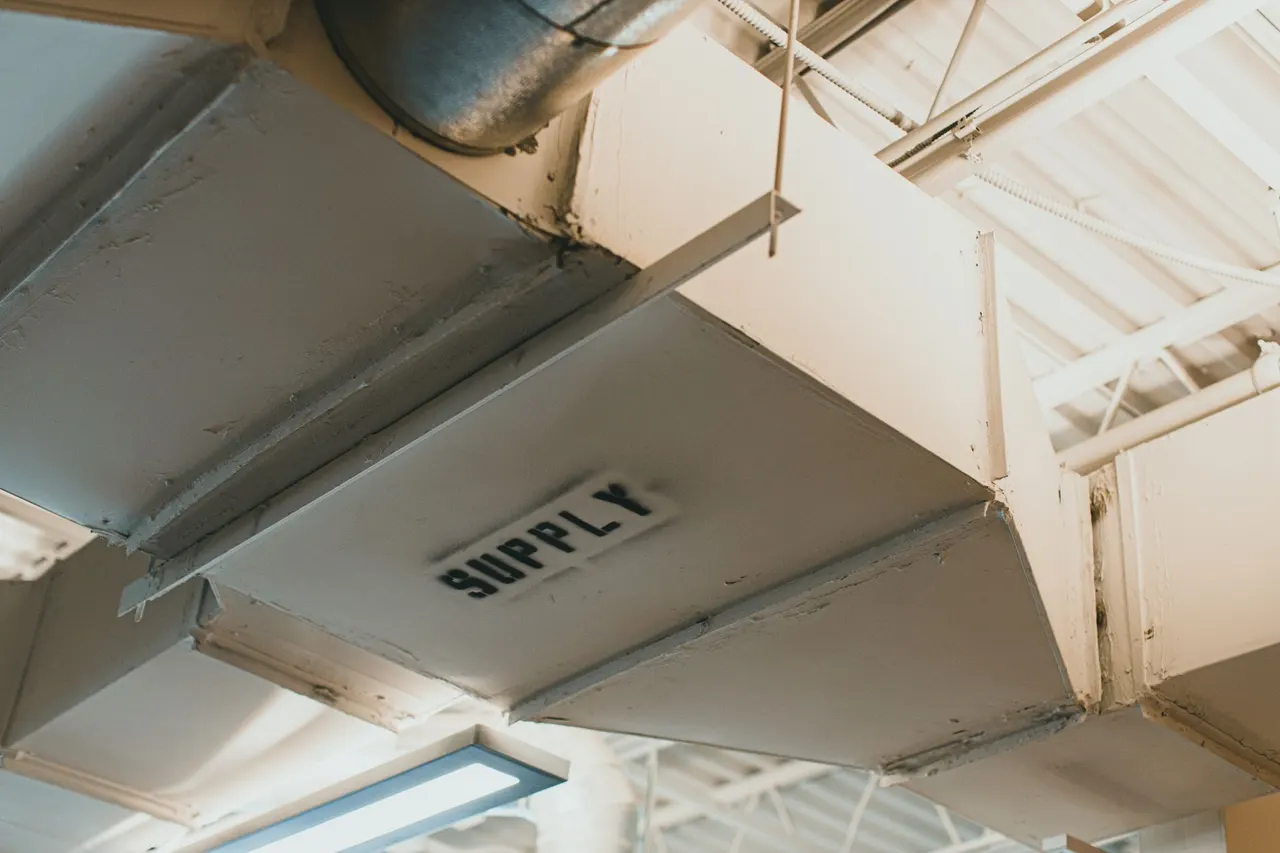
    Civic Center offices and Main Street storefronts often have older HVAC systems that have not been maintained. Moisture in ducts and coils allows mold to grow and spread through the building. We inspect HVAC components with boroscopes and collect air samples from ducts and rooms. Our reports identify the extent of mold and guide cleaning or remediation.

Signs You Need Mold Testing in Downtown Meridian

If you notice musty odors, visible spots, or recent water damage, call us for testing.

  • Musty odor that will not go away

    A persistent musty smell often means mold is growing in a hidden area like a wall cavity, crawl space, or attic. Air fresheners will not fix it. We use air sampling and thermal imaging to find the source.

  • Visible black or green spots on walls

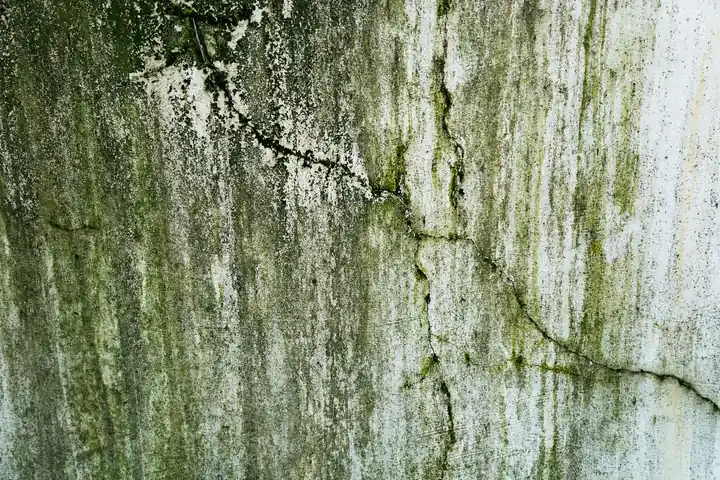
    Dark spots on drywall, ceiling tiles, or window frames are likely mold. Black mold testing can confirm whether it is Stachybotrys or another species. Early testing prevents it from spreading.

  • Water stains on ceilings or walls

    Water stains indicate a leak or past water damage. Even if the stain is dry, mold may have already started growing behind the surface. We use moisture meters to check for hidden moisture.
  • Recent water damage or flooding

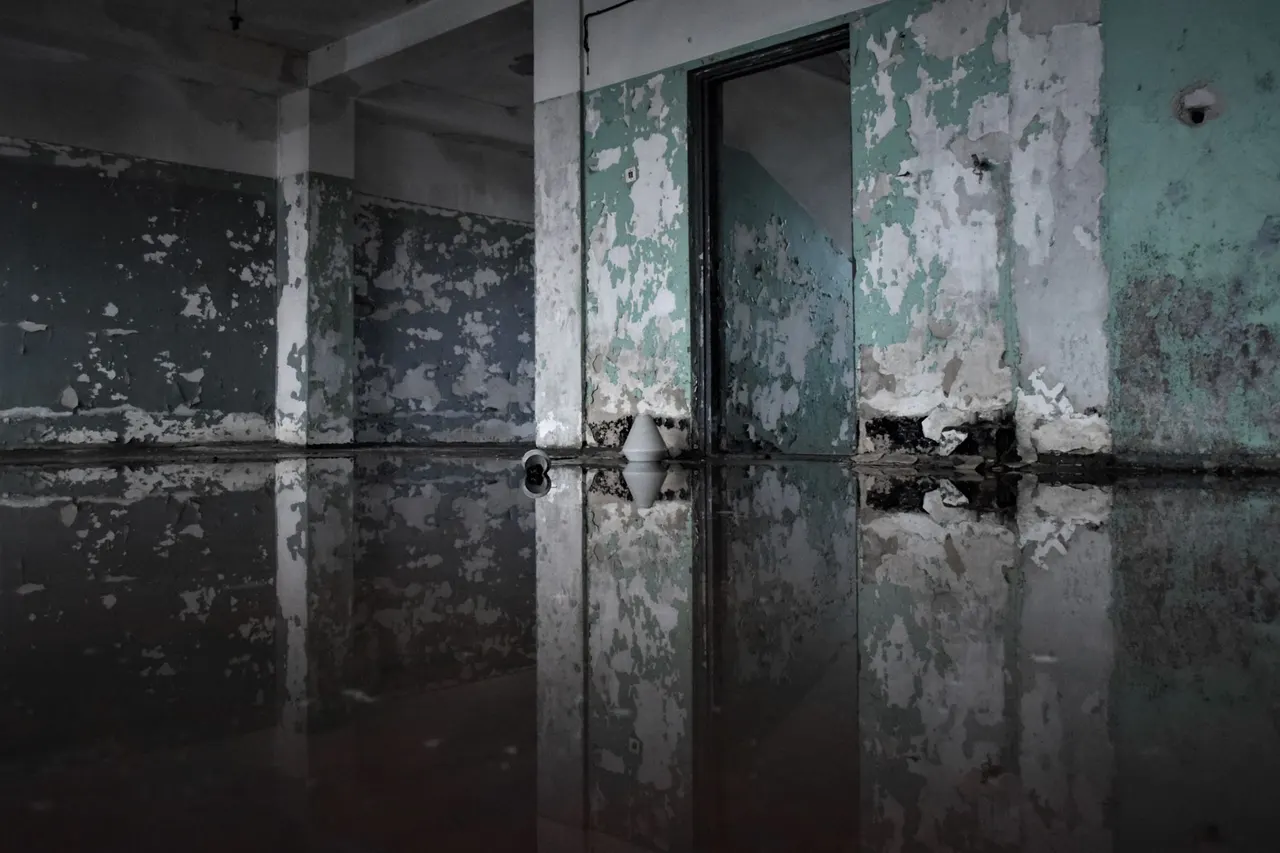
    After a burst pipe, roof leak, or sewage backup, mold can start growing within 24 to 48 hours. Testing confirms whether mold is present and guides remediation. This is common in older Downtown Meridian buildings.

  • Allergy symptoms that worsen indoors

    If you or your family experience sneezing, coughing, or eye irritation that gets worse at home, mold could be the cause. Air quality testing measures airborne spores and identifies the species.

How We Execute Mold Testing in Downtown Meridian

When we perform mold testing in Downtown Meridian, we start by understanding the building. A 1920s bungalow in Old Town Meridian has different moisture dynamics than a modern Civic Center office. We use moisture meters and thermal imaging cameras to map moisture, then collect air samples with SKC pumps and Zefon Air-O-Cell cassettes. Surface samples go into tape lift kits or surface sampling swabs. Everything is labeled, sealed, and shipped to LabCor with a chain of custody form. We schedule inspections around Downtown Meridian traffic and parking, often arriving early to avoid Main Street congestion. If you need same-day mold inspection in Downtown Meridian, call before noon and we can usually fit you in. We also offer 24/7 mold testing Downtown Meridian near me for emergencies like burst pipes or sewage backups.

  • High water table in parts of 83642

    Crawl spaces and basements stay damp year-round, which creates ideal conditions for mold growth. Standard short-term fixes do not work because the moisture source is groundwater. We use moisture meters and hygrometers to measure baseline humidity, then map moisture across the crawl space. We recommend drainage improvements and vapor barriers, and we test for mold before and after any remediation.

  • Historic buildings with roof leaks

    Older roofs in the Meridian Historic District often leak slowly, allowing water to travel behind walls and into attics. Mold can grow for months before it is visible, and by then it has spread. We use thermal imaging cameras and boroscopes to trace leaks from the attic down. We collect air samples in living spaces and surface samples from suspect areas, then provide a report that identifies the source and extent of mold.

  • Summer humidity spikes

    From June through September, indoor humidity in Downtown Meridian can exceed 60 percent, especially in homes without air conditioning or proper ventilation. This allows mold to grow on walls, ceilings, and furniture. We measure indoor humidity with hygrometers and data loggers, then identify areas where humidity is highest. We recommend dehumidifiers, ventilation improvements, and air quality testing to confirm whether mold has started to grow.

  • Idaho state mold inspection license

    Idaho does not have a statewide mold licensing requirement, but we hold voluntary certifications and follow industry standards. This ensures our inspections and reports meet professional guidelines.

  • IICRC S520 Standard for Mold Remediation

    This standard guides how we assess mold and determine when remediation is needed. It also defines post-remediation clearance criteria, which we use when testing after cleanup.

Landmarks We Use to Navigate Downtown Meridian

Downtown Meridian is easy to navigate once you know the landmarks. We use Meridian City Hall and the Meridian Train Depot as reference points when scheduling and routing. Julius M. Kleiner Memorial Park and the Meridian Library District help us orient when we are heading to neighborhoods on the north or south side of the downtown core. If you are near any of these, we can find you.

  • Meridian City Hall

    City Hall is a central landmark on Main Street. We use it to orient ourselves when heading to Civic Center offices or nearby residential streets.

  • Meridian Train Depot

    The Train Depot is a historic landmark near the center of town. It helps us locate streets in the Historic District and Old Town Meridian.

  • Julius M. Kleiner Memorial Park

    This park is a major reference point on the north side of Downtown Meridian. We use it when routing to neighborhoods and commercial areas nearby.

  • Meridian Library District

    The library is a well-known landmark on Main Street. It helps us find nearby residential and commercial addresses quickly.

  • Main Street Corridor

    Main Street is the commercial heart of Downtown Meridian, with retail shops, restaurants, and offices. Many buildings are older and have moisture issues that can lead to mold.

  • Civic Center Plaza

    The Civic Center area includes government buildings, professional offices, and some retail. It is a mix of newer and older construction, and we test for mold in both.

  • Meridian Train Depot

    The Train Depot is a historic site and a useful landmark for locating nearby streets. It is not an active transit hub, but it helps with orientation.

  • Main Street and Meridian Road

    This intersection is a main access point for Downtown Meridian. We use it to route to appointments and avoid traffic.

Neighborhoods We Serve in Downtown Meridian

We cover every corner of Downtown Meridian, from the historic streets of Old Town to the commercial corridors near the Civic Center. Whether you are in a 100-year-old bungalow or a modern apartment, we know the moisture patterns that lead to mold.

  • Old Town Meridian
  • Meridian Historic District
  • Civic Center
  • Main Street Corridor

Local Case Studies from Downtown Meridian

  • Old Town Meridian

    Before

    A 1920s bungalow in Old Town Meridian had a musty odor in the living room. The homeowner had recently repaired a roof leak but still smelled mold.

    After

    We used thermal imaging and moisture meters to trace moisture behind the plaster walls. Air samples with Zefon Air-O-Cell cassettes showed elevated spore counts. We collected surface samples with tape lift kits and sent them to LabCor. Lab results confirmed Penicillium and Aspergillus growth. We provided a report that guided remediation, and post-remediation testing showed spore counts back to normal levels.

  • Main Street Corridor

    Before

    A Main Street storefront had visible black mold near a window after a winter condensation issue. The business owner needed documentation for the landlord.

    After

    We performed a mold inspection and collected surface samples with swabs. Air samples were taken in the retail area and back office. We documented moisture readings and provided a written report with lab results. The lab identified Stachybotrys (black mold). The report helped the owner negotiate remediation with the landlord, and clearance testing confirmed successful removal.

  • Civic Center

    Before

    A Civic Center office had complaints of musty odors and allergy symptoms among employees. The HVAC system had not been inspected in years.

    After

    We tested the HVAC system with boroscopes and air sampling pumps. Ductwork samples showed mold growth. We also collected air samples from multiple rooms to assess spore levels. Lab results confirmed mold in the ductwork. We recommended duct cleaning and HVAC remediation, and follow-up testing showed improved air quality.

How Seasons Affect Mold Testing in Downtown Meridian

  • Spring

    Snowmelt and spring rain can overwhelm drainage systems, leading to basement and crawl space moisture. Mold growth often starts in March and April. We see an increase in calls for basement mold testing. Check your crawl space and basement for dampness after heavy rain. If you smell musty odors, schedule a mold inspection.
  • Summer

    Humidity spikes in July and August, pushing indoor humidity above 60 percent. This allows mold to grow on walls, ceilings, and furniture. HVAC systems work harder, and condensation can lead to mold in ducts. Use dehumidifiers and run your air conditioner to keep indoor humidity below 50 percent. If you notice musty odors, call for air quality testing.

  • Fall

    Early fall storms can bring rain and wind, leading to roof leaks and window leaks. Mold can start growing before winter. We often test attics and walls for hidden moisture during this season. Inspect your roof and windows for damage before winter. If you had a leak, schedule mold testing to confirm whether mold has started to grow.

  • Winter

    Freezing temperatures can cause pipes to burst, leading to water damage and mold. Ice dams on roofs can force water into attics and walls. We see an increase in emergency calls for water damage mold testing. Insulate pipes and keep your home heated to prevent bursts. If a pipe freezes, call us for emergency mold testing as soon as the water is turned off.

What to Ask Before Hiring a Mold Tester in Downtown Meridian

Not all mold testing companies are the same. Asking the right questions can save you money and ensure you get accurate results. Here are the questions we recommend asking any mold inspector in Downtown Meridian.

  • Are you certified and insured?

    Certifications like IICRC or ACAC show the inspector has training and follows industry standards. Insurance protects you if something goes wrong during the inspection.

  • What kind of equipment do you use?

    Professional mold inspectors use moisture meters, thermal imaging cameras, air sampling pumps, and boroscopes. If they only use a flashlight and their eyes, they may miss hidden mold.

  • Do you send samples to an accredited lab?

    Lab results are the only way to confirm what type of mold is present and whether it is toxic. Ask if they use a lab like LabCor and provide a chain of custody form.

  • How long until I get my results?

    Most labs return results in 2-3 business days. If a company promises instant results without lab testing, be skeptical. You need documented results for remediation or real estate.

  • Do you provide a written report?

    A written report with lab results, photos, and moisture readings is essential for remediation, insurance claims, or legal disputes. Make sure you get one.

FAQs About Mold Testing in Downtown Meridian

Still wondering? (208) 823 1178

Local service team

Schedule Mold Testing in Downtown Meridian Today

If you smell something musty or see signs of mold, do not wait. We provide mold testing in Downtown Meridian with same-day and emergency availability. Our certified inspectors use professional equipment and send samples to LabCor for accurate results. Call (208) 823 1178 or fill out our online form to schedule your inspection.

Contact Meridian Mold Testing

Call us at (208) 823 1178 or email [email protected] to schedule your inspection. We answer calls Monday through Friday from 8:00 AM to 6:00 PM. If you reach us after hours, leave a message and we will call you back first thing the next morning.