Written report
Lab results, photos, and plain-language findings
HVAC Mold Testing in Meridian is the fastest way to find out whether your heating and cooling system is blowing mold spores into every room. If you smell a musty odor when the furnace kicks on, or your family keeps getting sick, we test the air handler, ductwork, and coils with thermal imaging and lab-grade sampling. We serve homeowners across Ada County who want a straight answer, not a sales pitch.
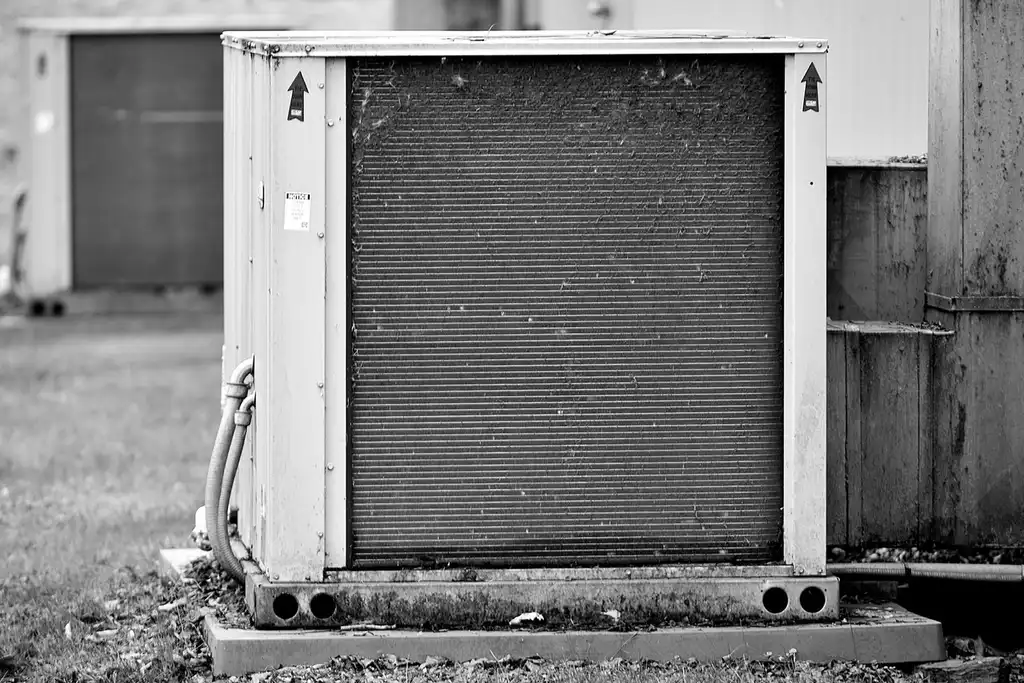
Every HVAC mold testing job includes a visual inspection, moisture readings, air and surface sampling, lab analysis, and a written report. We do not charge extra for the report or for explaining the results. If you need additional sampling beyond the standard scope, we will quote it upfront.
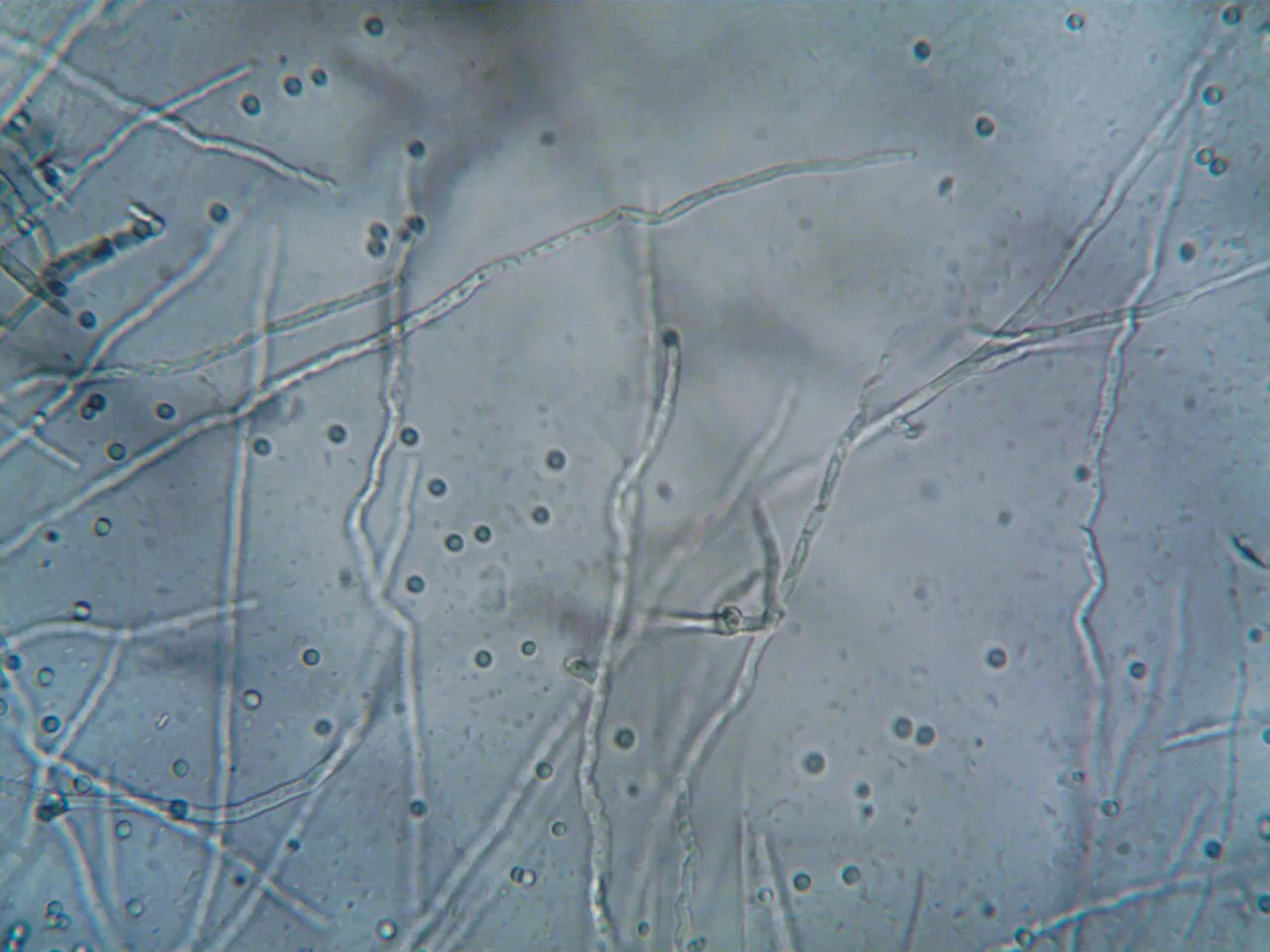

We test your air handler, ductwork, and coils for mold growth. You get lab results and a written report so you know what you are breathing.
We test commercial HVAC systems for mold and document findings for property managers. Reports include spore counts and recommendations.
HVAC Mold Testing in Meridian is a targeted inspection that checks the inside of your heating and cooling system for mold growth. We open the air handler, inspect the evaporator coil, look inside supply and return ducts, and check the drain pan. We use a moisture meter and a boroscope to see behind panels without tearing your system apart. Then we take air samples with a Zefon Air-O-Cell spore trap cassette and surface samples with tape lift slides. Everything goes to a lab, and you get a written report with spore counts and a clear yes or no.
Most Meridian homeowners call us after they notice a musty odor that gets worse when the heat or AC runs. Our dry summers and cold winters mean your system runs hard, and that constant moisture cycling creates ideal conditions for mold inside the ductwork. If you have had water damage, a leaky roof, or high indoor humidity, the risk goes up. We also get calls for HVAC mold test near me Meridian from people buying or selling a home in Northeast Meridian ID who need documentation before closing.
We test the system, document the findings, and give you a report you can act on.
We keep it simple. You call, we schedule, we test, and you get a written report. Most jobs take two to four hours on site, and you will have lab results within two business days.
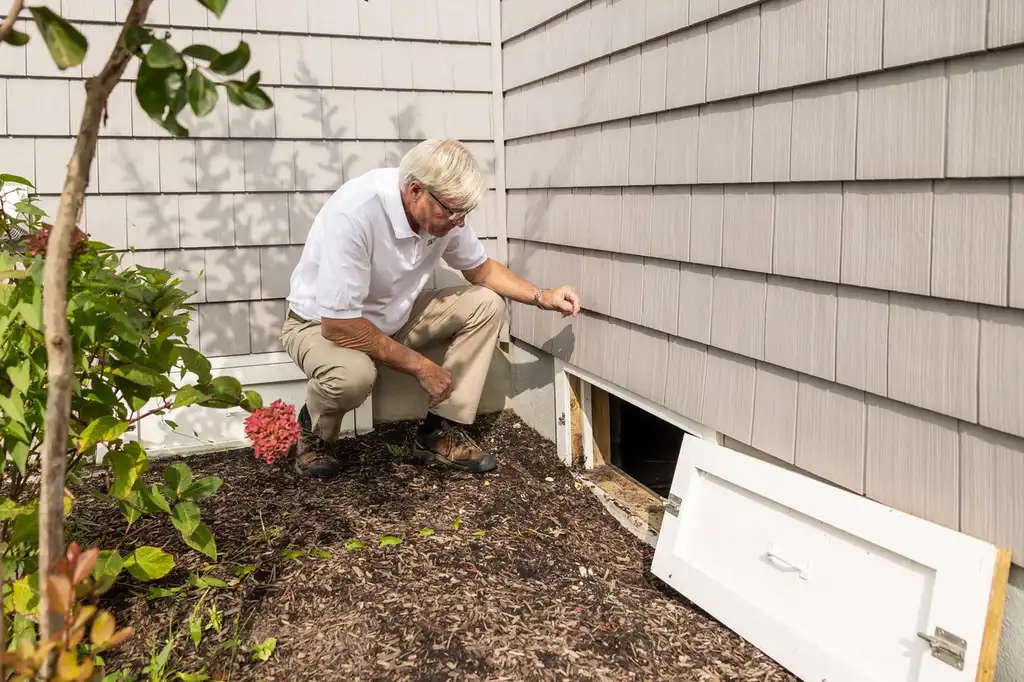
When you call, we ask what you are seeing or smelling, how old your system is, and whether you have had any water intrusion. That helps us bring the right tools. If you need same-day HVAC mold testing Meridian, we will tell you honestly whether we can fit you in. We serve ZIP codes 83646, 83642, and 83680.
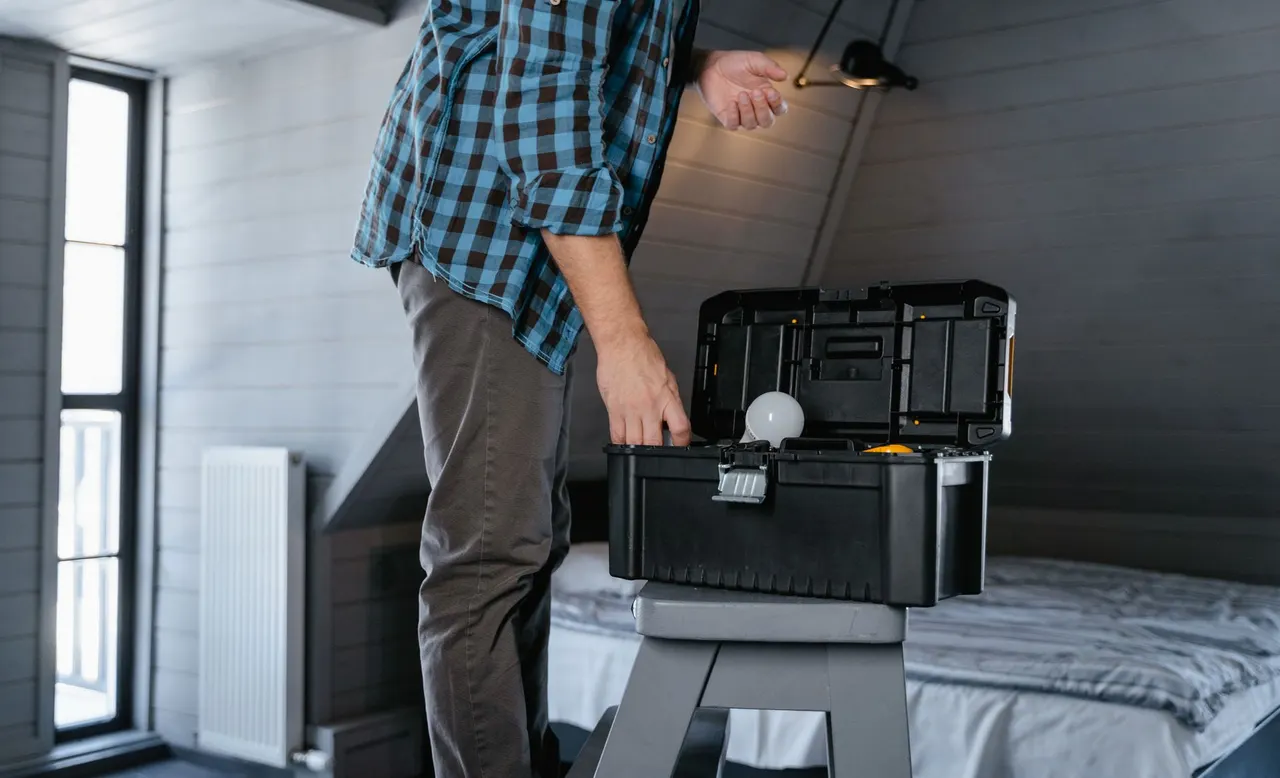
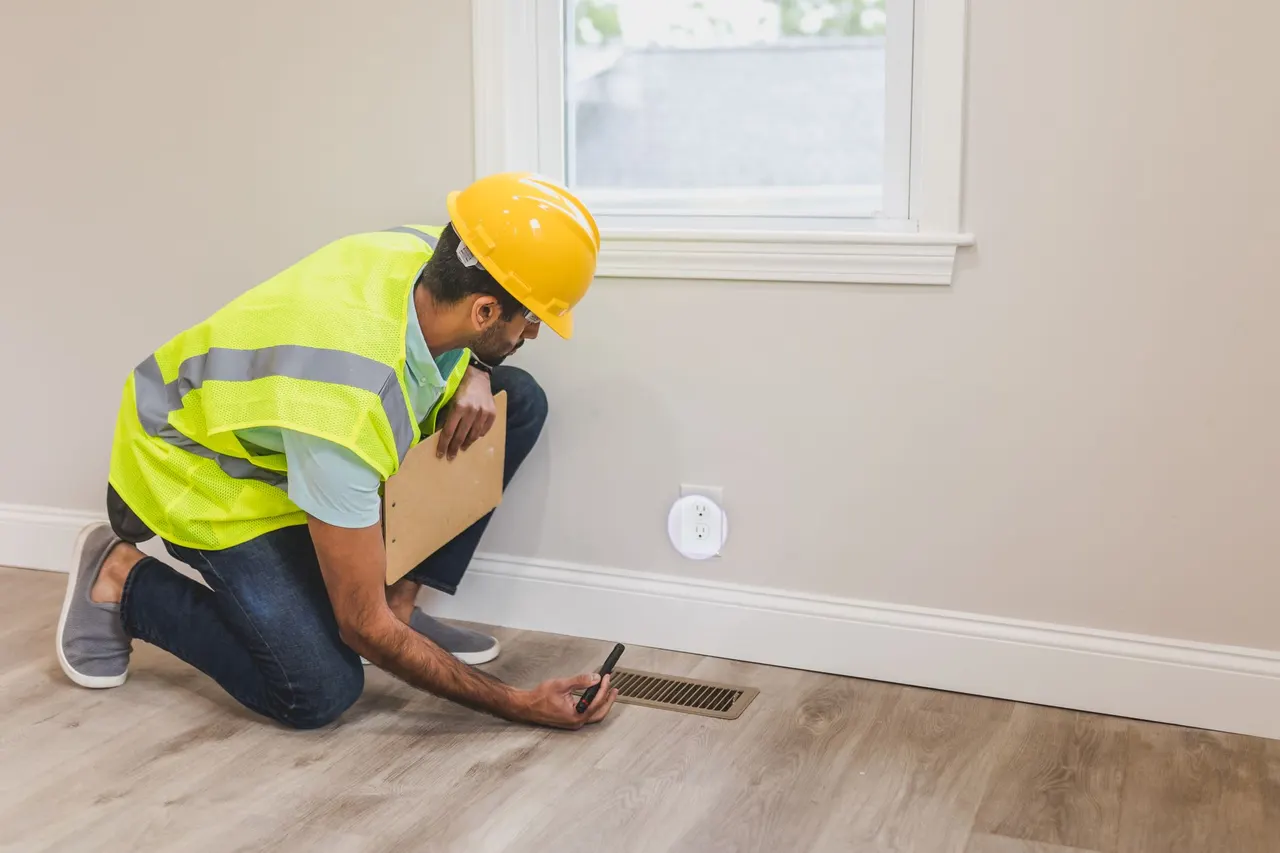
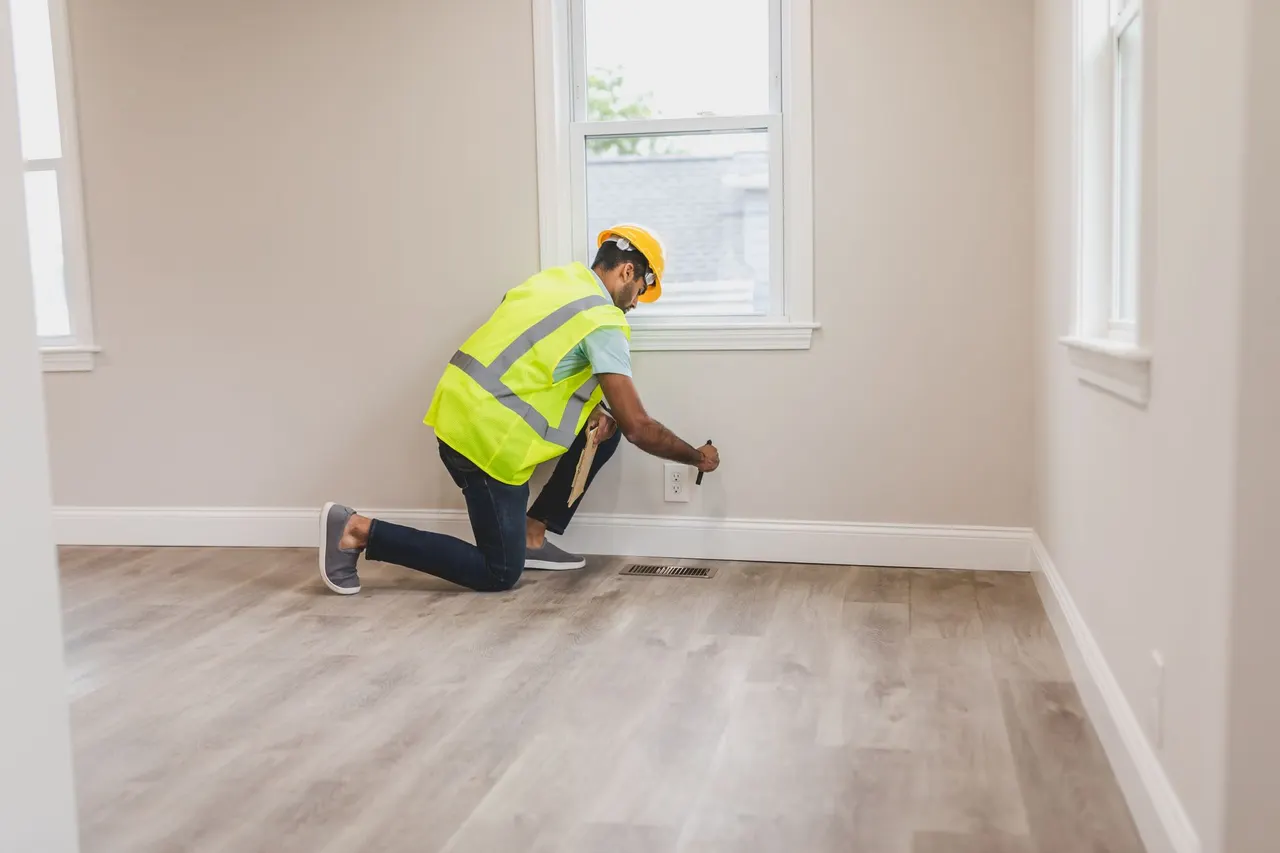
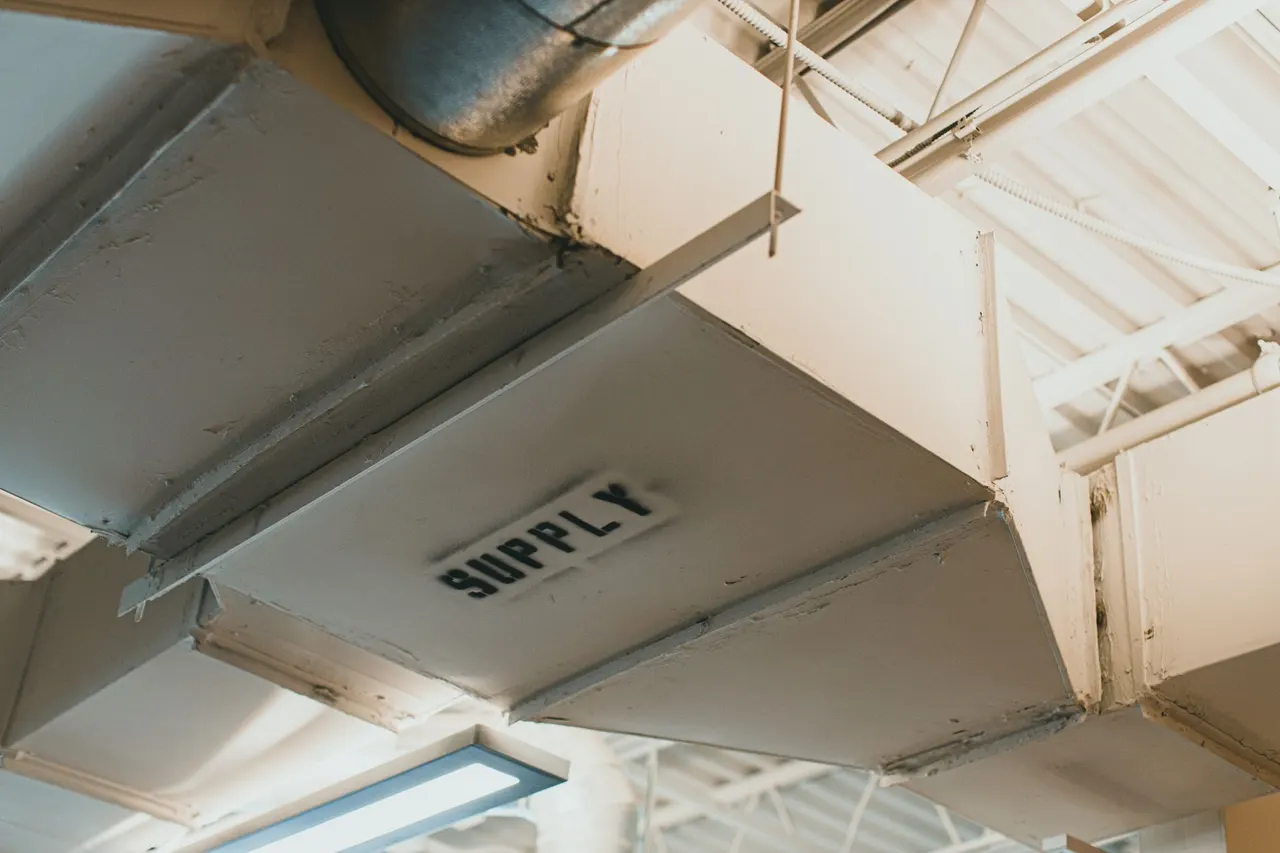
We start at the air handler. We open the access panel, check the evaporator coil, inspect the drain pan, and look at the blower compartment. Then we move to the ductwork, checking supply and return runs with a boroscope where needed. We use a moisture meter and hygrometer to measure moisture levels in the system and surrounding areas.
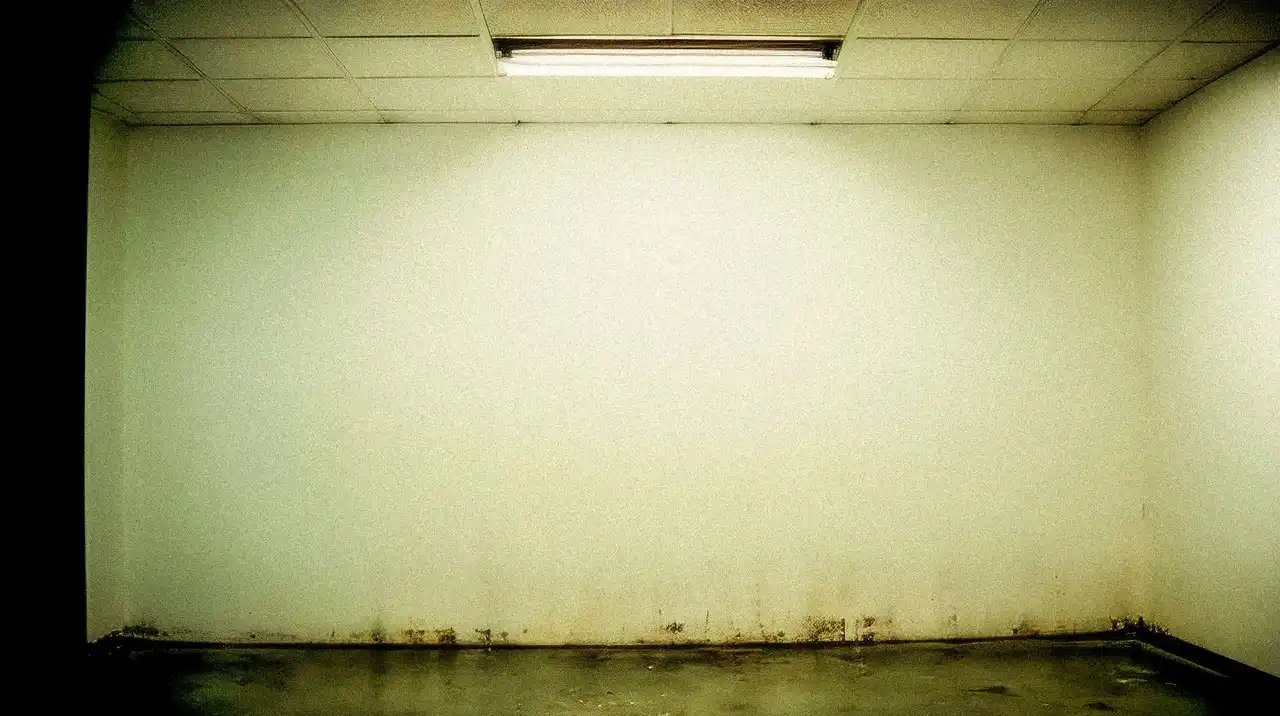
We set up an air sampling pump with a Zefon Air-O-Cell spore trap cassette to capture airborne spores. We take at least one outdoor control sample for comparison. For visible growth, we use surface sampling swabs or tape lift slides. Each sample is labeled, sealed, and logged on a chain of custody form.
Samples go to an accredited lab. They identify mold types and count spores per cubic meter. Results typically come back in 24 to 48 hours. We review the report and compare indoor levels to the outdoor control. If levels are elevated or specific mold types are present, we flag it clearly.
We send you a written report with lab results, photos, and our findings. We explain what we found, where it is, and what it means. If remediation is needed, we tell you what scope makes sense. If your system is clean, we tell you that too. No upselling, just the facts.
Captures airborne mold spores for lab analysis. We use it with an air sampling pump to measure spore concentrations in your HVAC system.
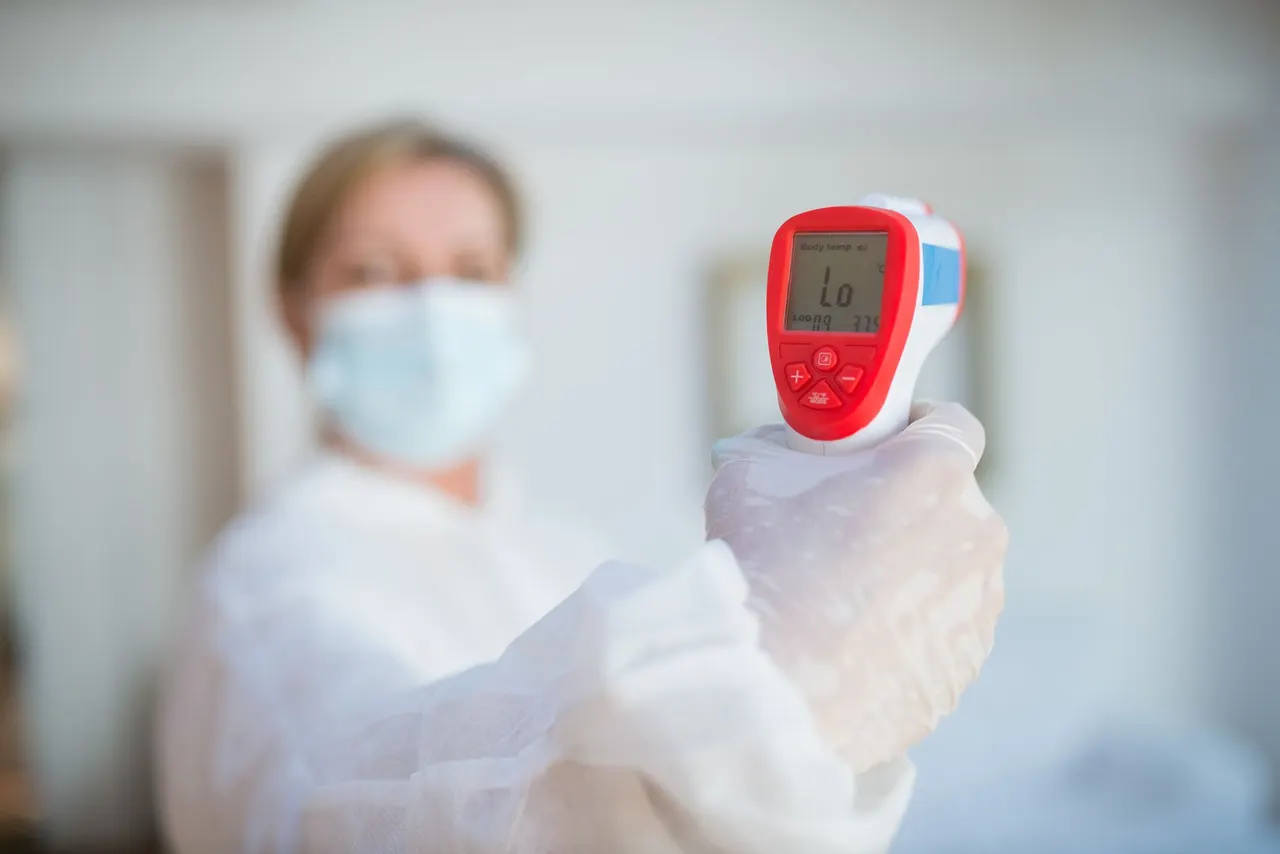
Detects temperature differences caused by moisture or hidden mold. We use it to scan walls, ceilings, and HVAC components without cutting into surfaces.

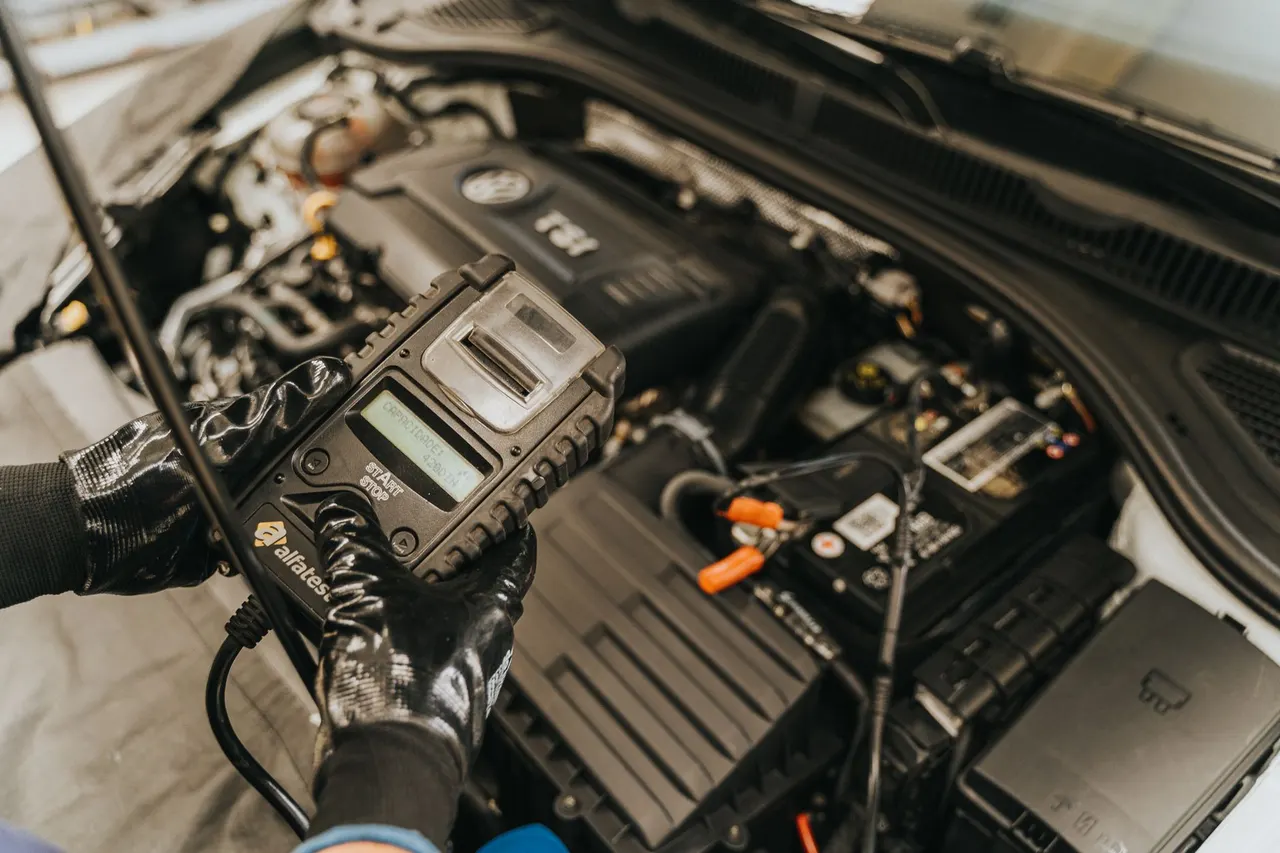
Measures moisture content in building materials and HVAC components. High readings indicate conditions that support mold growth.

Measures relative humidity in your home and near HVAC equipment. High humidity feeds mold. We document readings to identify problem areas.
Allows us to see inside ductwork and wall cavities without dismantling your system. We use it to inspect duct liner and hidden areas for visible growth.

Collect samples from visible growth for lab analysis. Lab results confirm whether it is mold and what type.

We follow IICRC guidelines for mold inspection, sampling, and reporting. That means our methods are consistent with industry standards and our reports are accepted by realtors, insurers, and remediation contractors.
We take air samples inside your HVAC system and at least one outdoor control sample. Comparing indoor to outdoor spore counts tells us whether mold is growing inside your home or system.
We inspect the air handler, coil, and ductwork for visible growth and moisture. We take air samples at supply and return registers. Lab results tell you whether mold is growing inside the system. You get a clear answer and a written report. If mold is present, you know where it is and what type. If not, you can rule out the HVAC system and look elsewhere.
We test the HVAC system and affected areas for mold spores. If the system was running during or after the water event, it may have pulled in spores. We document everything for insurance or remediation. You have lab-verified documentation of whether mold is present. That helps with insurance claims and remediation planning. You avoid guesswork.
We provide real estate mold testing with a written report that satisfies buyers, sellers, and realtors. We test the HVAC system and provide spore counts and mold types. The transaction moves forward with clear documentation. Buyers get answers, sellers get proof, and realtors get a report they can share.
We test the air your HVAC system is moving and compare indoor spore levels to outdoor levels. If indoor counts are higher, mold is growing inside. We identify the type and location. You get data to share with your doctor or an allergist. If mold is the cause, you have a report to guide remediation. If not, you can rule it out.
Meridian's climate creates specific mold risks for HVAC systems. Our dry summers mean your AC runs constantly, and the evaporator coil stays wet. Our cold winters mean your furnace runs for months, and any moisture in the system stays there. Add in the occasional roof leak or crawl space humidity, and you have ideal conditions for mold. We test HVAC systems across Ada County and know what to look for in Meridian homes. Whether you are in Northeast Meridian ID or near Downtown Meridian, we bring the right tools and follow IICRC standards. If you need HVAC mold testing near me Meridian, we serve ZIP codes 83646, 83642, and 83680.
A family in Northeast Meridian noticed a musty smell every time the AC ran. They had allergies and suspected mold but could not see any growth. Their HVAC system was 12 years old and had never been tested.
We found mold on the evaporator coil and took air samples. Lab results showed indoor spore counts three times higher than outdoor. The family had the coil cleaned and the system remediated. The musty odor was gone within a week.
They now run a dehumidifier in summer and schedule annual HVAC inspections. Keeping humidity below 50% prevents mold from returning.
A buyer was ready to close on a Downtown Meridian home but the home inspection flagged possible mold in the HVAC system. The seller had no documentation. The deal was on hold.
We tested the HVAC system and provided a written report within two days. Lab results showed no active mold growth, just dust and debris. The buyer accepted the report and the deal closed on schedule.
The new owners scheduled a duct cleaning and now change filters every three months. Regular maintenance keeps the system clean.
A Tuscany home had a basement flood from a burst pipe. The HVAC system was running during the cleanup. The homeowner worried that mold had spread into the ductwork.
We tested the HVAC system and basement air. Lab results showed elevated spore counts in the basement but not in the ducts. We recommended basement remediation and a follow-up HVAC test after cleanup. The follow-up showed normal levels.
The homeowner installed a sump pump and dehumidifier. They also scheduled annual HVAC mold testing to catch any future issues early.
Mold in your HVAC system causes musty odors, allergy symptoms, and property damage. Testing tells you whether the problem is real and how bad it is. Here are the most common issues we solve for Meridian homeowners.
We inspect the air handler and ductwork, then take air samples to measure spore levels. If mold is present, we document it with lab results. You get a clear answer and a report you can use to get it fixed. That smell is often mold growing on the coil or in the duct liner. Every time the blower runs, spores spread through your home. Ignoring it means breathing mold daily.

We test the air your system is moving and compare it to outdoor levels. If indoor spore counts are higher, that points to mold inside. We identify the type and location so you can address it. If your family feels better when away from home, indoor mold could be the cause. HVAC systems are a common hidden source. Without testing, you are guessing.

We take surface samples from visible growth and air samples from the system. Lab analysis confirms the mold type and spore concentration. We give you a written report to guide remediation. If you can see mold on a vent cover or inside a duct, the problem is already established. Spores are circulating every time the system runs. It will not go away on its own.
We provide HVAC mold testing with a written lab report that realtors and buyers accept. We test the system, document findings, and deliver results within two business days. That keeps your transaction on track. A buyer or lender may require mold testing before closing. Without a professional report, the deal can stall. You need documentation that answers the question clearly.
When mold grows on the evaporator coil or inside duct liner, your system spreads spores through the whole house. We sample the air at supply registers and return grilles to measure spore counts. If levels are elevated, you will know within 24 to 48 hours after the lab processes the samples. That gives you a real number to act on, not a guess.
Mold often starts behind the air handler or inside flex duct where you cannot see it. A thermal imaging camera and boroscope let us spot temperature differences and visible growth without cutting into walls or ductwork. Finding it early means a smaller remediation scope and less disruption to your home. We have tested systems in Tuscany and Sierra Ridge where hidden growth was the only sign.
If you are selling a home in Ada County, a mold question from a buyer can stall the deal. Our written lab report shows exactly what was tested, where samples were taken, and what the spore counts were. Realtors and buyers accept it because it follows industry standards. We have helped close transactions in Downtown Meridian and Paramount with clear documentation.
Mold growth on the coil or in the drain pan can corrode metal and shorten the life of your system. Testing tells you whether the problem is minor surface growth or something deeper. If it is minor, cleaning and humidity control may be enough. If it is widespread, you will know before you spend money on repairs that will not solve the root cause.
Clear records you can keep and share.
Lab results, photos, and plain-language findings
Images of sample locations and visible growth
Mold in your HVAC system does not always smell or show visible growth. Testing is the only way to know for sure. We test the air and surfaces to give you a complete picture.
We capture airborne spores with a spore trap cassette. Lab analysis tells us the concentration and type.
We swab or tape-lift visible growth. Lab results confirm whether it is mold and what species.
We take an outdoor air sample for comparison. Indoor levels higher than outdoor indicate mold inside.
Outside these areas? Call and we will let you know if we can help. (208) 823 1178
Most HVAC mold testing jobs in Meridian run $300 to $650 depending on how many samples we take and how complex your system is. A basic test with one air sample and one surface sample is on the lower end. If we need to sample multiple duct runs or take control samples, the price goes up. We give you a flat quote before we start.
We inspect the air handler, coil, drain pan, and ductwork visually with a boroscope and thermal camera. Then we take air samples with a spore trap cassette and surface samples from any visible growth. Samples go to a lab, and you get a report with spore counts and mold types. The whole process takes two to four hours on site.
Meridian Mold Testing provides HVAC mold testing across Ada County. We have been in business since 2010 and serve ZIP codes 83646, 83642, and 83680. We are an independent testing company, not a remediation contractor. Call us at (208) 823 1178 to schedule.
We offer same-day HVAC mold testing Meridian when our schedule allows. Call us in the morning and we will tell you if we can fit you in that day. If not, we can usually schedule you within one to two business days. We serve all Meridian neighborhoods including Northeast Meridian, Southeast Meridian, and Southwest Meridian.
If you smell musty odors or see visible growth on your HVAC equipment, do not wait. We test, we document, and we give you a clear report. Call us at (208) 823 1178 to schedule your HVAC Mold Testing in Meridian. Same-day appointments available when our schedule allows.
Call us at (208) 823 1178 or email [email protected] to schedule your inspection. We answer calls Monday through Friday from 8:00 AM to 6:00 PM. If you reach us after hours, leave a message and we will call you back first thing the next morning.