Thermal images
Photos of every anomaly we find
Thermal Imaging for Mold Detection Meridian ID uses infrared cameras to see temperature differences that signal hidden moisture and mold growth. If you smell something musty, had a recent leak, or a home inspection flagged a concern, we scan your walls, ceilings, and crawl spaces without tearing anything open. We serve homeowners, renters, and property managers across Ada County with same-day appointments and clear, photo-documented results.
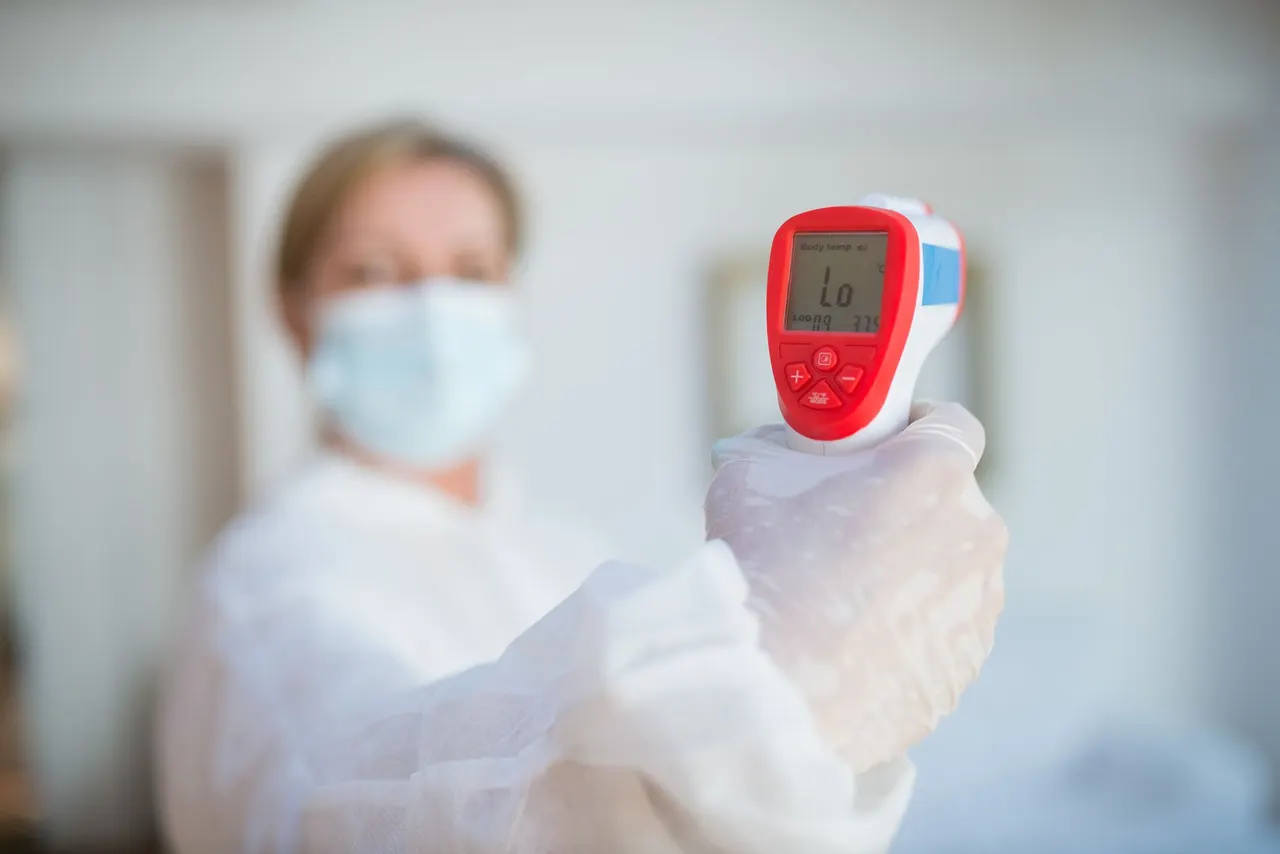
Every thermal imaging inspection includes the same core deliverables. Add-ons like additional sampling or commercial scans are available at an extra cost. Here is exactly what you get.

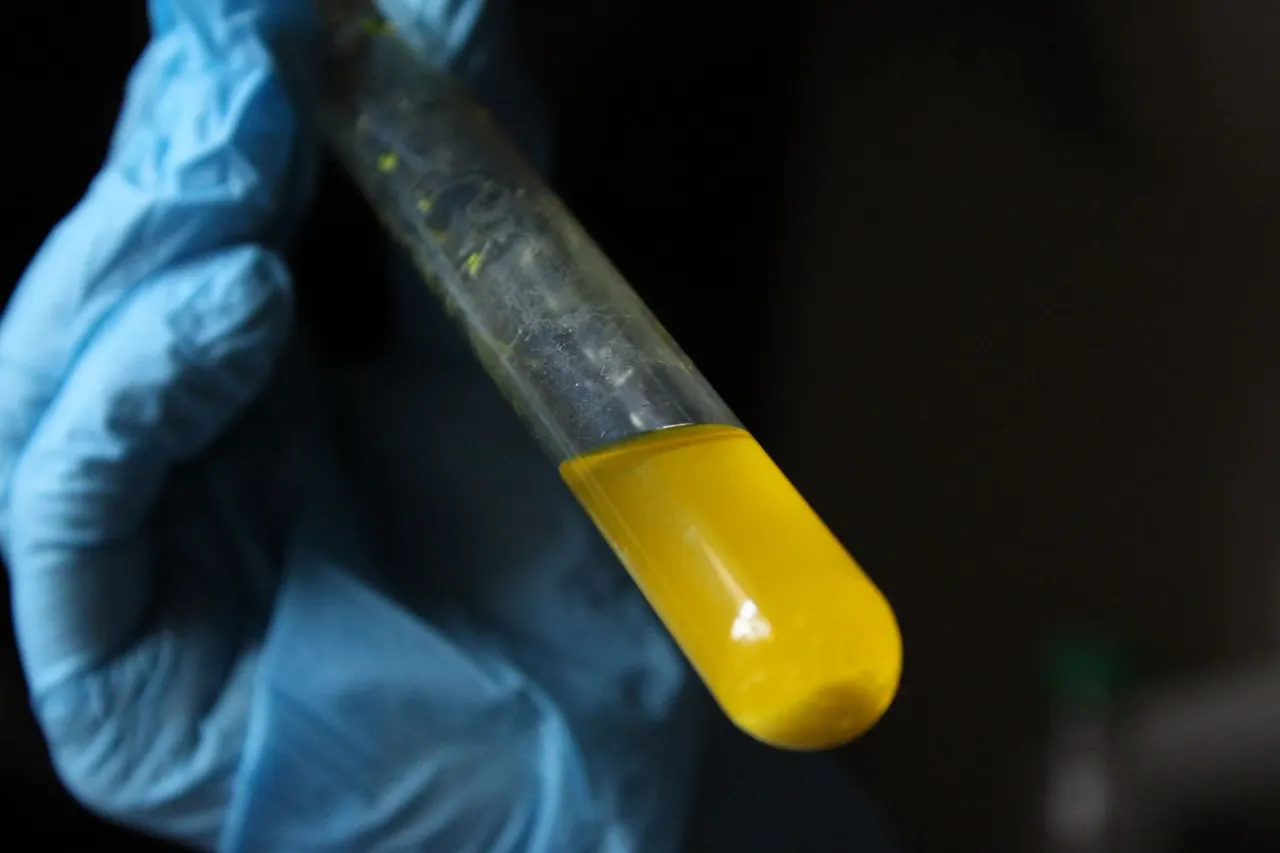
We scan your walls, ceilings, floors, attic, and crawl space with a FLIR thermal camera. You get a written report with photos and moisture readings within 24 hours.
We scan offices, retail spaces, restaurants, and warehouses for hidden moisture. Reports meet OSHA and EPA guidelines for employee health and liability.
Thermal Imaging for Mold Detection Meridian ID is a non-invasive diagnostic service that uses infrared cameras to detect temperature anomalies caused by hidden moisture, which often indicates mold growth behind walls, under floors, or above ceilings. We pair FLIR thermal imaging cameras with moisture meters, hygrometers, and boroscopes to confirm what the camera sees. The scan takes 60 to 90 minutes for a typical 2,000-square-foot home, and you get a written report with thermal images and moisture readings the same day.
Meridian's wet winters and hot, dry summers create ideal conditions for hidden mold. Snowmelt seeps into crawl spaces, irrigation lines saturate soil against foundations, and HVAC systems push humid air through ductwork. We regularly find attic mold after ice dams, crawl space mold after spring runoff, and wall cavity mold behind stucco in neighborhoods like Paramount and Sierra Ridge. If you have a musty odor or a recent water damage mold issue, thermal imaging near me Meridian searches often lead homeowners to us for a fast, accurate answer.
We scan with infrared first, then confirm with moisture meters before recommending any work.
Every inspection follows the same five-step sequence. You will know what we are doing, why we are doing it, and what comes next.

We start with a 10-minute phone call to understand your concern. Do you smell something musty? Did a pipe leak? Is this for a real estate transaction? We ask about the age of the home, recent water events, and HVAC history. That conversation shapes where we focus the camera and which tools we bring.

Our technician arrives with a FLIR thermal imaging camera, Extech hygrometer, and Delmhorst moisture meter. We scan every exterior wall, ceiling, and floor, plus the attic and crawl space. The scan takes 60 to 90 minutes depending on square footage. You are welcome to walk with us and see the images in real time.

When the camera shows a cold spot, we confirm it with a moisture meter. We take readings at multiple depths: surface, 1/4 inch, and 3/4 inch. If the meter reads above 16 percent moisture content, that is a strong indicator of active mold growth. We log every reading with the room name and GPS coordinates.

If we find elevated moisture, we collect air samples using a Zefon Air-O-Cell spore trap cassette and SKC air sampling pump. For visible growth, we take surface samples with a tape lift kit or swab. Samples go to LabCor for analysis. Results come back in 24 to 48 hours with spore type and concentration.

You receive a written report within 24 hours of the site visit. It includes thermal images, moisture readings, lab results, and a clear recommendation: monitor, remediate, or no action needed. We walk you through the findings by phone and answer every question. If remediation is needed, we refer you to IICRC-certified contractors in Ada County.
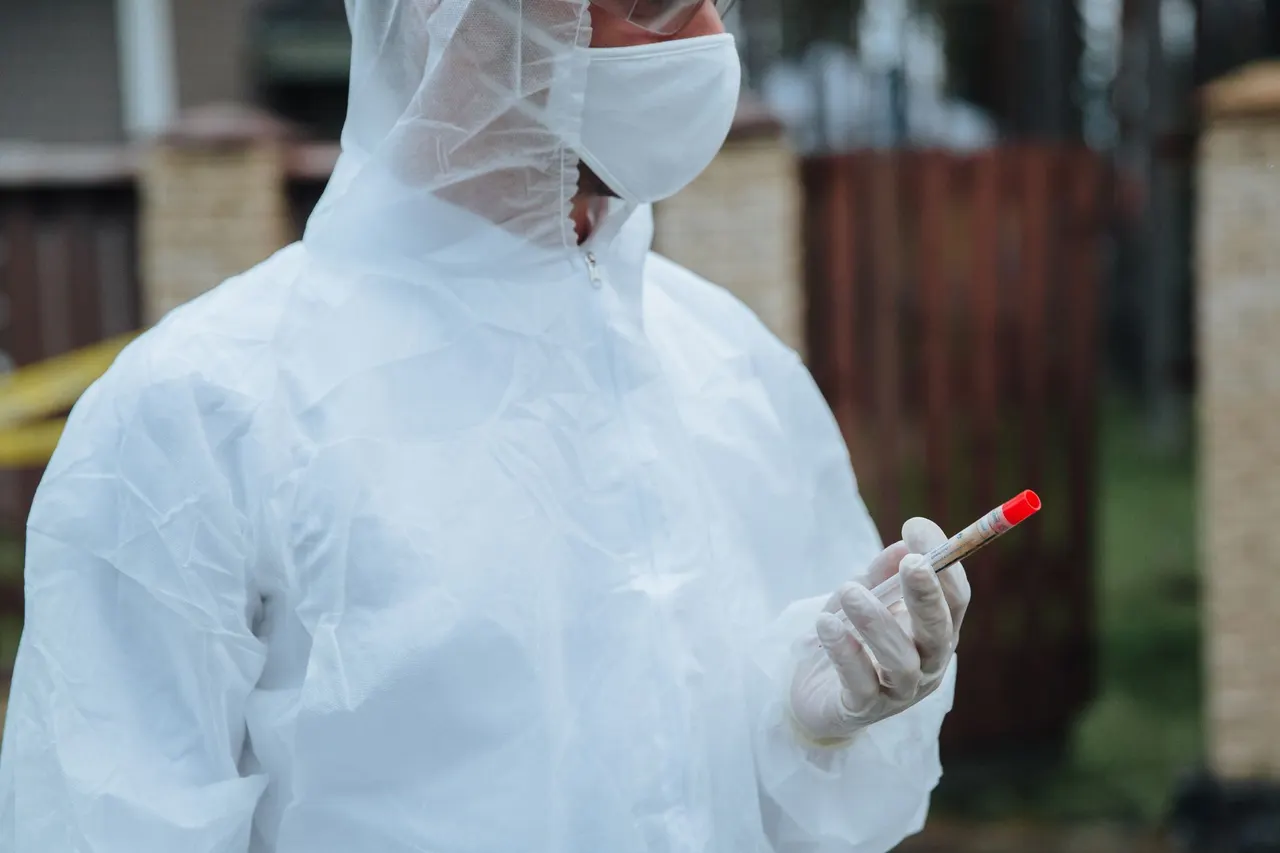
Detects temperature differences as small as 0.1 degrees Fahrenheit. We use it to find hidden moisture behind walls, under floors, and above ceilings. Every inspection includes a thermal scan.
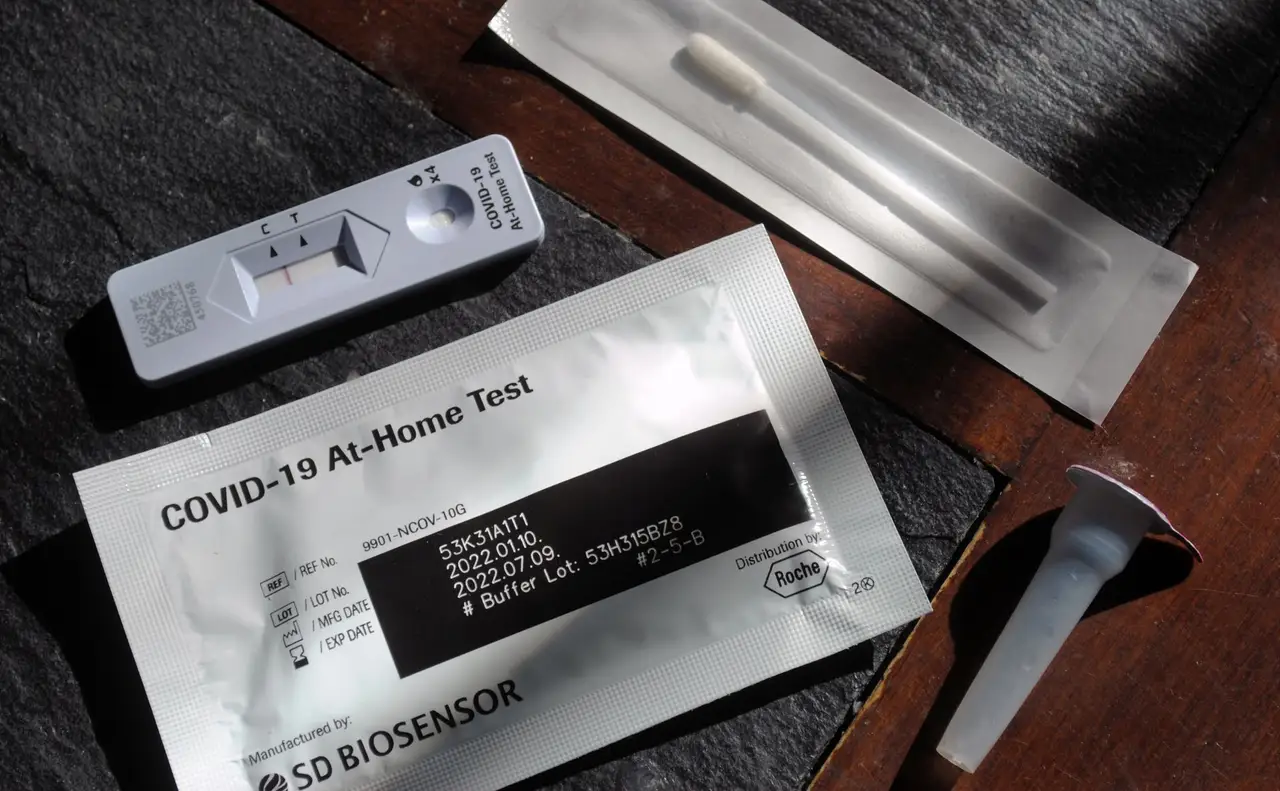
Confirms moisture content in building materials. We take readings at surface, 1/4 inch, and 3/4 inch depths. Anything above 16 percent is flagged as a potential mold risk.

Measures relative humidity and dew point. We use it to assess indoor air conditions and condensation risk. High humidity above 60 percent feeds mold growth.

Collects airborne mold spores for lab analysis. We use it with an SKC air sampling pump to pull a known volume of air. LabCor analyzes the cassette and reports spore type and concentration.
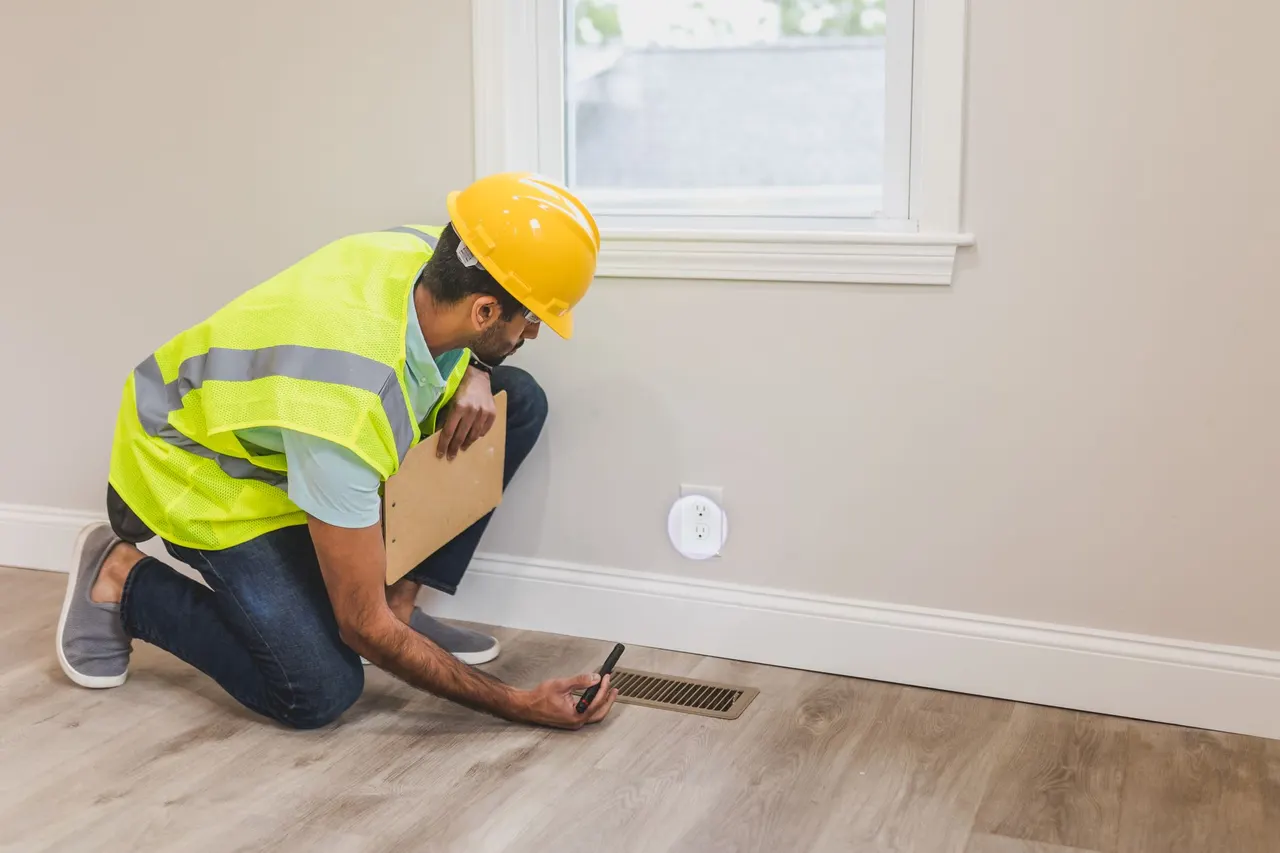
Inspects inside wall cavities, ductwork, and crawl spaces without demolition. We insert it through existing outlets or small holes. It lets us see mold growth directly when thermal imaging finds a suspect area.
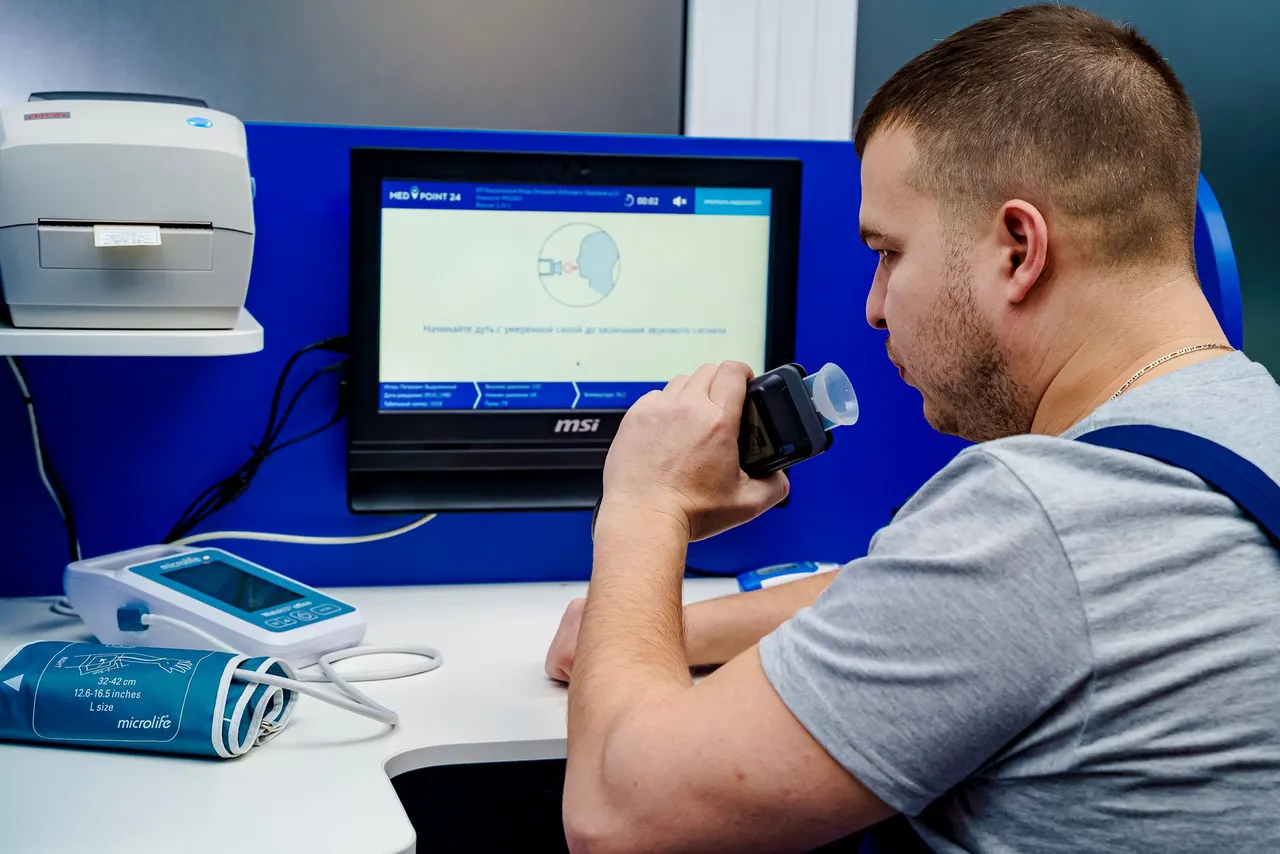
Collects surface samples from visible mold growth. We press the tape onto the affected area and seal it in a transport container. LabCor identifies the species and provides a spore count.
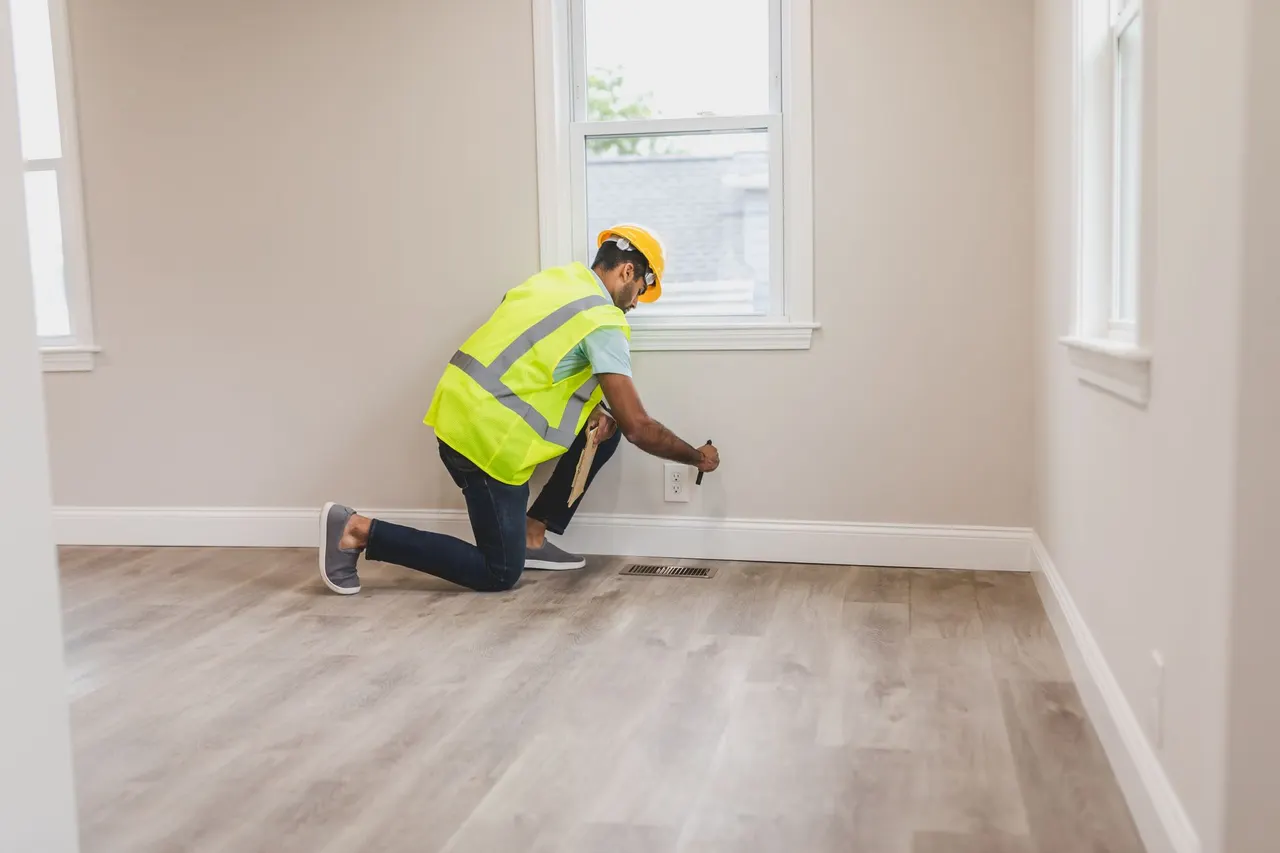
Logs temperature and humidity over 24 to 48 hours. We use it to assess moisture conditions in crawl spaces, attics, and living areas. This data helps us recommend ventilation or dehumidification.

We use FLIR thermal cameras to scan every exterior wall, ceiling, and floor. The camera detects temperature differences caused by moisture. We confirm every anomaly with a moisture meter. This method finds hidden mold without demolition.
We scan your home with a FLIR thermal camera to find hidden moisture. Moisture meters confirm the reading. Air samples identify the mold species. You get a report showing exactly where the problem is and what to do next. You know the source of the odor and have a plan to fix it. No more guessing or tearing into walls.
We scan the affected area with thermal imaging to find trapped moisture. Moisture meters confirm the extent. If moisture is above 16 percent, we collect samples. Reports document conditions for insurance. You confirm the area is dry or catch hidden mold early. Insurance claims are supported with documented evidence.
We provide a full thermal imaging mold inspection for real estate transactions. Reports are delivered within 24 hours. We document every finding with photos and lab results. This helps buyers negotiate repairs or sellers prove the home is clean. The transaction moves forward with clear information. No surprises after closing.
We use thermal imaging to find hidden moisture, then collect air and surface samples. LabCor identifies the mold species and concentration. Reports include recommendations for remediation and re-testing. You identify the mold source and have documentation for doctors, employers, or legal purposes.
Meridian's climate creates specific mold risks. Wet winters and spring snowmelt saturate crawl spaces and foundations. Summer irrigation keeps soil moisture high against stucco and siding. HVAC systems run constantly, circulating humid air through ductwork. We see attic mold after ice dams, crawl space mold after spring runoff, and wall cavity mold behind stucco in neighborhoods like Paramount and Sierra Ridge. Our thermal imaging mold inspection Meridian Idaho service accounts for these local conditions. We scan crawl spaces and attics on every job, not just living areas. If you need thermal imaging for mold detection near me Meridian, we schedule same-day appointments for urgent situations. ZIP codes 83642, 83646, and 83680 are our most common service areas.
A homeowner noticed a musty smell in the hallway but no visible mold. Two inspectors found nothing. The smell got worse over three months. The homeowner worried about health effects but did not want to tear into walls without evidence.
We scanned the hallway with a FLIR thermal camera and found a cold spot behind the bathroom wall. A moisture meter read 22 percent. Lab results confirmed black mold. The homeowner used our report to hire an IICRC-certified remediator. The problem was fixed in two days.
We recommended a humidity test every six months and a follow-up thermal scan after remediation. The homeowner now runs a dehumidifier in the bathroom and monitors humidity with an Extech hygrometer.
After a heavy winter, a homeowner noticed water stains on the ceiling. A roofer fixed the ice dam but did not check for mold. Six months later, the homeowner smelled something musty in the upstairs bedroom. They worried about attic mold.
We scanned the attic with thermal imaging and found wet insulation and roof decking. Moisture readings were above 20 percent. Air samples confirmed elevated mold spores. The homeowner hired a remediator to remove the affected insulation and treat the roof decking. The attic was dry within a week.
We recommended improved attic ventilation and annual thermal scans before winter. The homeowner installed ridge vents and now checks the attic every fall.
A property manager for a rental duplex noticed a musty smell in one unit. The tenant complained of allergies. The crawl space had standing water after spring runoff. The property manager needed documentation for the owner and insurance.
We scanned the crawl space with thermal imaging and found moisture throughout the joists and subfloor. Moisture readings were above 25 percent. Surface samples confirmed mold growth. The property manager used our report to file an insurance claim. Remediation was completed in three days.
We recommended a crawl space encapsulation and a sump pump. The property manager now schedules annual thermal scans every spring. The tenant renewed the lease after the mold was removed.
Mold grows where you cannot see it. These are the most common hidden mold problems we find in Meridian homes and businesses.

We use thermal imaging to find the moisture source feeding the odor. A FLIR camera sees temperature differences behind walls. We confirm with a moisture meter, then collect air samples to identify the mold species. You get a report showing exactly where the problem is. A persistent musty smell means mold is growing somewhere. If you cannot find it, it is likely behind a wall, under a floor, or in the HVAC system. Ignoring it lets the colony spread and spores circulate through your home.
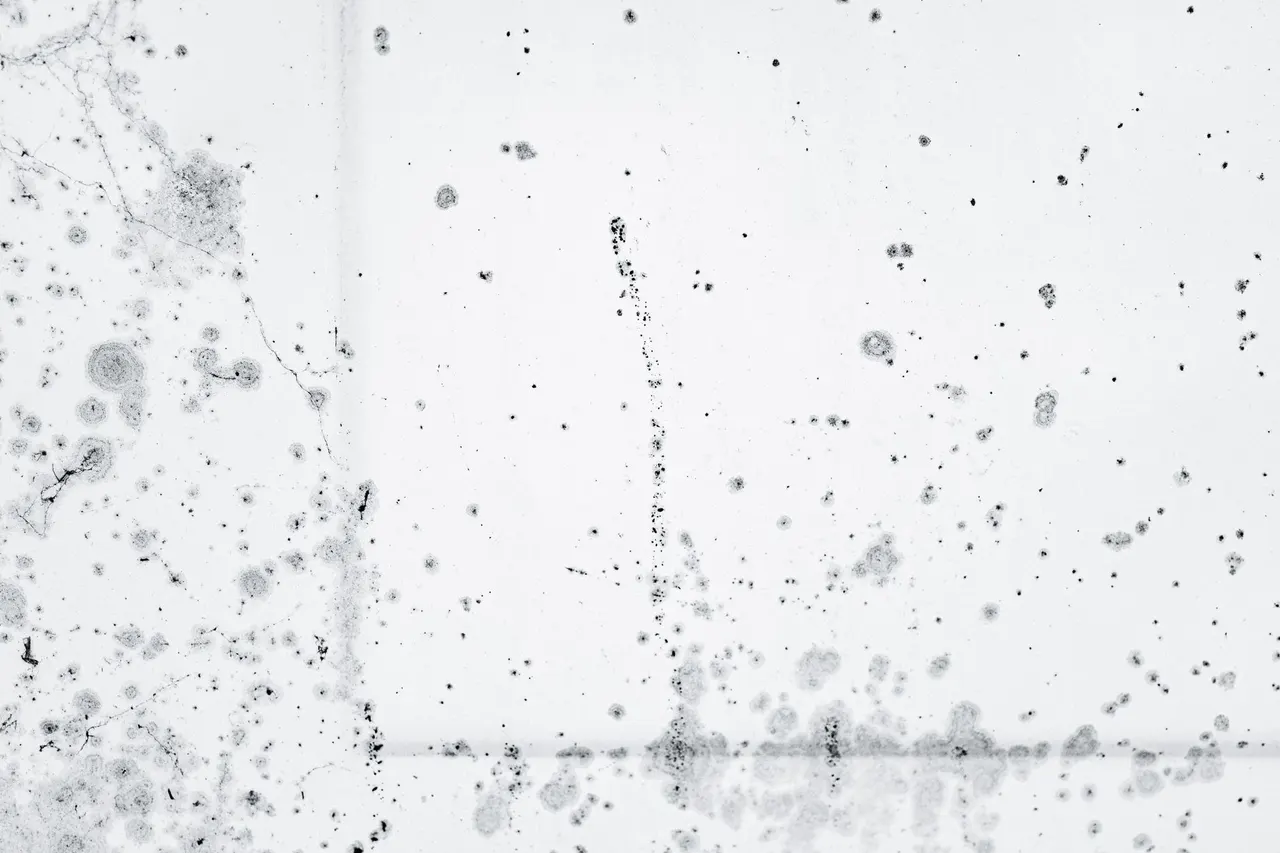
We scan the affected area with thermal imaging to find trapped moisture. Moisture meters confirm the extent. We collect samples and provide a report for your insurance claim. Same-day appointments are available for urgent water damage situations. Mold can start growing within 24 to 48 hours after water damage. If the area was not dried properly, moisture stays trapped behind walls. That leads to hidden mold growth and potential structural damage. Insurance may deny claims if mold is found later.
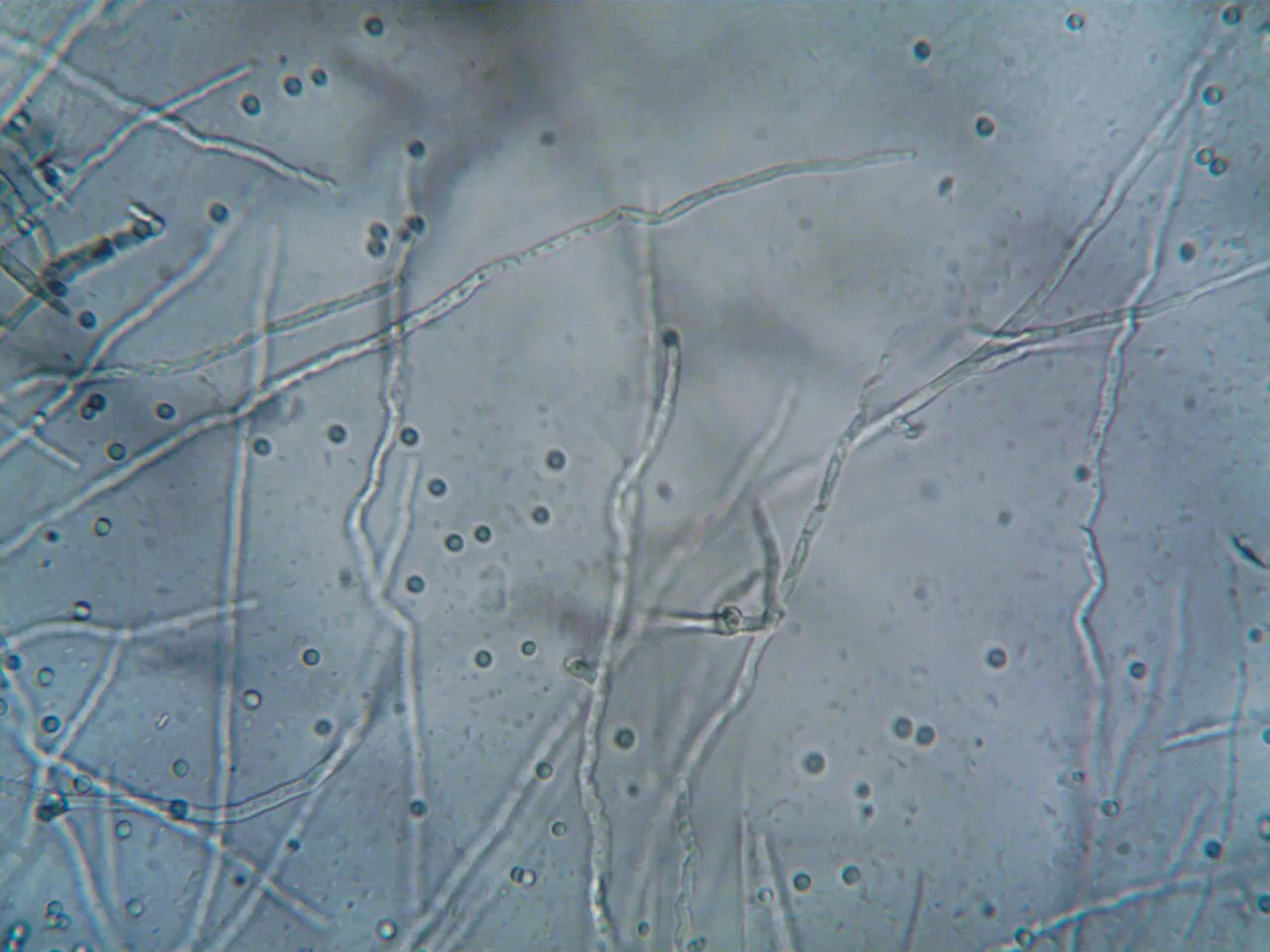
We provide thermal imaging mold inspections for real estate transactions across Ada County. Reports are delivered within 24 hours. We document every finding with photos and lab results. This helps buyers negotiate repairs or walk away with confidence. Buyers and sellers need clear answers before closing. A standard home inspection does not include mold testing. If mold is found after closing, the buyer inherits the problem. That can lead to costly repairs and legal disputes.
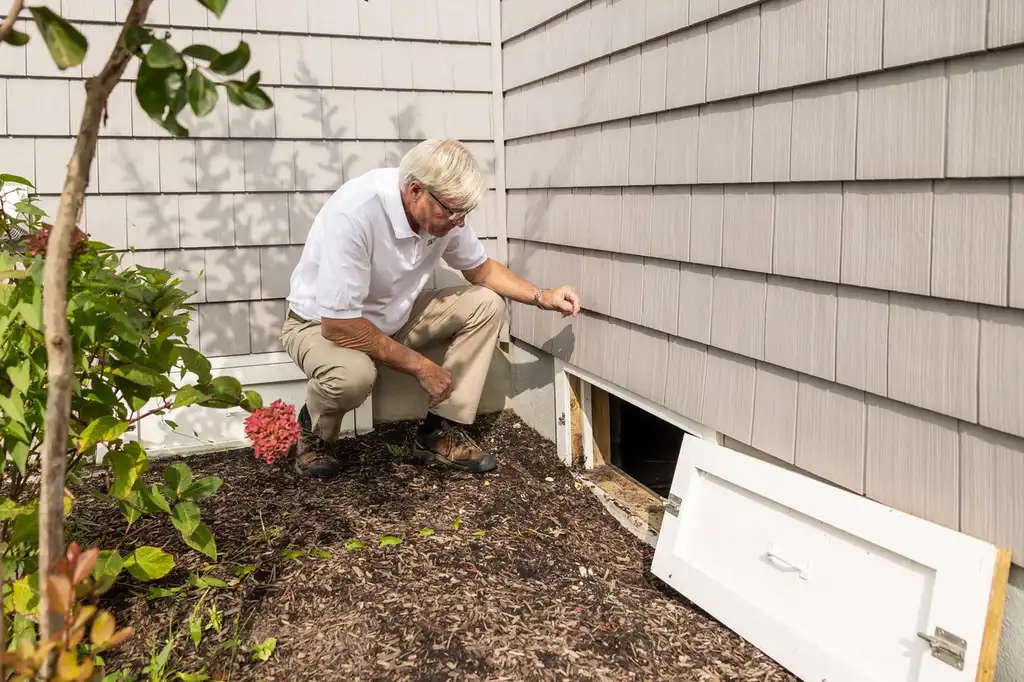
We scan crawl spaces and attics with thermal imaging to find moisture intrusion. We use boroscopes to inspect tight areas. Air and surface samples confirm mold species. Reports include recommendations for ventilation, encapsulation, or remediation. Crawl spaces and attics are dark, humid, and rarely inspected. Mold grows there unnoticed. Spores circulate through the living space via the stack effect. This can cause allergies, respiratory issues, and musty odors throughout the home.
We scan through drywall, tile, and siding without cutting a single hole. That means no patching, no repainting, and no disruption to your daily routine. A standard scan covers 2,000 square feet in about 90 minutes, and you get results the same day.
Thermal imaging for hidden mold Meridian ID detects temperature differences as small as 0.1 degrees Fahrenheit. That precision lets us map moisture behind walls, under floors, and inside ceiling cavities. We confirm every anomaly with a Delmhorst moisture meter and Protimeter hygrometer before recommending next steps.
Finding mold early limits the scope of remediation. A $300 thermal scan often prevents a $3,000 drywall tear-out. We document every finding with photos and moisture readings, so your remediation contractor knows exactly where to work and your insurance claim has clear evidence.
We offer same-day thermal imaging for mold detection Meridian for urgent situations like post-flood inspections or real estate deadlines. Call before noon and we can usually be on-site by late afternoon. Evening and weekend slots are available for Ada County properties.
Clear records you can keep and share.
Photos of every anomaly we find
Logged at surface, 1/4 inch, and 3/4 inch
Recommendations and lab results in 24 hours
Thermal imaging finds moisture, not mold directly. It shows us where to test. We confirm every finding with a moisture meter and lab samples.
The camera detects temperature differences caused by wet materials. Cold spots behind walls indicate moisture. We confirm with a moisture meter.
The camera cannot identify mold species. It shows us where to collect samples. LabCor analyzes samples and reports species and concentration.
Infrared scans pass through drywall, plaster, tile, and siding. We do not need to cut holes. If we need to see inside a cavity, we use a boroscope.
Outside these areas? Call and we will let you know if we can help. (208) 823 1178
Most thermal imaging mold inspections in Meridian cost $250 to $450 for a standard home. That includes the infrared scan, moisture readings, and a written report. If we collect air or surface samples, lab fees add $50 to $150 per sample. Commercial properties and homes over 3,000 square feet run $450 to $700. We quote a flat rate before we start, so you know the total.
Thermal imaging detects temperature differences caused by moisture. Mold needs water to grow, and wet materials are cooler than dry ones. Our FLIR camera sees those cold spots behind walls, under floors, and above ceilings. We confirm every anomaly with a Delmhorst moisture meter. If moisture reads above 16 percent, that is a strong indicator of active mold growth. The camera does not see mold directly, but it shows us exactly where to test.
Meridian Mold Testing provides thermal imaging for mold detection across Ada County. We have been in business since 2010 and completed over 4,200 inspections. Our technicians hold ACAC CMR and IICRC certifications. We serve Downtown Meridian, Northeast Meridian, Southeast Meridian, Southwest Meridian, Northwest Meridian, and neighborhoods like Paramount, Sierra Ridge, Tuscany, and Pine Tree. Call (208) 823 1178 to schedule.
Yes. Thermal imaging is non-invasive. We scan through drywall, plaster, tile, and siding without making a single hole. The camera reads surface temperature differences, which reveal moisture patterns behind the wall. We confirm with a moisture meter that has pins you press against the surface. If we need to see inside a cavity, we use a boroscope through an existing outlet or a 1/4-inch hole that we patch before leaving.
If you smell something musty or had a recent leak, do not wait. Mold spreads fast. Call (208) 823 1178 to schedule thermal imaging for mold detection in Meridian. Same-day appointments are available. We will confirm your slot within 15 minutes.
Call us at (208) 823 1178 or email [email protected] to schedule your inspection. We answer calls Monday through Friday from 8:00 AM to 6:00 PM. If you reach us after hours, leave a message and we will call you back first thing the next morning.