Lab report
Species, spore counts, outdoor comparison
Residential Mold Testing in Meridian is how Ada County homeowners confirm whether that musty smell, ceiling stain, or crawl space discoloration is actually mold. We inspect, measure moisture, and collect air and surface samples, then send them to an accredited lab. You get a written report with species, spore counts, and the moisture source driving growth. If you've had a leak, flood, or high humidity, test before you remodel or remediate.

Every residential mold testing appointment includes a visual inspection, moisture readings, air and surface sampling, lab analysis, and a written report. Here's what you get and what's available as an add-on.

We test houses, condos, and townhomes across Meridian for mold and hidden moisture. You get air and surface samples, lab results, and a report you can hand to a contractor or buyer.
We test rental properties, multi-family buildings, and commercial spaces for mold and moisture. Property managers use our reports to document conditions and plan remediation.
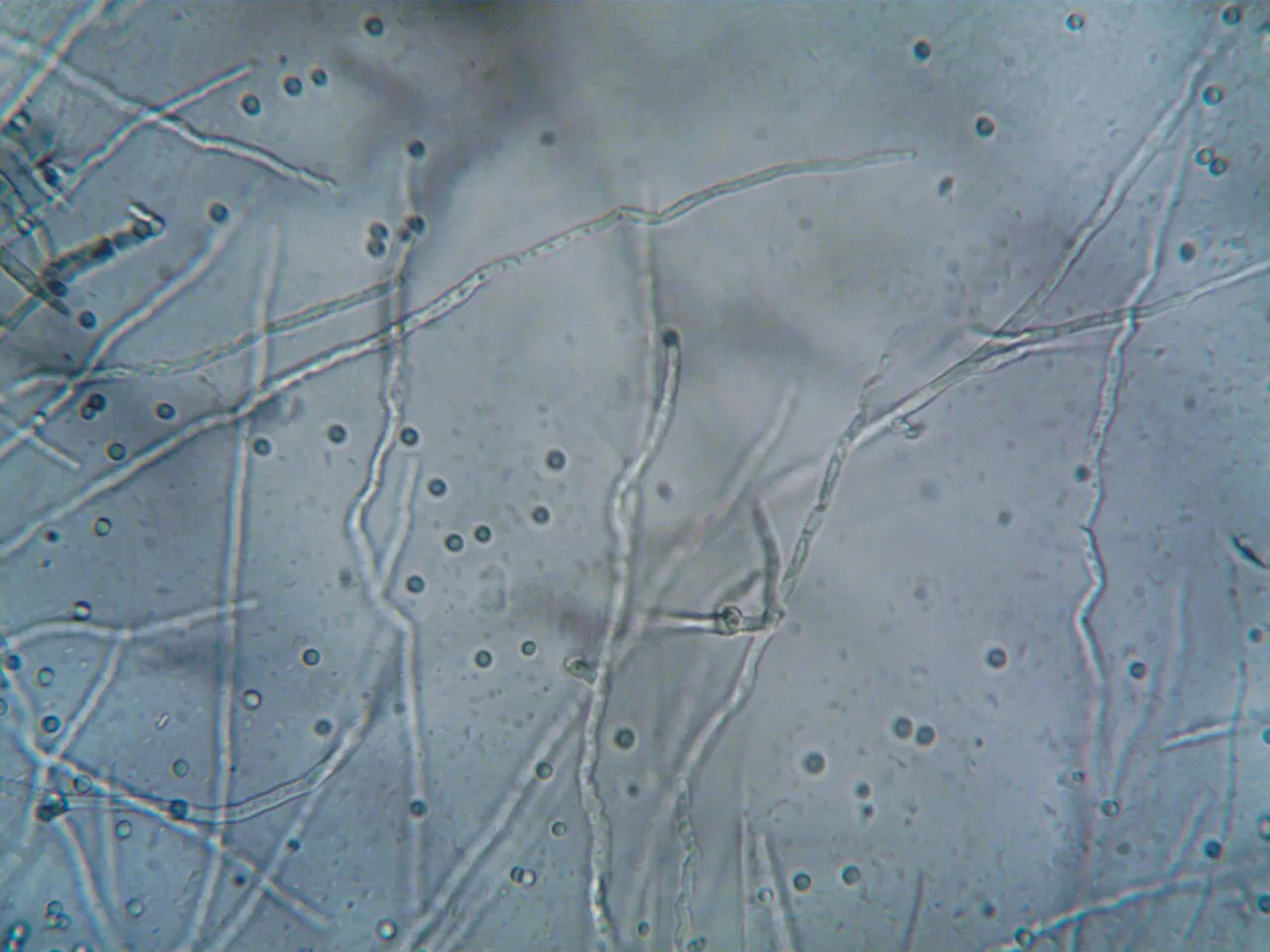
Residential Mold Testing in Meridian is a diagnostic service that determines whether mold is growing in your home, what species it is, and how concentrated the spores are. We start with a visual assessment of the areas you're worried about, then use a moisture meter and thermal imaging camera to trace hidden water. Air samples are collected with an air sampling pump and spore trap cassette, while visible growth gets surface sampling swabs or tape lift kits. Samples go to an accredited lab, and results come back with species identification and spore counts per cubic meter.
Meridian homes deal with a specific set of mold drivers. Winter inversions trap humidity, spring snowmelt and rain push water against foundations, and summer irrigation keeps crawl spaces damp. Add the fact that many houses here were built during the 2000s boom with tight envelopes and vapor barriers that can trap moisture, and you get ideal conditions for black mold growth, attic mold, and crawl space mold. If you've noticed musty odors or had water damage mold after a supply line leak, a residential mold inspection Meridian Idaho homeowners rely on gives you lab evidence instead of guesswork.
We find the moisture, sample the air, and let the lab tell you what's growing.
Every job follows the same sequence: find moisture, sample the air and surfaces, send to the lab, and explain the results in plain language. Here's what you experience.
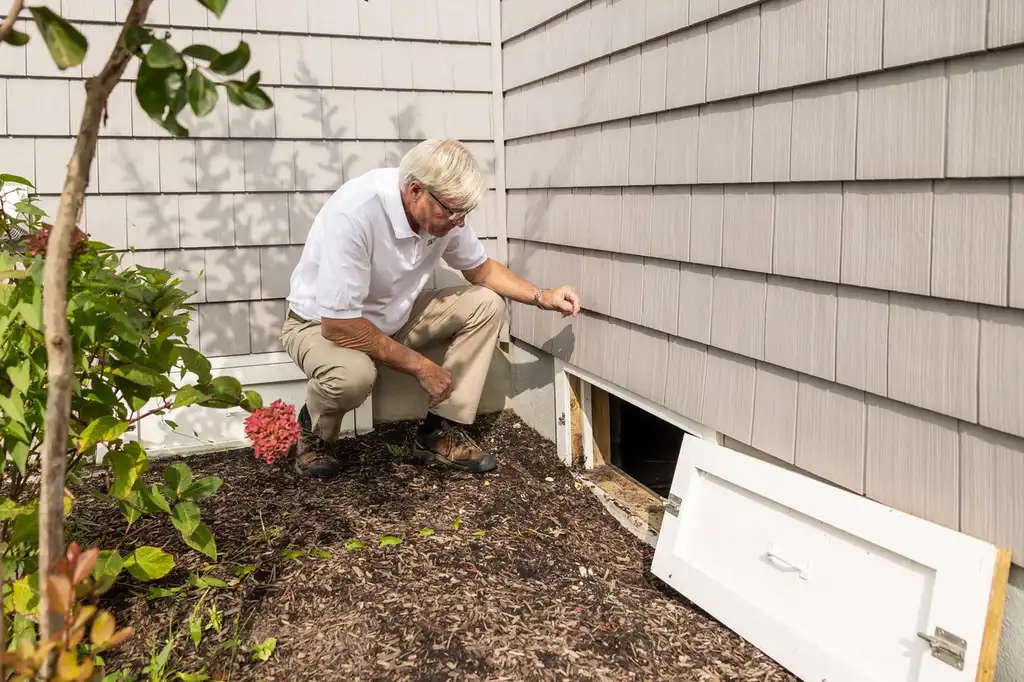
You call (208) 823 1178 or book online. We ask what you've seen or smelled, whether there's been a leak or flood, and how old the house is. That conversation determines how many samples we'll need and whether same-day residential mold testing Meridian scheduling is possible. Most calls get a same-day or next-day appointment.
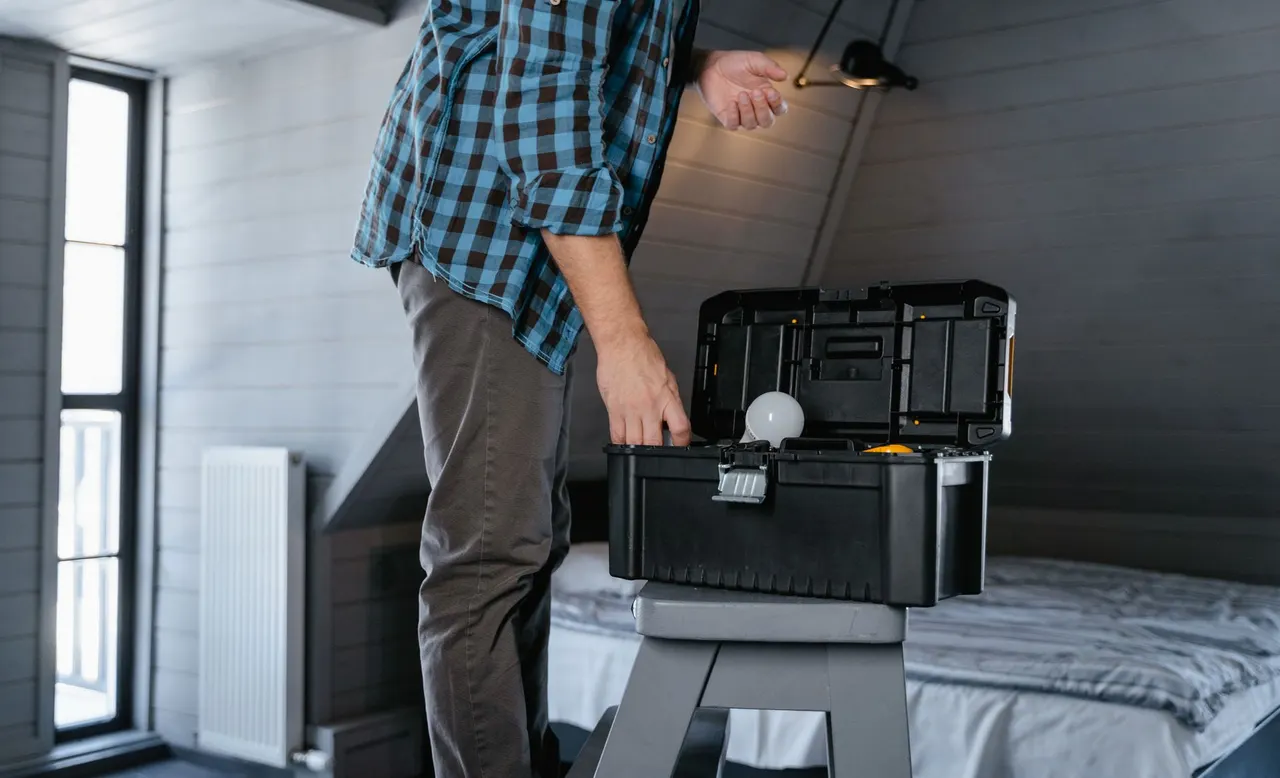
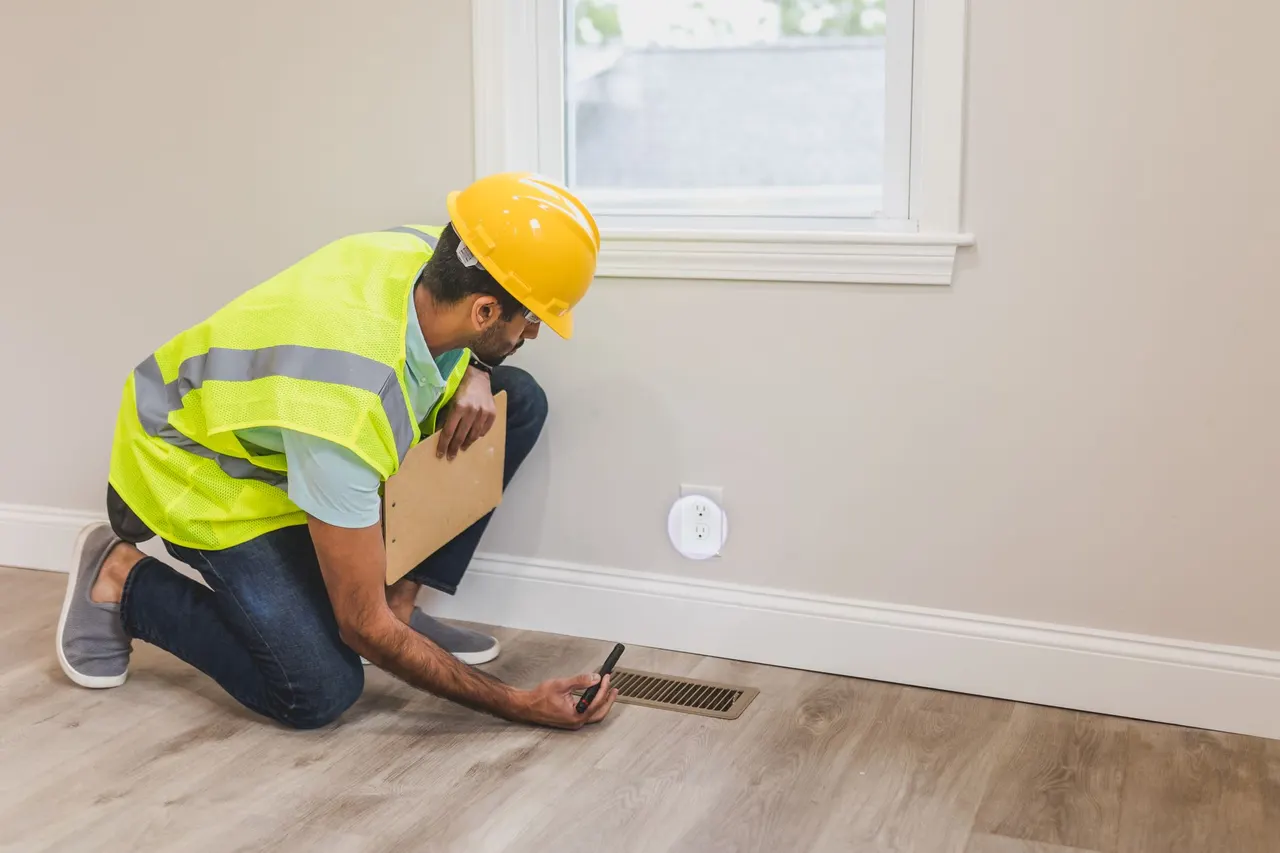
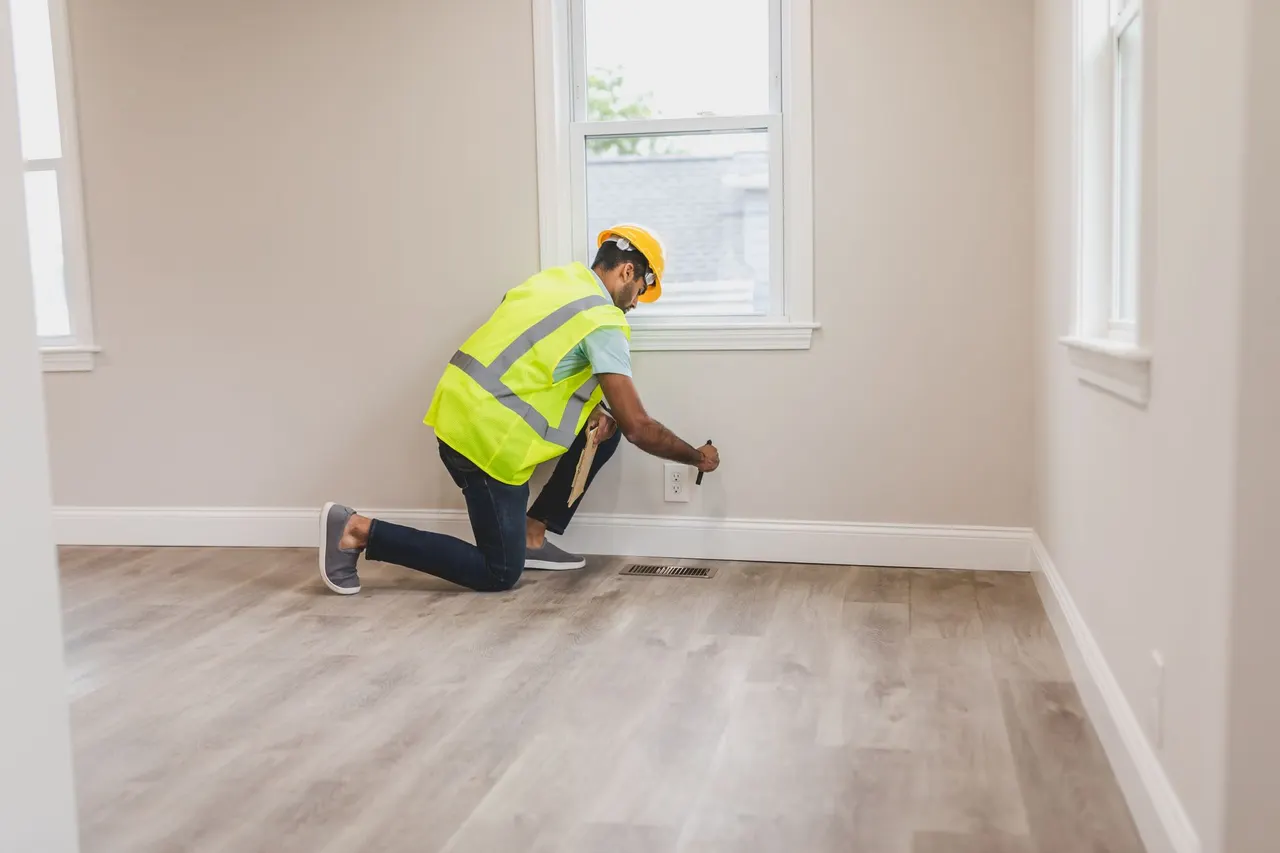
A technician walks the home with you, focusing on the areas you're concerned about plus the usual suspects: crawl space, attic, basement, bathrooms, kitchen, and HVAC closet. We use a Protimeter moisture meter and thermal imaging camera to find temperature and moisture anomalies behind finished surfaces. This takes 30 to 60 minutes depending on home size.
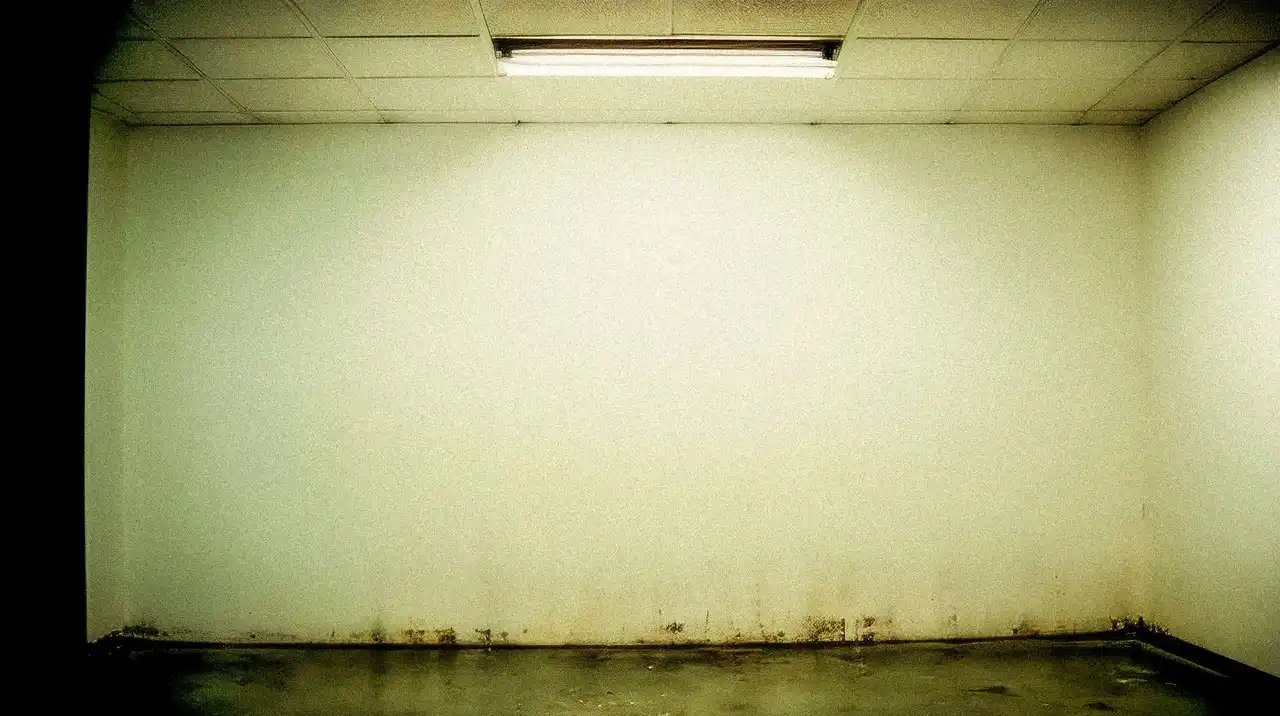
We set up an air sampling pump with a Zefon Air-O-Cell spore trap cassette to pull a calibrated volume of air, usually 75 liters over five minutes. Visible growth gets a surface sampling swab or tape lift kit. If we find a suspect wall cavity, a boroscope lets us look inside without cutting a large opening. Samples go into sealed transport containers with chain of custody forms.
Samples ship to an accredited lab, typically LabCor or an equivalent AIHA-accredited facility. Turnaround is usually two to three business days. The lab identifies mold genera, counts spores per cubic meter, and reports both raw numbers and comparisons to outdoor control samples. You get the full report by email.
We call you when the report lands and walk through what it means. If mold is present, we explain the moisture source, the affected area, and what remediation would involve. If levels are normal, we tell you that too and suggest humidity control targets. You keep the report for insurance, real estate, or contractor bids.
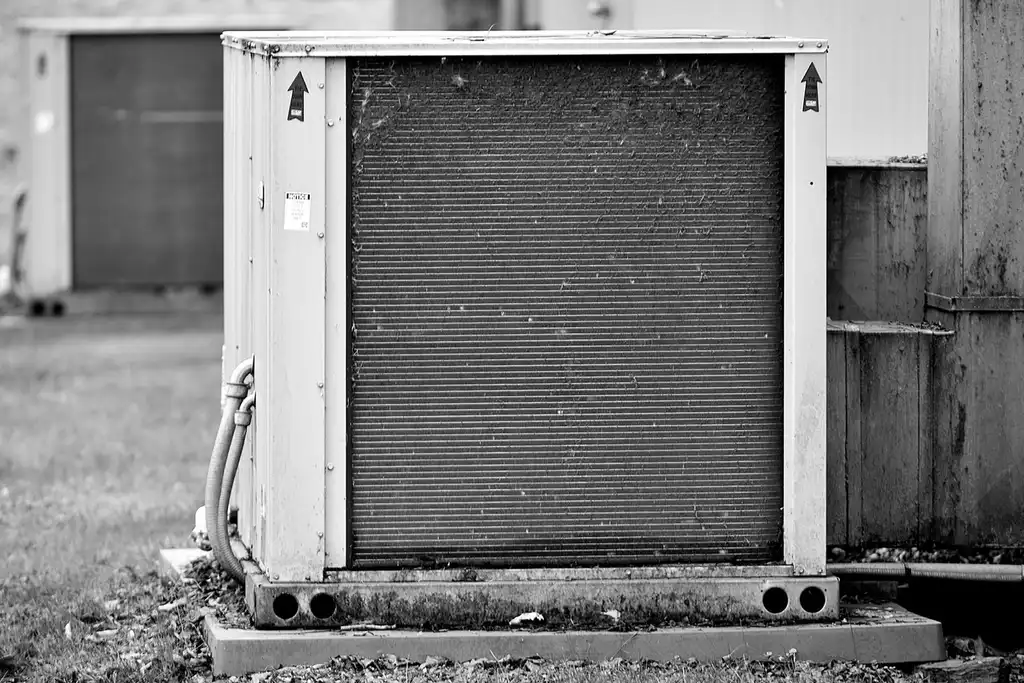
Collects airborne mold spores onto a slide for lab analysis. We pair it with a calibrated air sampling pump to pull a known volume of air, usually 75 liters over five minutes. This is the standard method for quantifying indoor spore levels.
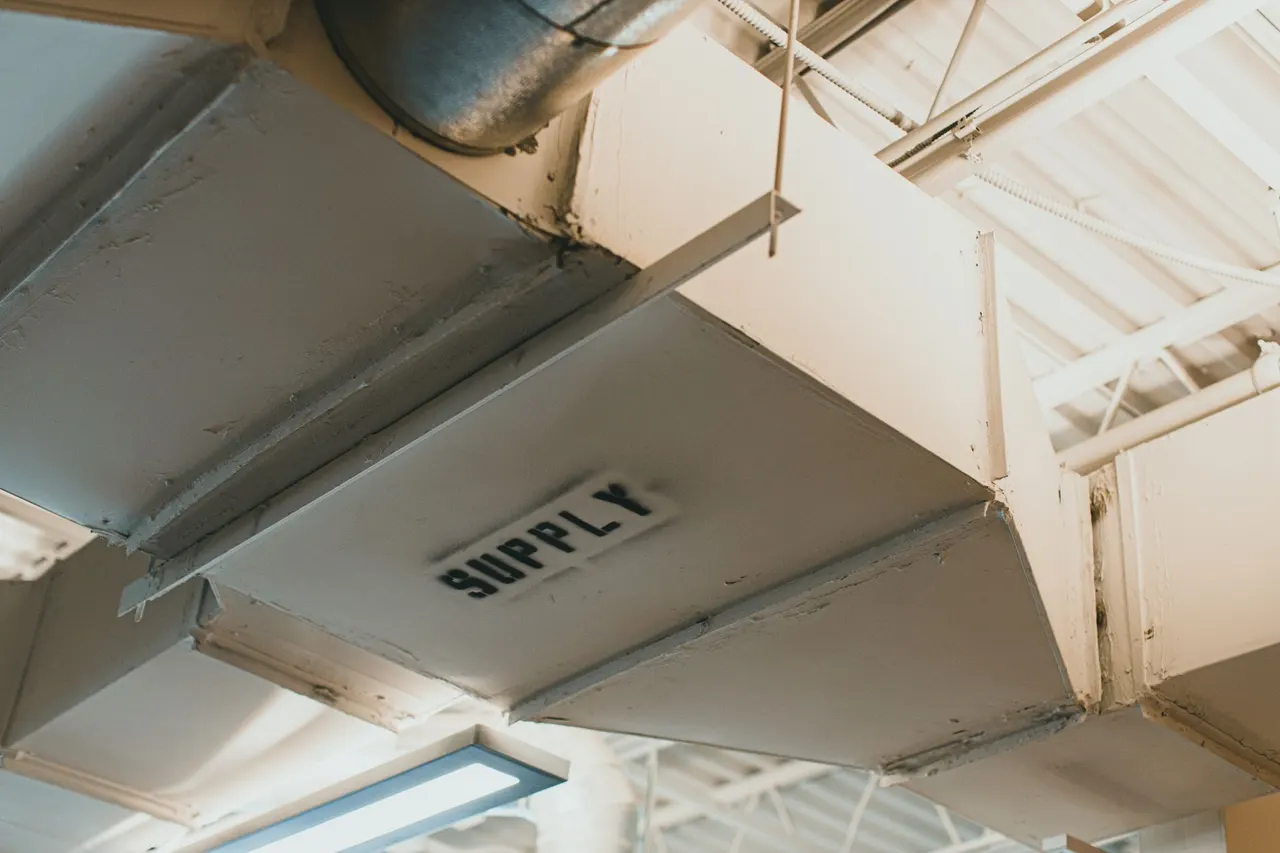
Reveals temperature differences caused by hidden moisture behind walls, ceilings, and floors. We use thermal scans to locate suspect areas before sampling. This non-invasive method finds problems without cutting into finished surfaces.
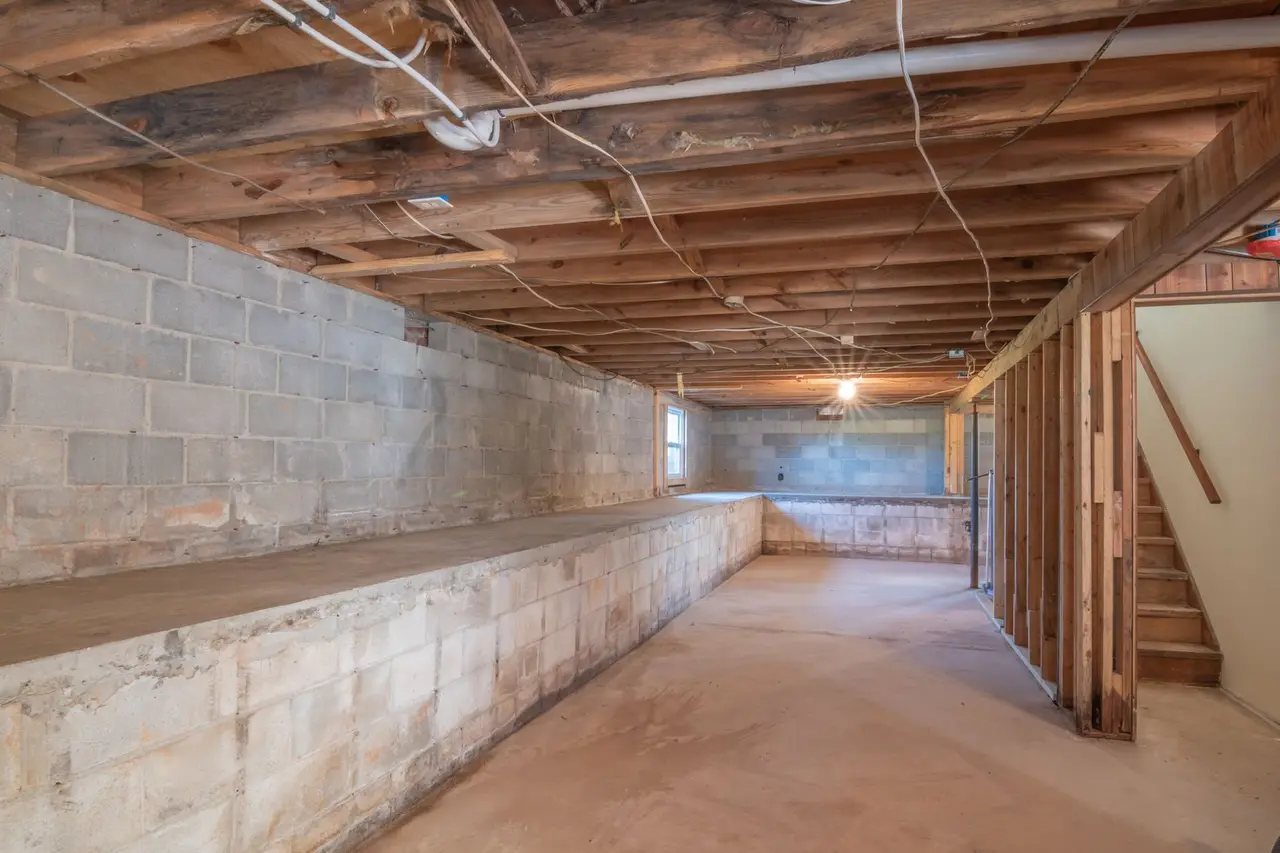
Measures moisture content in building materials like drywall, wood, and concrete. We use it to confirm whether a suspect area is actually wet and to map the extent of moisture intrusion. Readings help identify the source of water feeding mold growth.

A flexible camera that lets us look inside wall cavities, ductwork, and crawl spaces without cutting large openings. We use it to confirm hidden mold growth and document conditions before sampling. This keeps inspection minimally invasive.

Collect direct samples from visible growth on walls, ceilings, or framing. Swabs work well on irregular surfaces, while tape lifts preserve the structure of mold colonies. Both go to an accredited lab for species identification.
Measures relative humidity in different areas of your home. High humidity is the most common mold driver in Meridian, so we use hygrometer readings to identify areas where levels stay above 60% and recommend ventilation or dehumidification targets.

We follow IICRC protocols for mold inspection, moisture investigation, and remediation clearance. This includes documenting conditions, collecting samples in a defensible manner, and producing reports that meet industry standards. It matters when your results need to hold up for insurance, real estate, or legal purposes.

Our technicians hold CIEC and CMR credentials through the ACAC, which sets standards for indoor environmental consulting and mold remediation. We apply those protocols to every residential mold testing job, from initial inspection through final report. This ensures consistency and defensibility.
We test affected areas within 24 to 48 hours to catch mold before it spreads. Moisture meters and thermal imaging confirm whether hidden water remains in wall cavities or ceilings. Air and surface samples document any growth. You get lab results in two to three days and a clear scope for drying or remediation. Early testing prevents a small leak from becoming a major mold problem.
We schedule testing during the inspection contingency period and prioritize real estate deadlines. Samples go to an accredited lab with rush analysis available. Your report satisfies lenders, inspectors, and both parties. The transaction moves forward with lab-backed documentation instead of uncertainty. Buyers and sellers know exactly what's present and what it will take to resolve.
We collect indoor and outdoor air samples to compare spore levels. If indoor counts are elevated, we identify the likely source, whether it's HVAC mold, a hidden wall cavity, or crawl space growth. Surface sampling confirms visible growth. You know whether indoor air is the problem and where it's coming from. If mold is present, you have documentation for remediation. If not, we help you look at other causes.
We test affected areas for mold and moisture after remediation. Air and surface samples compare indoor spore counts to outdoor baseline. Your report documents whether the space is safe to reoccupy. You get documented evidence that remediation worked, which is often required for insurance claims and peace of mind. If levels are still elevated, we identify what was missed.
We document conditions, collect samples, and provide a report that clarifies whether mold is present and what's causing it. Testing resolves disputes with lab data instead of opinions. Available for single-family rentals and multi-family properties. Landlords and tenants get an objective answer. If mold is present, you have a defined scope for remediation. If not, you have documentation that the complaint was investigated.
Meridian's climate creates a specific set of mold risks. Winter inversions trap humidity near the ground, spring snowmelt and rain push water against foundations, and summer irrigation keeps crawl spaces damp. Many homes here were built during the 2000s boom with tight envelopes and vapor barriers that can trap moisture if they're not detailed correctly. That combination means we see a lot of crawl space mold, attic mold from bathroom exhaust venting into the attic, and wall cavity mold after slow supply line leaks. When you schedule residential mold testing in Southwest Meridian ID, we adjust our inspection approach based on the home's age, construction type, and irrigation exposure. We also test for high indoor humidity, which is the most common mold driver in Ada County. If you've had water damage mold or flood mold, we prioritize those jobs and can often schedule same-day residential mold testing Meridian appointments.
A homeowner in Southeast Meridian noticed musty odors in the living room after spring snowmelt. The crawl space had no vapor barrier, and joists were damp. They couldn't tell whether mold was growing or just a smell.
We collected air samples from the crawl space and living area, plus surface samples from joists. Lab results confirmed Cladosporium and Penicillium growth with elevated spore counts. The report documented moisture readings and a defined remediation area. Spore counts dropped to normal after remediation and vapor barrier installation.
Keep crawl space humidity below 60% with a dehumidifier or improved ventilation. Check vapor barriers annually and after heavy rain. Re-test if musty odors return.
A Paramount homeowner found a small water stain on the ceiling below a bathroom. The leak had been slow for months. They worried mold was growing behind the drywall but didn't want to tear it out without evidence.
We used thermal imaging to locate the wet zone, then a boroscope to look inside the cavity. Surface sampling confirmed Aspergillus growth. The report gave the homeowner a defined area for remediation. After repair and clearance testing, spore counts were normal.
Fix plumbing leaks promptly and monitor for new stains. Keep bathroom exhaust fans running during showers. Re-test if you notice musty odors or new discoloration.
A Tuscany homeowner noticed dark staining on attic sheathing during a pre-sale inspection. The buyer's agent requested mold testing. The attic had inadequate ventilation and bathroom exhaust venting into the space.
We collected air and surface samples from the attic and living area. Lab results confirmed Stachybotrys and Cladosporium growth. The report documented the affected area and moisture source. After remediation and ventilation improvements, clearance testing showed normal spore levels.
Ensure bathroom exhaust vents to the exterior, not the attic. Check attic ventilation annually. Re-test after any roof repair or ventilation changes.
Mold testing answers the questions that visual inspection can't: is it mold, what species, how bad, and what's causing it. Here are the most common problems we solve for Meridian homeowners.
We use thermal imaging and moisture meters to find hidden water, then collect air samples from suspect areas. Lab analysis identifies the species and spore count, confirming whether the odor source is mold and where it's coming from. Persistent musty odors usually mean hidden mold growth behind walls, under floors, or inside HVAC ductwork. Without testing, you can't tell whether it's a minor issue or a serious contamination problem.
We test affected areas for mold and measure moisture in surrounding materials. Early testing prevents a small leak from becoming a whole-room remediation. Your report documents conditions for insurance if needed. Mold can start growing within 24 to 48 hours after a leak or flood. If you dry the visible water but miss moisture inside wall cavities or under flooring, mold continues to grow out of sight.
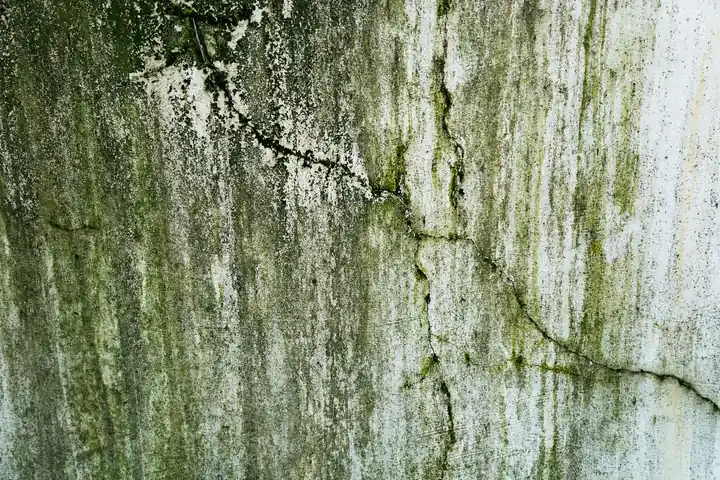
We prioritize real estate deadlines and can rush lab analysis when closing dates are tight. Your report includes species identification, spore counts, and moisture findings that satisfy lenders, inspectors, and both parties. Buyers and sellers need lab-backed documentation when mold is suspected. Without testing, negotiations stall and deals fall apart over uncertainty about what's actually present.
Airborne mold spore testing compares indoor samples to an outdoor baseline. If indoor levels are elevated, we identify the likely source and recommend next steps. If they're normal, we tell you that too. If your family has unexplained allergy symptoms, headaches, or respiratory irritation that improve when you're away, indoor air quality may be the cause. Without testing, you're guessing.
We inspect joists, insulation, and vapor barriers, then collect air and surface samples. Results tell you whether crawl space or attic mold is affecting indoor air quality and what moisture control steps will stop it. Crawl spaces and attics in Meridian stay damp from irrigation, snowmelt, and poor ventilation. Mold growth in these spaces can spread spores into living areas through the stack effect.
We don't guess based on color. Air-O-Cell spore trap cassettes and surface sampling swabs go to a accredited lab, and your report names the genus, spore count, and whether levels are elevated compared to outdoor baseline. That matters when you're dealing with toxic mold contamination concerns or need documentation for a real estate transaction.
Mold needs water. A Delmhorst moisture meter and FLIR thermal imaging camera let us read moisture behind walls, under floors, and inside ceiling cavities without tearing anything out. We map the wet zone so you know exactly where the problem starts. That's how you fix the cause instead of just wiping the surface.
If remediation is needed, your report gives contractors a defined work area and a baseline for post-remediation mold clearance testing. Without lab data, remediation can drag on with no way to prove the job is done. With it, you get a before-and-after comparison that shows spore counts dropped to normal background levels.
If your family has unexplained allergy symptoms, headaches, or respiratory irritation that ease up when you're away from home, airborne mold spore testing tells you whether indoor air is the problem. We compare indoor samples to an outdoor control, which is the standard method for determining whether your HVAC system or a hidden wall cavity is contributing spores.
Clear records you can keep and share.
Species, spore counts, outdoor comparison
Wet zones and likely water source
Plain-language findings and next steps
Mold testing is not the same as mold remediation. Testing tells you what's there and where it's coming from. Remediation is the cleanup. We do testing only, which means our report is unbiased.
Testing identifies mold and moisture. Remediation removes it. We don't sell remediation, so our findings are independent. You choose your own contractor.
Air samples measure airborne spores and compare indoor levels to outdoor. Surface samples confirm what's growing on a specific material. Both together give the clearest picture.
Mold needs water. Testing always includes moisture investigation. If you fix the mold but not the moisture, it comes back. We map the water source so you can stop it.
Outside these areas? Call and we will let you know if we can help. (208) 823 1178
Still wondering? (208) 823 1178

Most residential mold testing in Meridian runs $300 to $650 depending on how many samples we collect and whether we're testing air, surfaces, or both. A basic air quality test with one indoor and one outdoor sample starts around $300. Adding surface sampling, crawl space inspection, or multiple rooms pushes the total higher. You get the exact price before we schedule, and there are no add-ons after the fact.
We inspect the home visually, then use a moisture meter and thermal imaging camera to find hidden water. Air samples are collected with a calibrated pump and spore trap cassette, usually 75 liters over five minutes. Visible growth gets a surface swab or tape lift. Samples go to an accredited lab, and you get a report with species, spore counts, and moisture findings in two to three business days.
Meridian Mold Testing has provided residential mold testing in Meridian since 2010. We're a testing-only company, which means we don't sell remediation and have no financial incentive to find mold where there isn't any. Our technicians hold IICRC and ACAC credentials and follow EPA and InterNACHI protocols for residential sampling. Call (208) 823 1178 to schedule.
Yes, same-day residential mold testing Meridian appointments are often available, especially for real estate deadlines, post-flood situations, or when you've just discovered a leak. Call before noon and we can usually get a technician out the same afternoon. If same-day isn't possible, we schedule next-day and prioritize your samples at the lab when timing is tight.
If you've seen discoloration, smelled something musty, or had recent water damage, testing gives you answers. Call (208) 823 1178 and we'll schedule a visit, usually same-day or next-day. You get lab-backed results in two to three business days and a plain-language walkthrough of what they mean for your home.
Call us at (208) 823 1178 or email [email protected] to schedule your inspection. We answer calls Monday through Friday from 8:00 AM to 6:00 PM. If you reach us after hours, leave a message and we will call you back first thing the next morning.