Written report
Moisture readings, photos, and lab results
Sewage Backup Mold Testing in Meridian is for homeowners, landlords, and business owners who have had a sewage backup and need to know if mold is growing behind walls, under floors, or inside crawl spaces. We use moisture meters, thermal imaging cameras, and air sampling pumps to map contamination and collect lab-ready samples. If your backup happened weeks ago and you smell something musty, call us before the problem spreads.
Every sewage backup mold testing job includes a visual inspection, moisture readings, thermal imaging, and lab-analyzed samples. The exact number of samples depends on the size of the affected area and how far moisture traveled. We give you a written report with all findings and lab results.
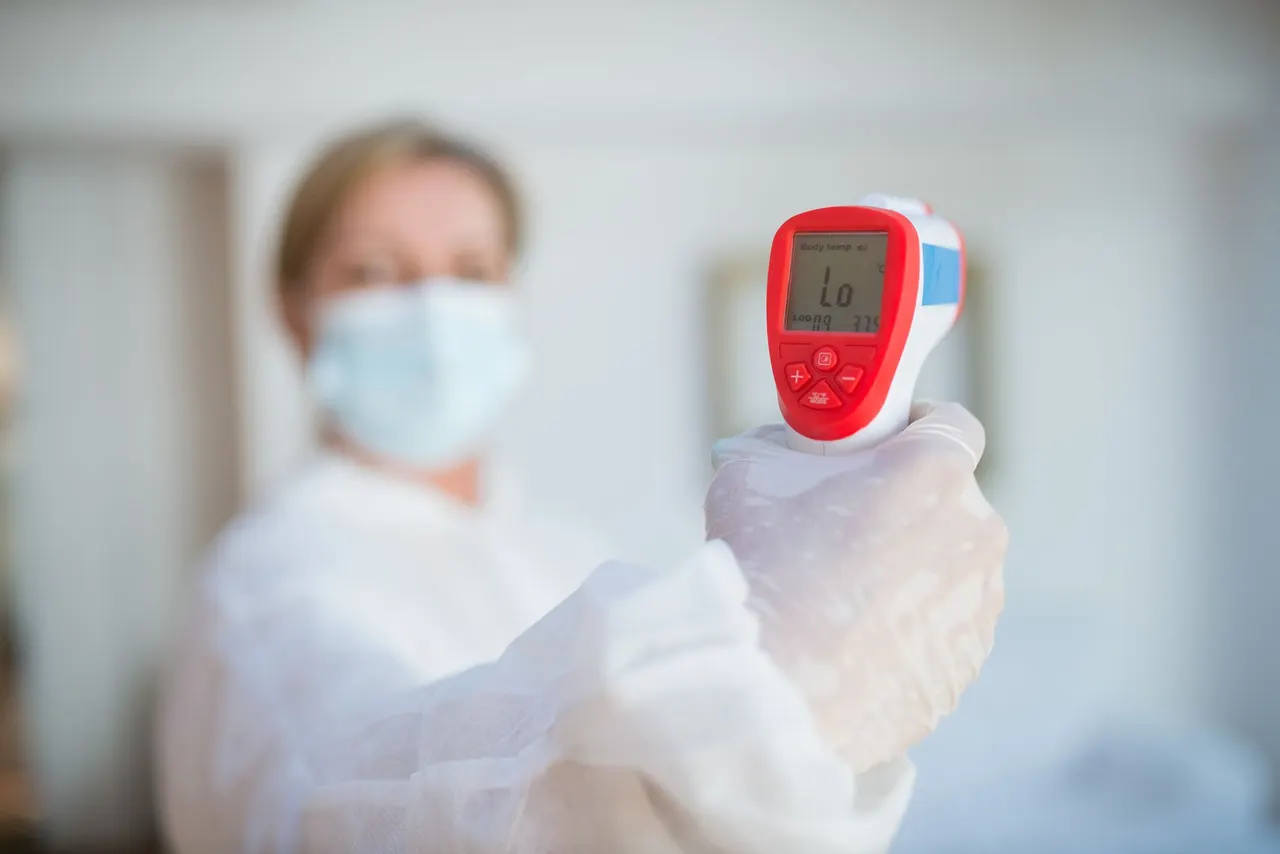
We help homeowners and tenants figure out whether a sewage backup left mold behind. Our testing focuses on the areas where backups usually cause hidden growth.
We work with property managers and business owners to document mold conditions after sewage backups. Our reports support insurance claims and remediation planning.
Sewage Backup Mold Testing in Meridian is a targeted inspection that determines whether mold has begun growing after a sewage backup. Sewage carries bacteria, viruses, and organic matter that soak into drywall, insulation, subflooring, and framing. We use moisture meters and thermal imaging cameras to find wet areas you cannot see, then collect air samples with spore trap cassettes and surface samples with swabs or tape lift slides. Every sample goes to a third-party lab with a full chain of custody form, so you get documented results, not guesses.
Local Meridian customers call us after a basement floor drain backs up during spring runoff, after a sewer line clogs in a rental property, or when a crawl space floods and nobody notices for a week. In Ada County, many homes were built before modern vapor barriers were standard, so crawl space mold and basement mold are common after any sewage event. If you are searching for sewage backup mold test near me Meridian, we can usually get a technician to your door the same day you call.
We test first, so you only remove what is actually contaminated.
Every job follows the same five steps. We schedule around your day, show up when we say we will, and walk you through what we find before we leave.
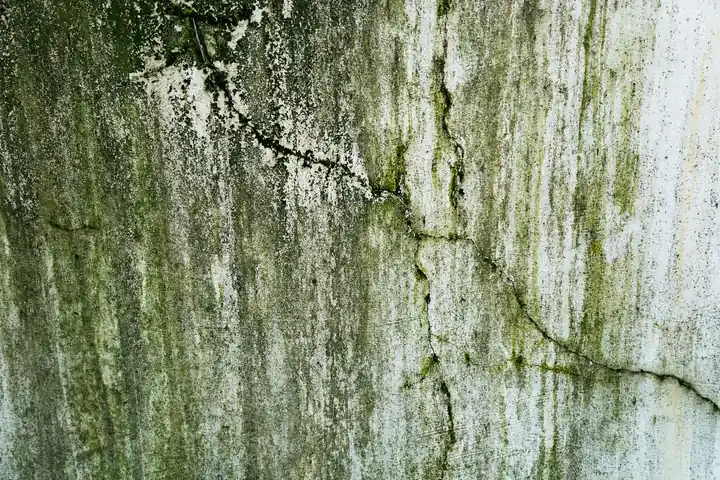
When you call, we ask when the backup happened, how far the water spread, and whether anyone in the home has health concerns. That tells us what equipment to bring. Most calls take 5 to 10 minutes, and we can often schedule same-day sewage backup mold testing Meridian appointments.
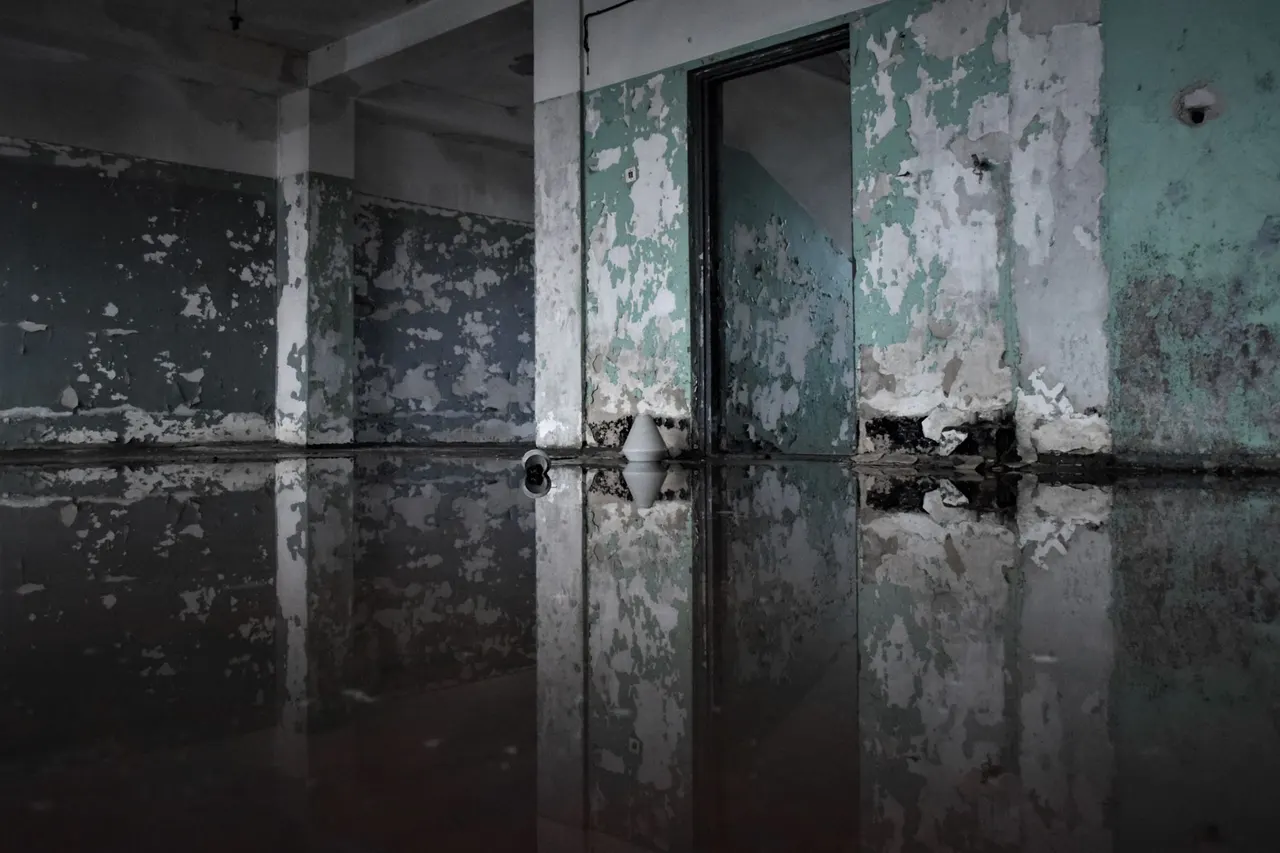
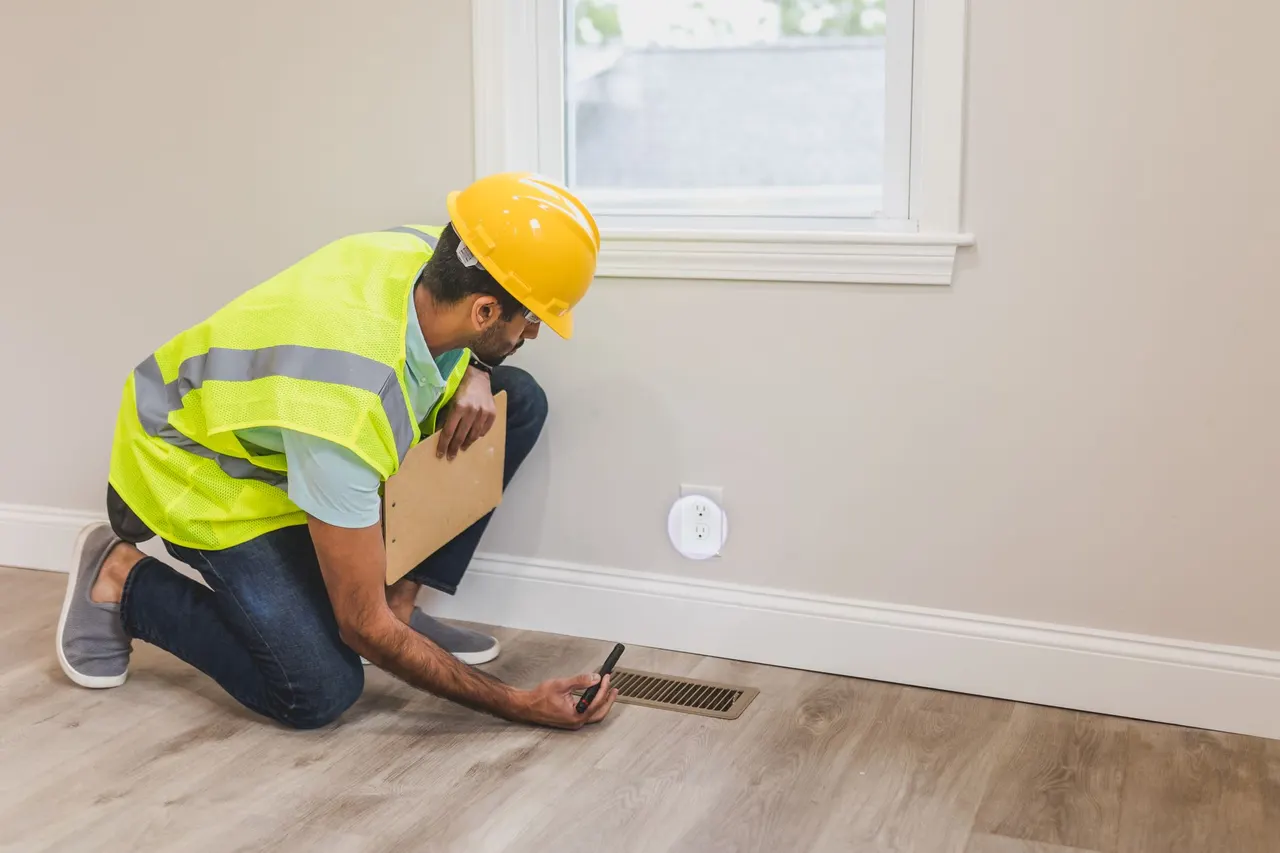
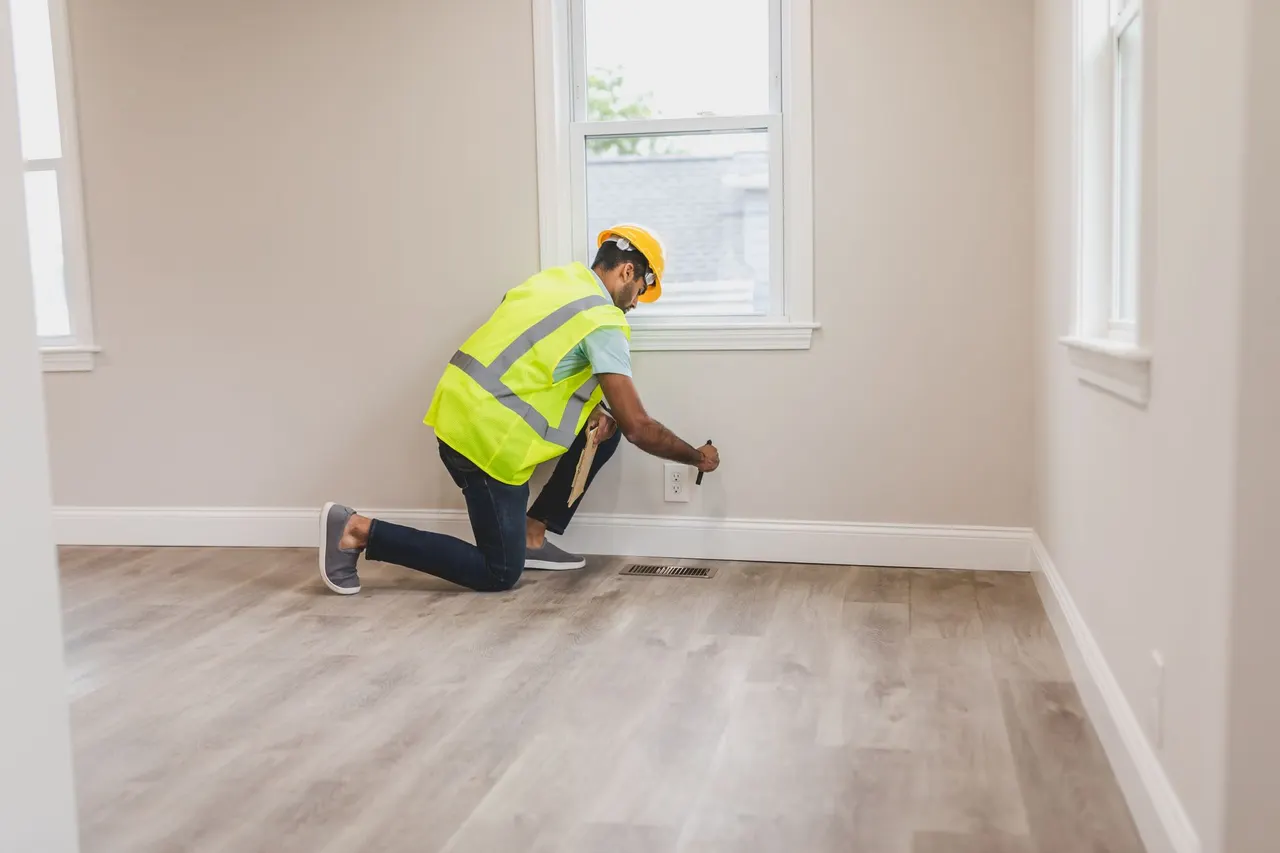
On site, we start with a visual walk-through. We check baseboards, drywall seams, floor transitions, and crawl space access points. Then we use a Delmhorst or Protimeter moisture meter and a FLIR thermal imaging camera to find wet pockets behind walls and under flooring that look dry on the surface.

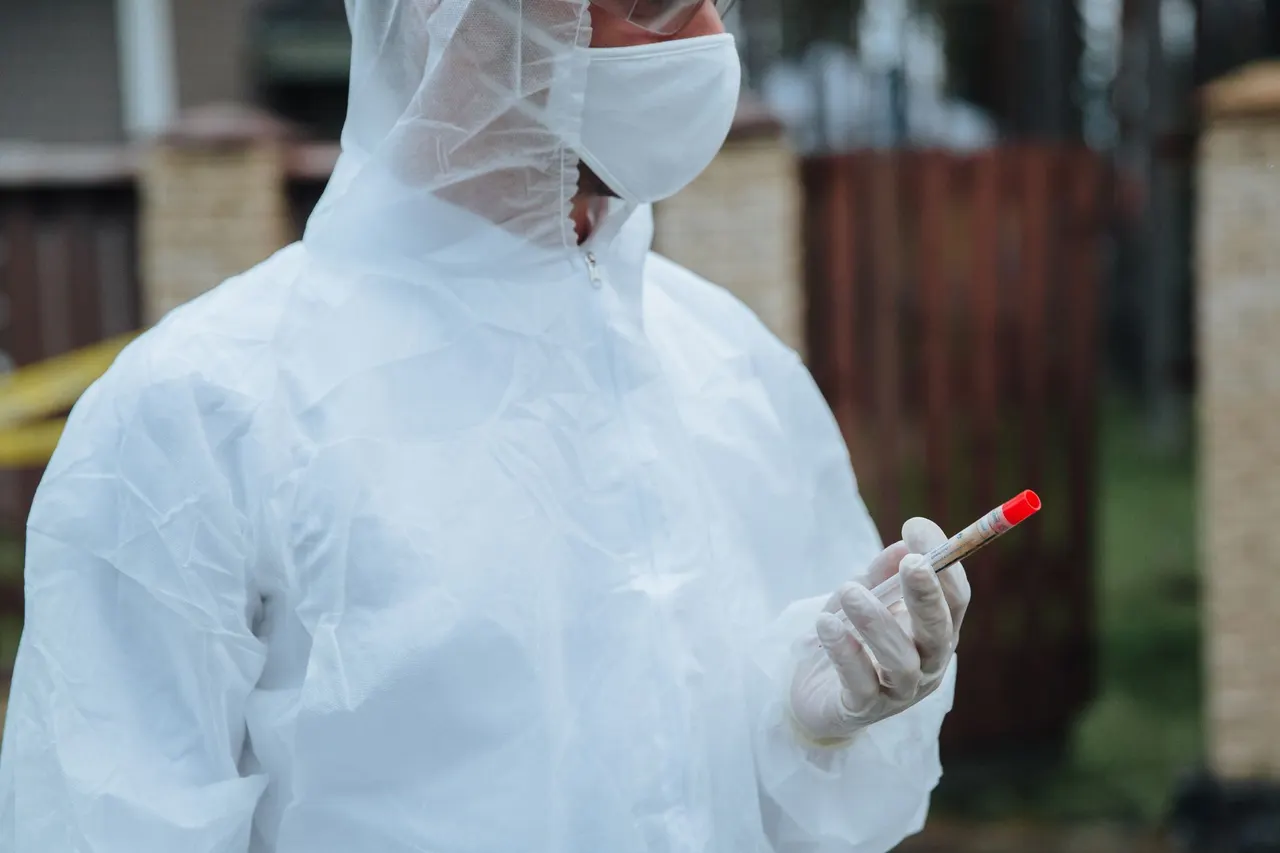
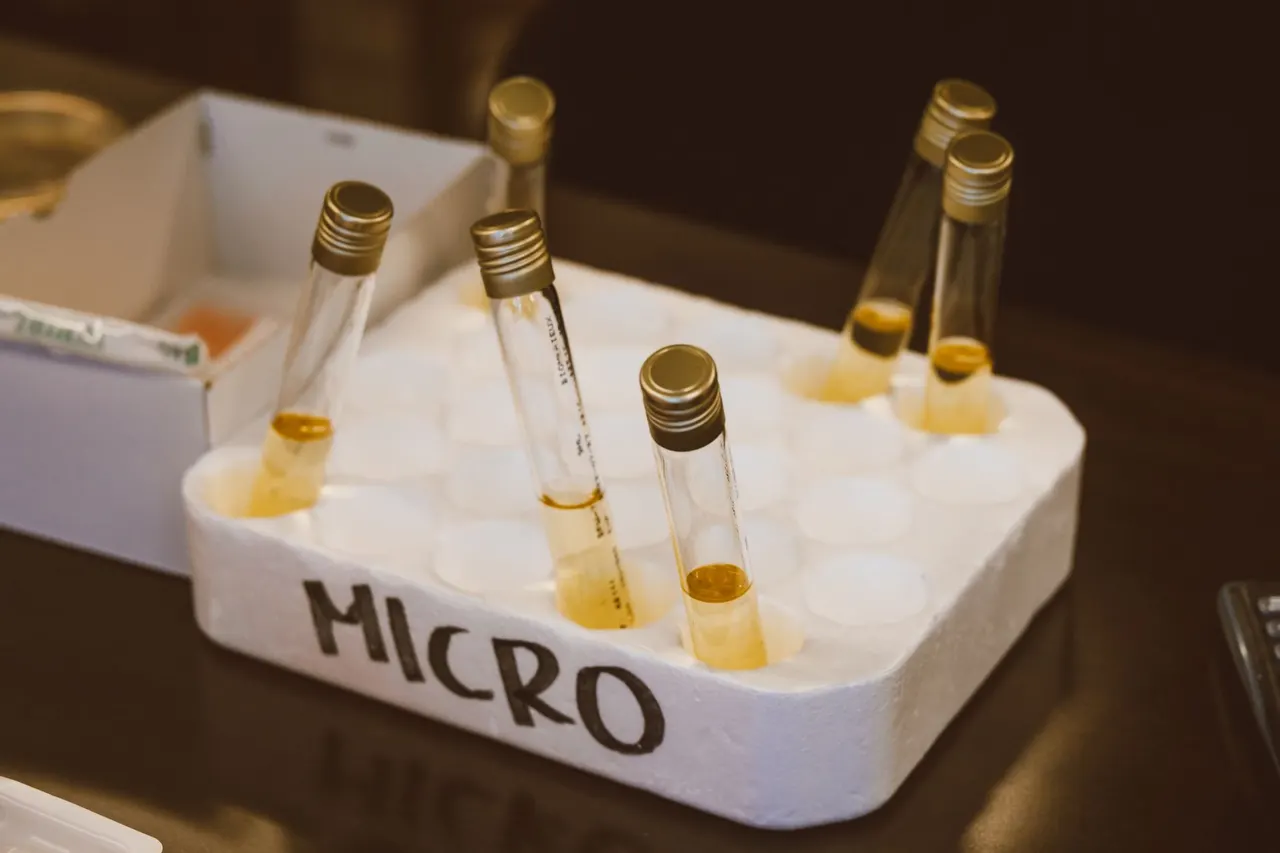
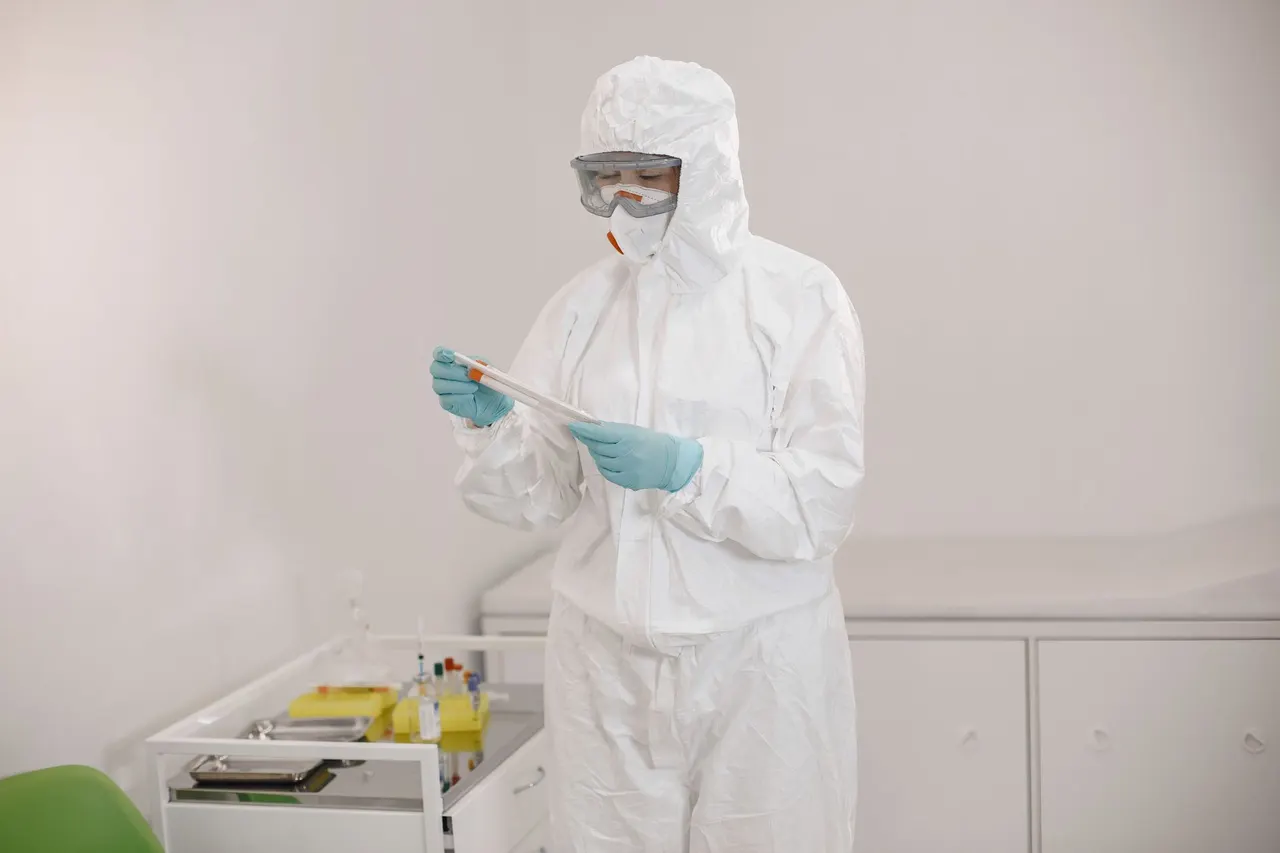
We collect air samples with an SKC air sampling pump and Air-O-Cell spore trap cassettes, plus surface samples using swabs or tape lift kits. If we suspect hidden mold behind walls, we use a boroscope to look inside the cavity. Each sample is labeled, sealed, and packed in a sample transport container.
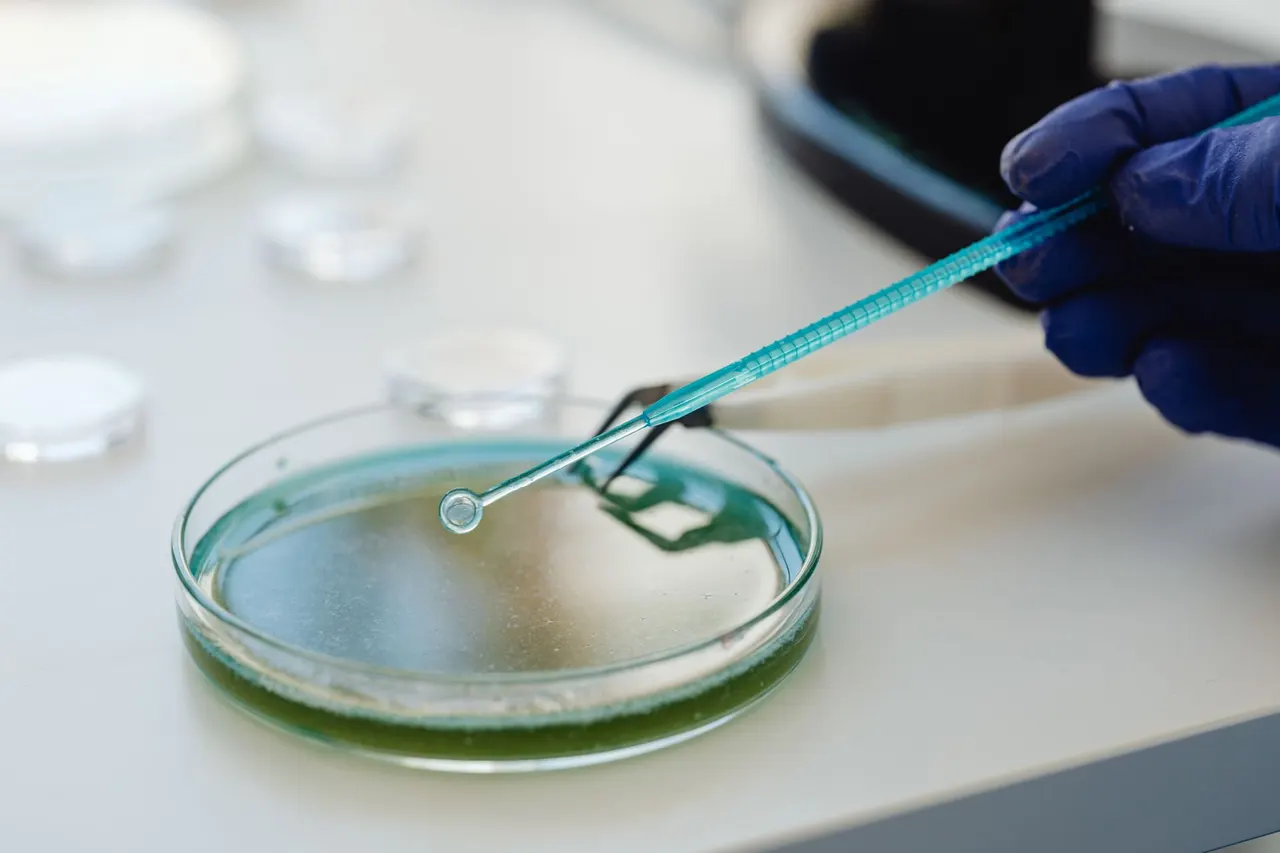
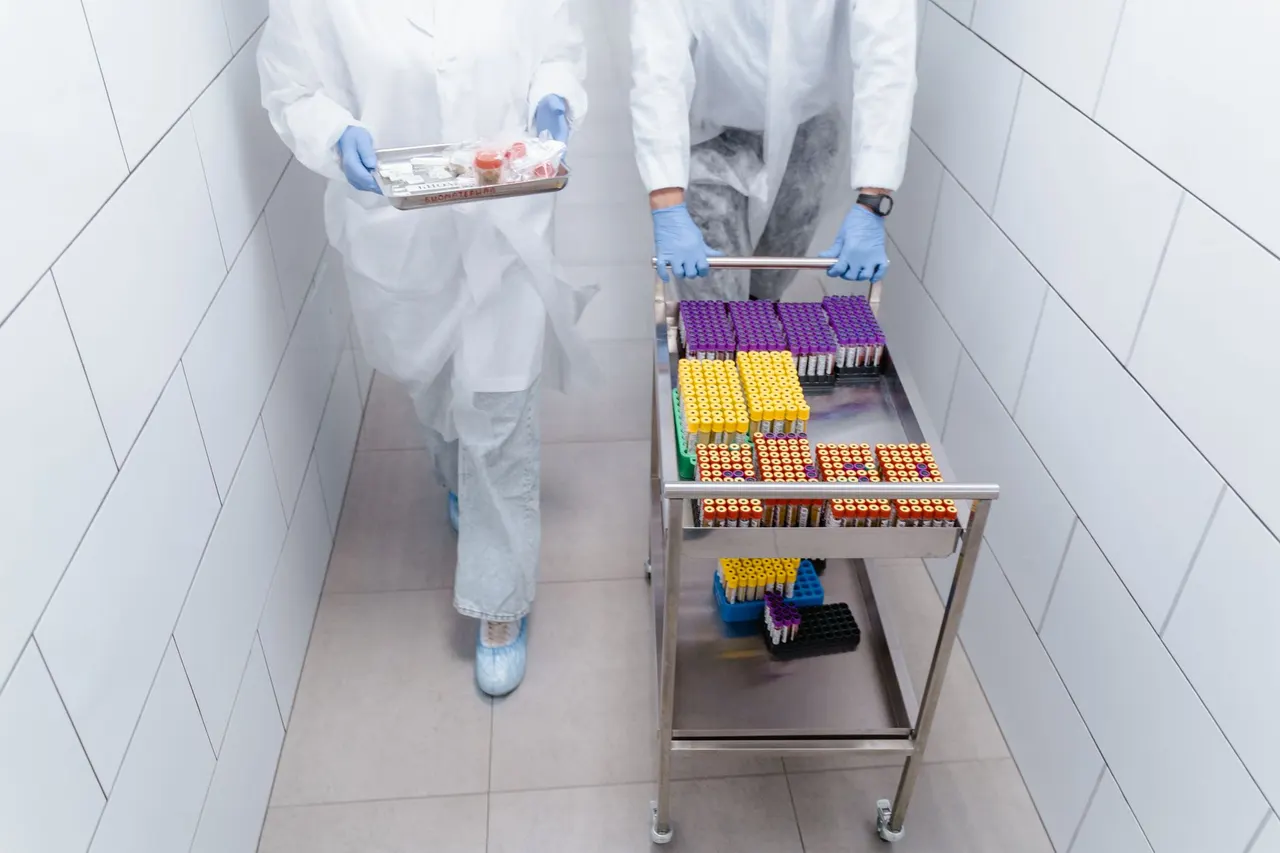
Samples go to a third-party lab with a chain of custody form. Results typically come back in 2 to 5 business days. The report lists mold types, spore counts, and whether levels are elevated compared to outdoor baseline samples we collect at the same time.

We walk you through the lab report in plain language. If mold is present, we explain where it is, how bad it is, and what remediation would involve. If levels are normal, we tell you that too. You get a written summary you can share with your insurance company or a remediation contractor.
Detects temperature differences caused by hidden moisture behind walls, under floors, and in ceilings. It helps us find wet areas that look dry on the surface.
Measures moisture content in drywall, wood, and flooring. We use it to map how far moisture traveled from the sewage backup point.
Draws air through an Air-O-Cell spore trap cassette to capture airborne mold spores for lab analysis.
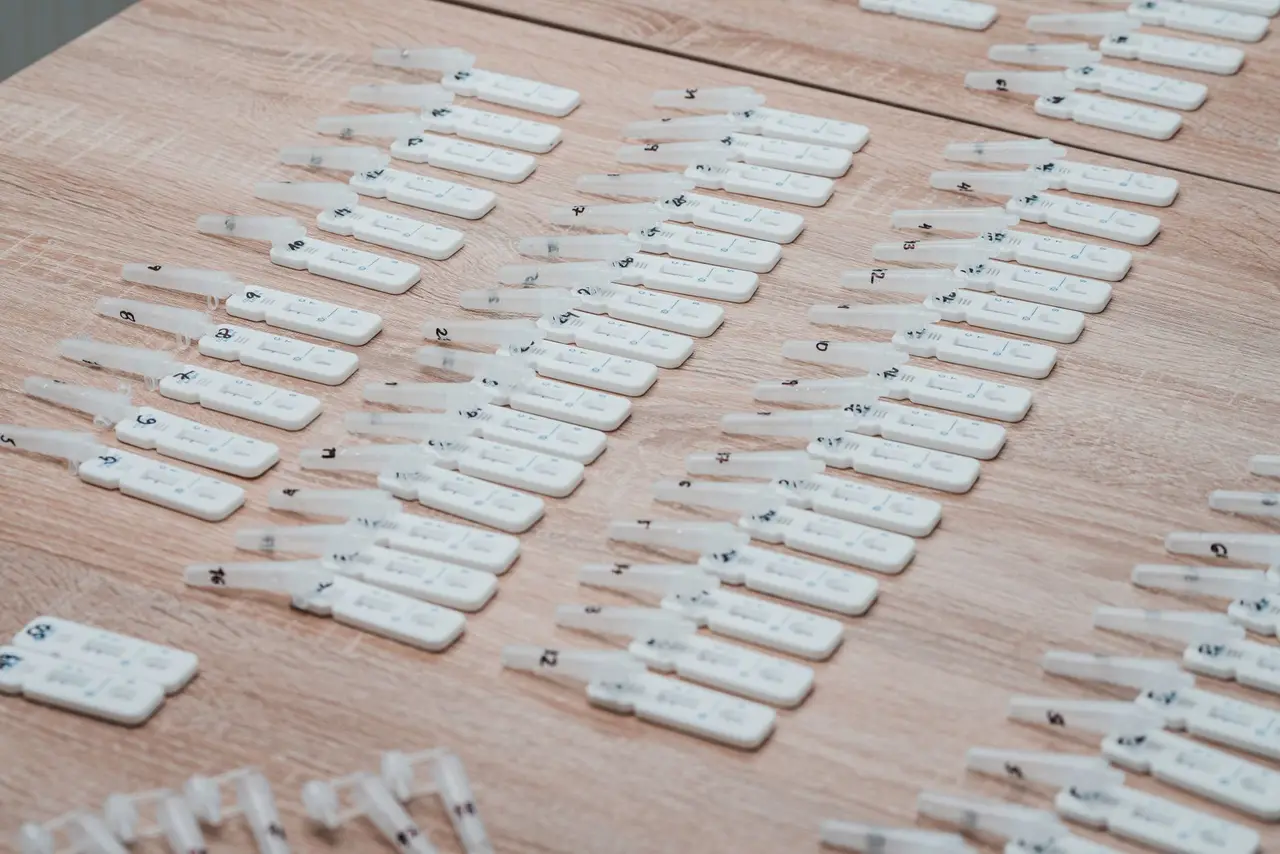
Collects airborne spores on a sticky slide inside the cassette. The lab analyzes the slide to identify mold types and counts.

A small camera on a flexible tube that lets us look inside wall cavities, crawl spaces, and ductwork without tearing anything open.
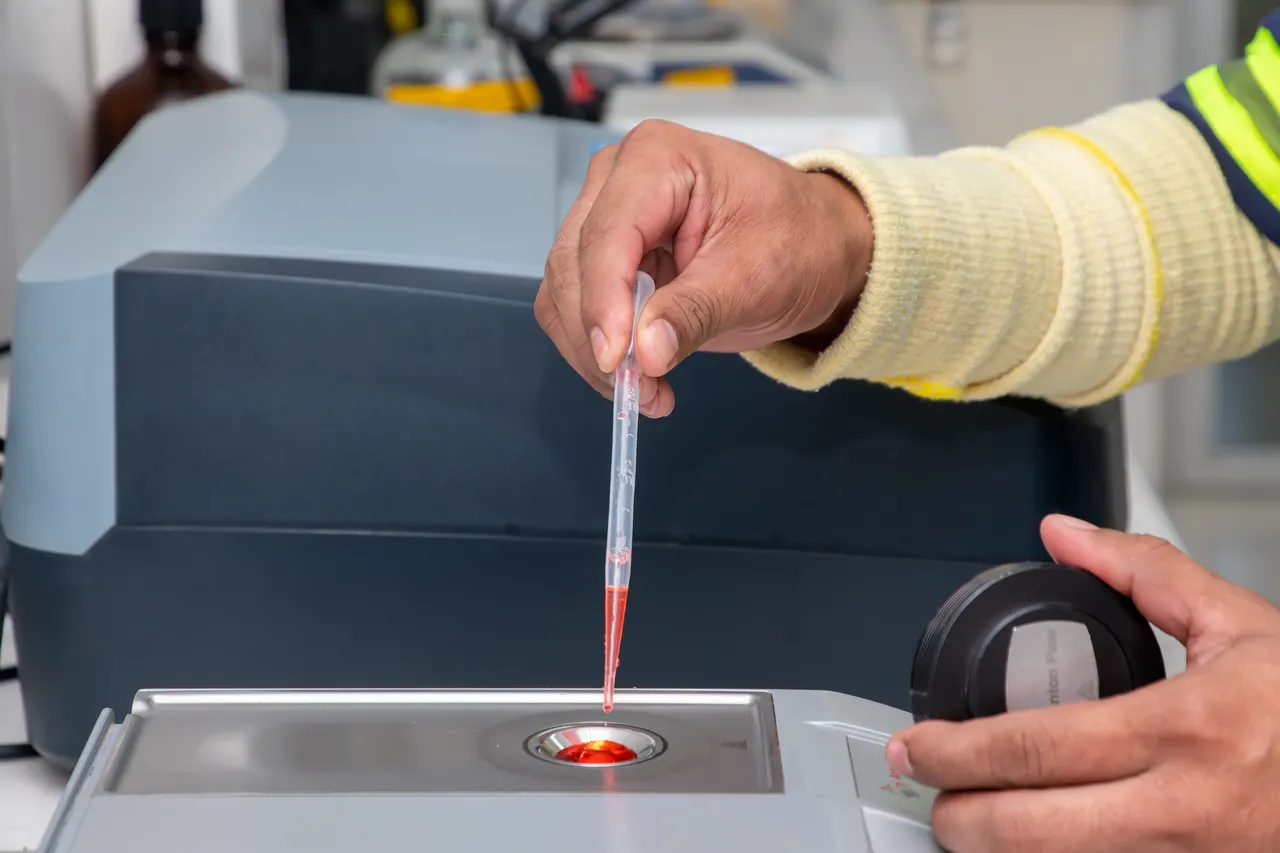
Collects mold samples from visible growth on surfaces. The lab identifies the species and confirms whether it is mold.
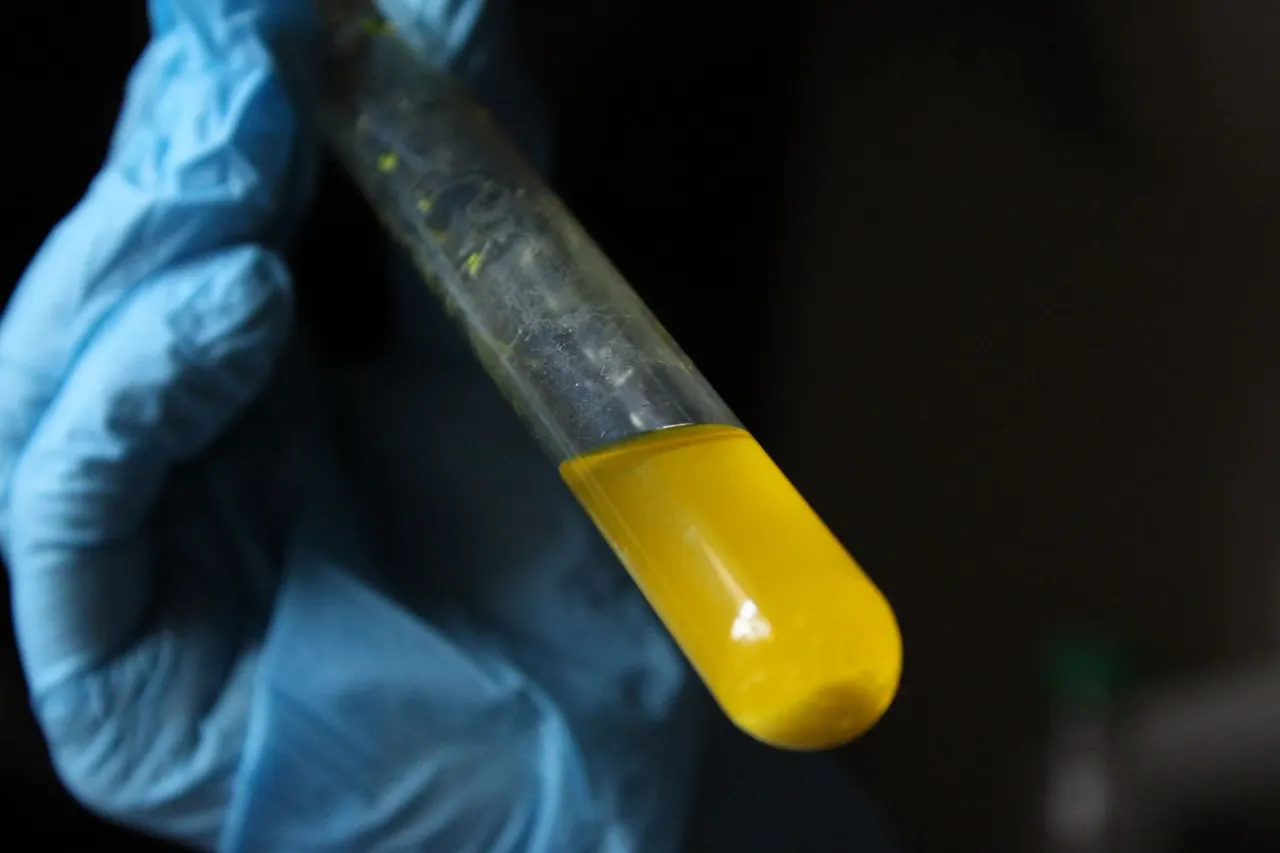
Measures relative humidity and temperature. High indoor humidity after a backup can support mold growth even in areas that did not get wet.

We follow IICRC S500 for water damage restoration and S520 for mold remediation. These standards guide how we assess moisture, collect samples, and interpret results.
We inspect the carpet, pad, and baseboards with a moisture meter and thermal camera. If the carpet was not dried within 24 hours, we collect air and surface samples to check for mold growth underneath. You know whether the carpet and pad need to be replaced or if they can be dried and saved, and you have documentation for your insurance claim.
We test the affected room and a control room, collect air samples, and check wall cavities with a boroscope. The lab report shows whether mold has grown and how far it has spread. You have written documentation to address the tenant issue and support your insurance claim, and you know what remediation is needed.
We perform a full mold inspection focused on the area of the previous backup, including air sampling and moisture mapping. We compare indoor spore levels to an outdoor baseline. You know whether the previous backup was properly cleaned up or if mold is still present, so you can negotiate repairs before closing.
We inspect the restroom, adjacent walls, and HVAC vents with a boroscope and thermal camera. We collect air samples from multiple locations to determine if spores have spread. You get a report you can share with your insurance company and your remediation contractor, and a clear plan for fixing the problem.
Meridian's climate and building stock shape how we approach sewage backup mold testing. Spring runoff and summer thunderstorms can overwhelm municipal sewer lines, causing backups in basements and crawl spaces. Many homes in Ada County were built before modern vapor barriers were standard, so crawl spaces stay humid and mold-friendly. We adjust our testing to account for these local conditions. If you are searching for sewage backup mold testing in Northwest Meridian ID, we know the neighborhoods and the common problem areas. We also offer same-day sewage backup mold testing Meridian appointments when you call before noon. Our goal is to give you clear answers fast so you can make decisions about cleanup and repairs.
A homeowner in Downtown Meridian had a sewage backup that soaked the basement carpet and baseboards. They dried the carpet with fans but did not replace the pad. Two weeks later, a musty odor developed. We found elevated moisture in the baseboards and mold growth behind them.
We collected air and surface samples. The lab report showed elevated spore counts for Aspergillus and Penicillium. The homeowner replaced the baseboards and pad, and we performed post-remediation clearance testing that came back normal.
Keep basement humidity below 50% with a dehumidifier, and check floor drains monthly for slow drainage that could indicate a coming backup.
A Northwest Meridian home had a sewage backup that flowed into the crawl space. The homeowner did not notice for several days. When we inspected, we found wet insulation and visible mold growth on floor joists. Air sampling in the living area showed elevated spores.
We documented the contamination with photos, moisture readings, and lab results. The homeowner hired a remediation contractor to remove the insulation and treat the joists. Post-remediation testing confirmed spore levels returned to normal.
Install a vapor barrier if your crawl space does not have one, and check it annually for moisture or musty odors.
A landlord in Northeast Meridian had a tenant report a sewage backup in the laundry room. The tenant cleaned the floor but did not report it for a week. The landlord called us to document the condition. We found moisture in the drywall and mold growth behind the washing machine.
We collected samples and provided a written report with lab results. The landlord used the report to file an insurance claim and to document the tenant's delayed reporting. Remediation was completed, and clearance testing passed.
Instruct tenants to report any backup immediately, and keep a moisture meter on hand to check areas after a leak.
A sewage backup leaves behind more than a wet floor. It leaves contaminated moisture that can feed mold for weeks. Here are the problems we see most often in Meridian and how we solve them.

We use a boroscope and thermal camera to find the source of the odor. Air sampling confirms whether mold spores are elevated indoors, and surface sampling identifies the species so you know what you are dealing with. A musty smell usually means mold is growing somewhere you cannot see. Ignoring it lets colonies spread through wall cavities and into living spaces.

We test the visible growth with a tape lift kit and check the wall cavity with a moisture meter and boroscope. If the cavity is wet and contaminated, we document it so your remediation contractor knows exactly what to remove. Black mold growth on baseboards often means the wall cavity behind them is contaminated. Painting over it does not fix the problem and can make it worse by trapping moisture.

We inspect crawl spaces with a boroscope and moisture meter, then collect air samples from inside the crawl space and from the living area above. This tells you whether the mold is contained or has spread. Crawl spaces are dark, humid, and often ignored. Mold there can spread to floor joists and subflooring, weakening structural wood and affecting indoor air quality.
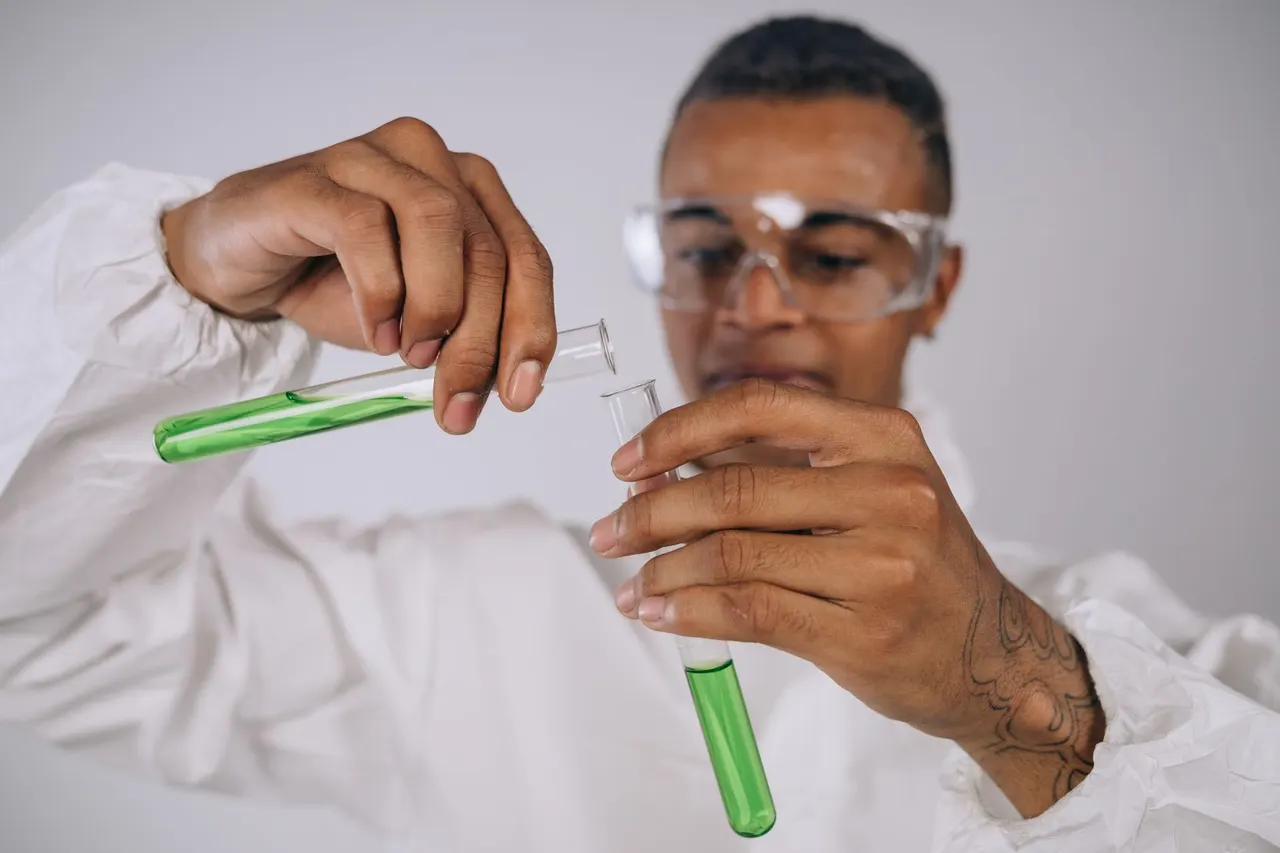
We provide a full report with moisture readings, thermal images, lab results, and a chain of custody form. This documentation gives your adjuster the proof they need to process the claim. Without lab results and moisture documentation, insurance adjusters may deny a mold claim or classify it as a pre-existing condition.
Mold can start growing within 24 to 48 hours after a sewage backup. By the time you see black mold growth on a baseboard, colonies are often already inside the wall cavity. Testing with a boroscope and moisture meter lets us find it while it is still small and cheaper to fix.
Sewage backup mold releases spores and mycotoxins into the air. If anyone in your home has allergies, asthma, or a weakened immune system, exposure can trigger breathing problems and skin irritation. Air sampling with an Air-O-Cell cassette gives you a lab report showing exactly what is in your indoor air.
Insurance adjusters want proof. A written report with lab results, moisture readings, and thermal images supports your claim. We provide a chain of custody form and sample analysis that shows whether the damage is from the sewage backup or a pre-existing condition.
Not every wet wall needs to be demolished. Testing tells you which materials are contaminated and which can be dried and saved. That can cut remediation costs by hundreds or thousands of dollars compared to a full tear-out.
Clear records you can keep and share.
Moisture readings, photos, and lab results
Species identification and spore counts
What to fix and what to leave alone
Sewage backups are not the same as clean water leaks. The contamination changes how we test and what we look for.
Sewage is classified as Category 3 water, which means it is grossly contaminated. Mold that grows after a sewage backup is more likely to include harmful species.
Mold can start growing within 24 hours. Testing sooner gives you a clearer picture of what is actually growing versus what is just wet.
We do not remove mold. We find it, identify it, and document it so you can hire the right contractor for the cleanup.

Outside these areas? Call and we will let you know if we can help. (208) 823 1178
Most residential sewage backup mold testing jobs in Meridian run $350 to $750 depending on square footage and how many samples we collect. A basic inspection with 2 to 3 air samples and 1 surface sample typically falls in the lower end. Larger homes, crawl spaces, or commercial properties with multiple rooms may run higher. We give you a flat quote before we start so there are no surprises.
Yes. Sewage backup mold is considered more hazardous than typical household mold because it grows on contaminated organic matter and can release mycotoxins and bacteria into the air. In Meridian homes with tight construction and limited ventilation, spores can concentrate quickly. If anyone in your home has asthma, allergies, or a compromised immune system, testing is worth doing sooner rather than later.
Meridian Mold Testing provides sewage backup mold inspection Meridian Idaho residents can schedule directly. We are a testing-only company, meaning we do not perform remediation. That keeps our results unbiased. We serve all of Ada County, including Downtown Meridian, Northeast Meridian, and Northwest Meridian. Call (208) 823 1178 to schedule.
You should test within 24 to 72 hours after the backup if the area was not fully dried. Mold can begin growing in as little as 24 hours when moisture and organic material are present. If the backup happened more than a week ago and you smell musty odors or see discoloration, test immediately. Same-day sewage backup mold testing Meridian appointments are available most weekdays.
If you have had a sewage backup and you are not sure whether mold is growing, do not wait. Call Meridian Mold Testing at (208) 823 1178. We offer same-day appointments, flat-rate pricing, and lab results you can trust. We serve all of Ada County.
Call us at (208) 823 1178 or email [email protected] to schedule your inspection. We answer calls Monday through Friday from 8:00 AM to 6:00 PM. If you reach us after hours, leave a message and we will call you back first thing the next morning.